Alaska: US renews five-year rule covering polar bears and walruses in oil fields
Requested by Alaska's oil and gas industry, the rule covers incidental take of polar bears and Pacific walruses through 2031. It drew more than 85,000 public comments, nearly all opposed.
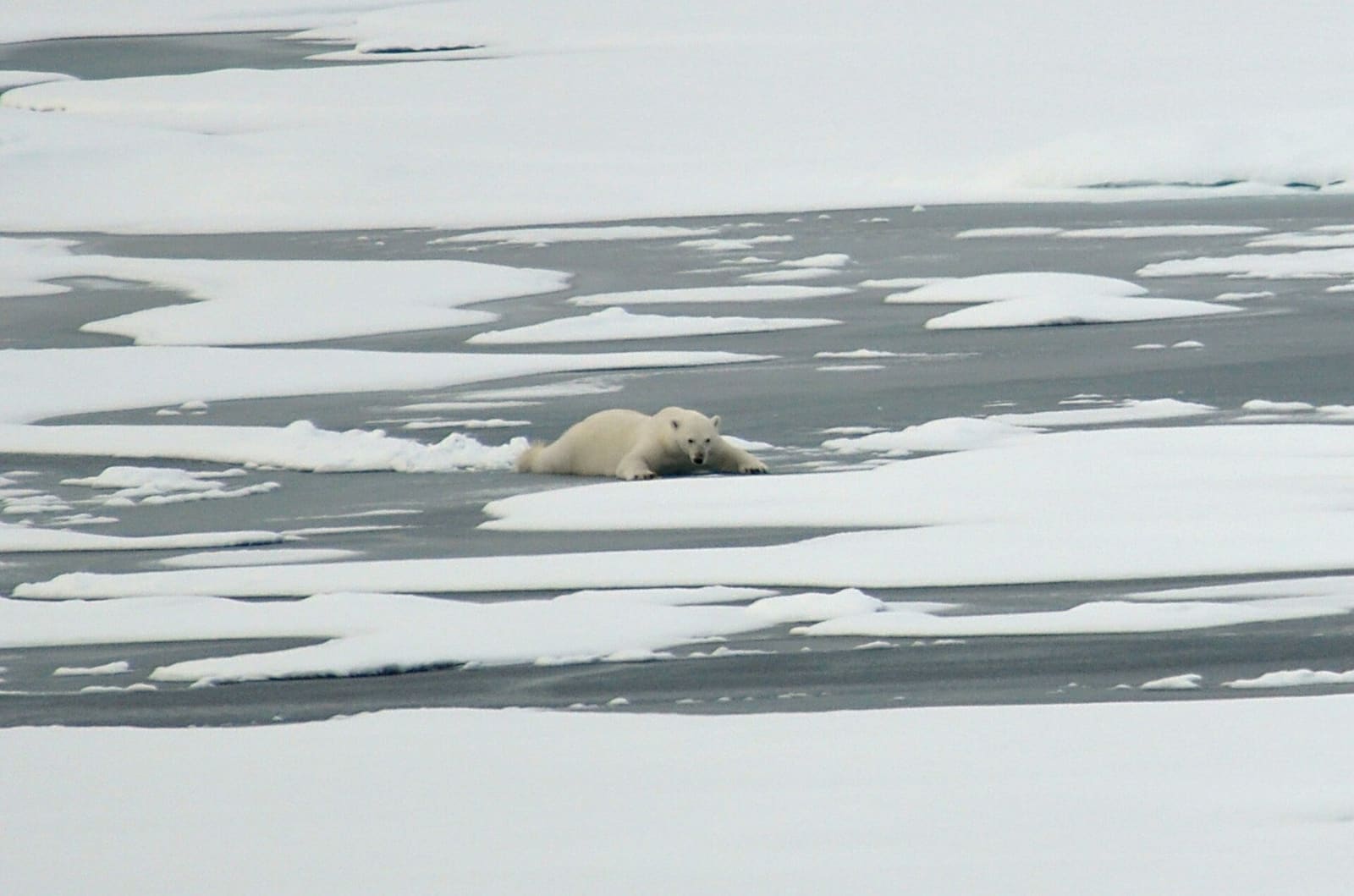
The US Fish and Wildlife Service (FWS) has approved a rule that, for five years through 2031, covers the “incidental take” of polar bears and Pacific walruses caused by oil and gas exploration and production in the Beaufort Sea and along Alaska’s north coast.
What “incidental take” means
Under the US Marine Mammal Protection Act, “take” doesn’t just mean hunting: it includes harassing, displacing or disturbing an animal. Companies working where polar bears live need authorisation so that unintentional effects (from noise, traffic or facilities) aren’t illegal, in exchange for monitoring and prevention measures.
To grant this kind of authorisation, the law requires the FWS to find that only a small number of animals will be affected, with a negligible impact on populations and no harm to Alaska Native subsistence hunting.
Why it’s controversial
- The rule was requested by the Alaska Oil and Gas Association.
- The public consultation drew more than 85,500 comments, nearly all opposed, according to specialist press.
- It replaces the 2021 authorisation, which expired on 5 August 2026. Coverage differs on whether the new rule extends to accidental deaths: some environmental groups say so, and the exact scope will need to be read in the final Federal Register text.
- The area covered excludes the Arctic National Wildlife Refuge.
The polar bear is listed as “Vulnerable” by the IUCN, and its biggest threat is the loss of sea ice to warming.
The backdrop: a melting Arctic
Polar bears depend on sea ice to hunt seals. The Southern Beaufort Sea population is one of the most studied and has declined in recent decades as the ice has shrunk. We saw what’s happening in the Arctic this week in Longyearbyen, Svalbard, and explain it in places that could change radically this century.
Want to know what “Vulnerable” means, and why it doesn’t mean “safe”? Read how the IUCN Red List works.
Sources and references
- Federal Register – Final rule FWS–R7–ES–2026–0694 (polar bears and Pacific walruses)
- U.S. Fish and Wildlife Service – Incidental take: polar bears and Pacific walruses
- Common Dreams – Trump administration and polar bears
This is original editorial content based on the sources cited. Spotted a mistake? Let us know and we will fix it under our corrections policy.