Kavantissa, Sri Lanka's most famous elephant, dies of a gunshot wound
He was known for crossing roads near Galgamuwa. He died on 16 October after weeks of treatment for a gunshot wound. Sri Lanka loses between 380 and 490 wild elephants a year.
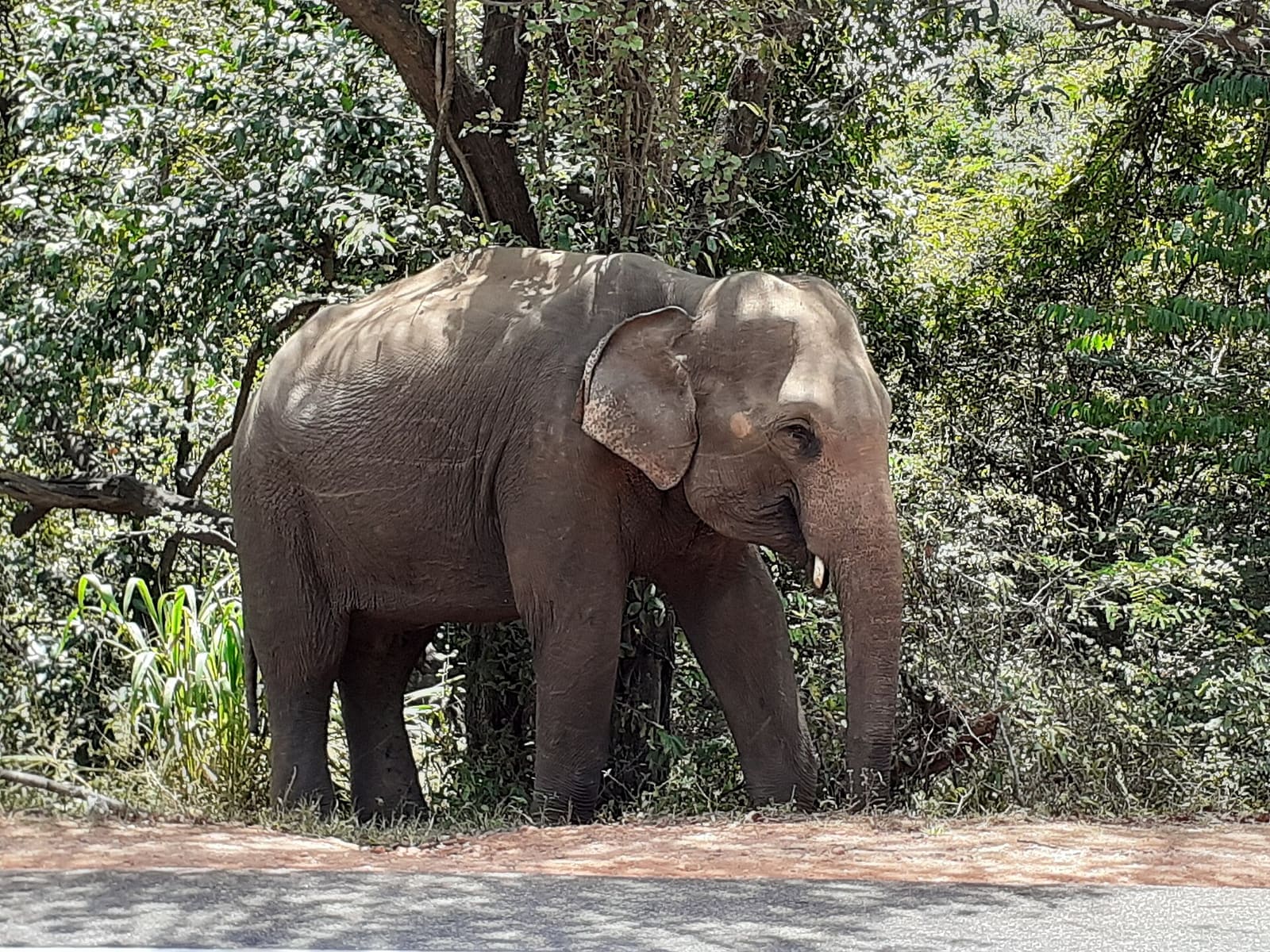
Sri Lanka is mourning an elephant. Kavantissa, one of the country’s best-known tuskers, named after an ancient Sinhalese king, died on 16 October in the island’s north-west. He was famous for crossing the roads near Galgamuwa, and his death has reopened the debate over human-elephant conflict.
Weeks of decline
According to the timeline reported by Mongabay:
- On 22 September he was seen limping.
- Veterinary treatment began on 24 September.
- He wasn’t seen again until 2 October, and diarrhoea was reported on 5 October.
- On 15 October he collapsed. He died the next day of cardiac arrest, despite attempts to resuscitate him.
The Department of Wildlife Conservation (DWC) attributes the death to a trap gun, a shotgun rigged to fire when an animal passes. A court-ordered post-mortem should confirm it. Experts such as Tharaka Prasad, the DWC’s former director of wildlife health, are calling for the treatment he received to be reviewed too.
A problem far bigger than one elephant
The numbers tell the story. Sri Lanka lost 488 wild elephants in 2023, about 388 in 2024 and 455 in 2025. Of those, 79 to 98 a year were shot. Many farmers lose crops to elephants and some turn to illegal traps and guns.
“The only effective way to protect iconic tuskers, or any other elephant, is to protect elephants in general,” says elephant scientist Prithiviraj Fernando.
Conservationists want to tackle the root of the conflict, above all habitat loss, and warn against arming farmers. Fernando even suggested cremating the whole body, tusks included, to show that a living elephant is worth more than its ivory. The DWC instead removed the head to keep the tusks.
The Asian elephant is endangered
The Asian elephant is listed as “Endangered” by the IUCN. We explain what that means in how the IUCN Red List works. If you travel to Sri Lanka, choose responsible safaris in national parks and avoid any activity that involves riding or touching elephants.
Sources and references
- Mongabay – Sri Lanka mourns iconic tusker amid renewed calls to address human-elephant conflict (24/10/2026)
- Mongabay – Death of iconic elephant in Sri Lanka pushes authorities to fast-track protection efforts (23/10/2026)
This is original editorial content based on the sources cited. Spotted a mistake? Let us know and we will fix it under our corrections policy.