Iberian lynx climb 12 metres to raid black kite nests in Doñana when rabbits run short
In 2018 lynx killed nearly half the chicks about to fledge in the study area. The team links the shift to rabbit disease and the drying of the marshes.
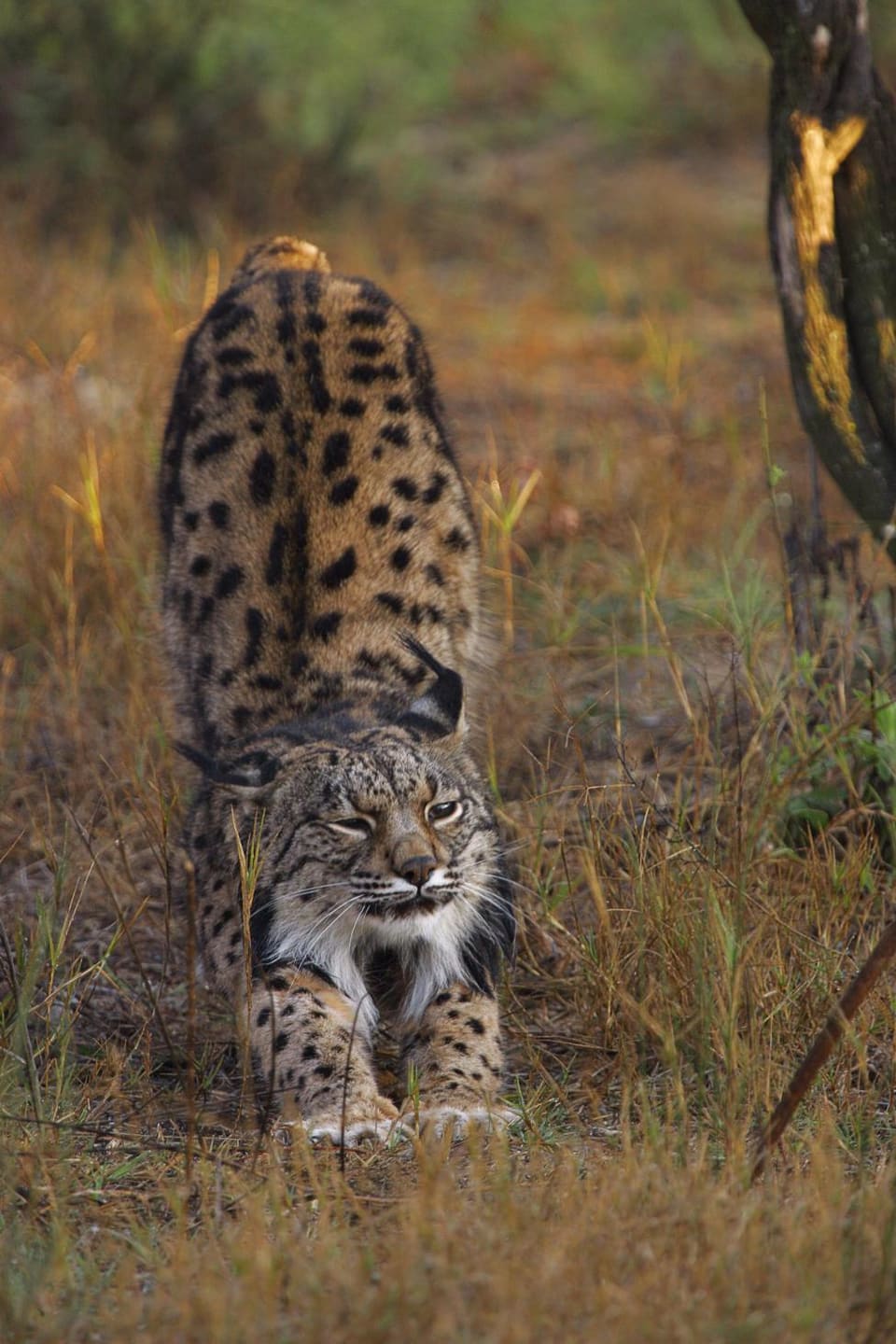
Lynx and black kites shared Spain’s Doñana peacefully for decades. Then the rabbits ran out. A study published on 21 October in Nature, led by Fabrizio Sergio of the Doñana Biological Station (EBD-CSIC), shows how the cat began climbing about 12 metres to attack the raptor’s nests.
30 years of monitoring
The team has followed both species since 1993 in a 10 km² sector of the park, examining 1,624 kite nests through 2023. The sector held 4 to 6 adult lynx and 105 to 223 kite pairs, depending on the year.
| Period | What happened |
|---|---|
| 1993-2012 | Lynx preyed on about 1% of nests (13 of 904) |
| 2013 | A new rabbit disease variant cuts rabbit numbers by more than 70% |
| 2018 | Lynx kill nearly half the chicks about to fledge |
Hunger and drought
Rabbits make up 70 to 90% of the lynx’s diet. Drought also dried the marshes, reducing the waterfowl, especially ducks, that the cats otherwise turn to. Attacks rose in dry years with fewer than one rabbit per hectare, the minimum a lynx needs. In wet years nests were rarely touched, even when rabbits were scarce.
As Sergio put it, lynx are forced to eat whatever they can find. Since an adult covers about 8 km a day, no nest was safe, whatever its height or the parents’ experience.
Removing a competitor?
Beneath attacked nests there were more than three times as many rabbit remains as under others. The authors suggest the lynx may have been removing a competitor, though they acknowledge the idea needs experimental confirmation.
The consequences for kites are clear:
- Pairs that lost their brood were about four times more likely to leave their territory the next year.
- Their lifetime breeding output was 27.7% lower.
- With fewer kites around, little owls, which kites prey on, increased within two or three years.
What they propose
The authors call for restoring rabbit populations, ensuring the Guadalquivir marshes flood and considering supplemental food for lynx in droughts. Sergio also warns that this kind of long-term study receives less and less support.
The lynx remains a recovery story, with 885 individuals in Sierra Morena alone, its largest stronghold. More in the latest Iberian lynx census.
Sources and references
This is original editorial content based on the sources cited. Spotted a mistake? Let us know and we will fix it under our corrections policy.