Coral bleaching in Almería: the sea was still at 24-25 °C in late October
Some colonies are fully white and others partly. The coral has lost the algae living in its tissues; that doesn't yet mean it's dead, but if the heat persists the colonies could be lost.
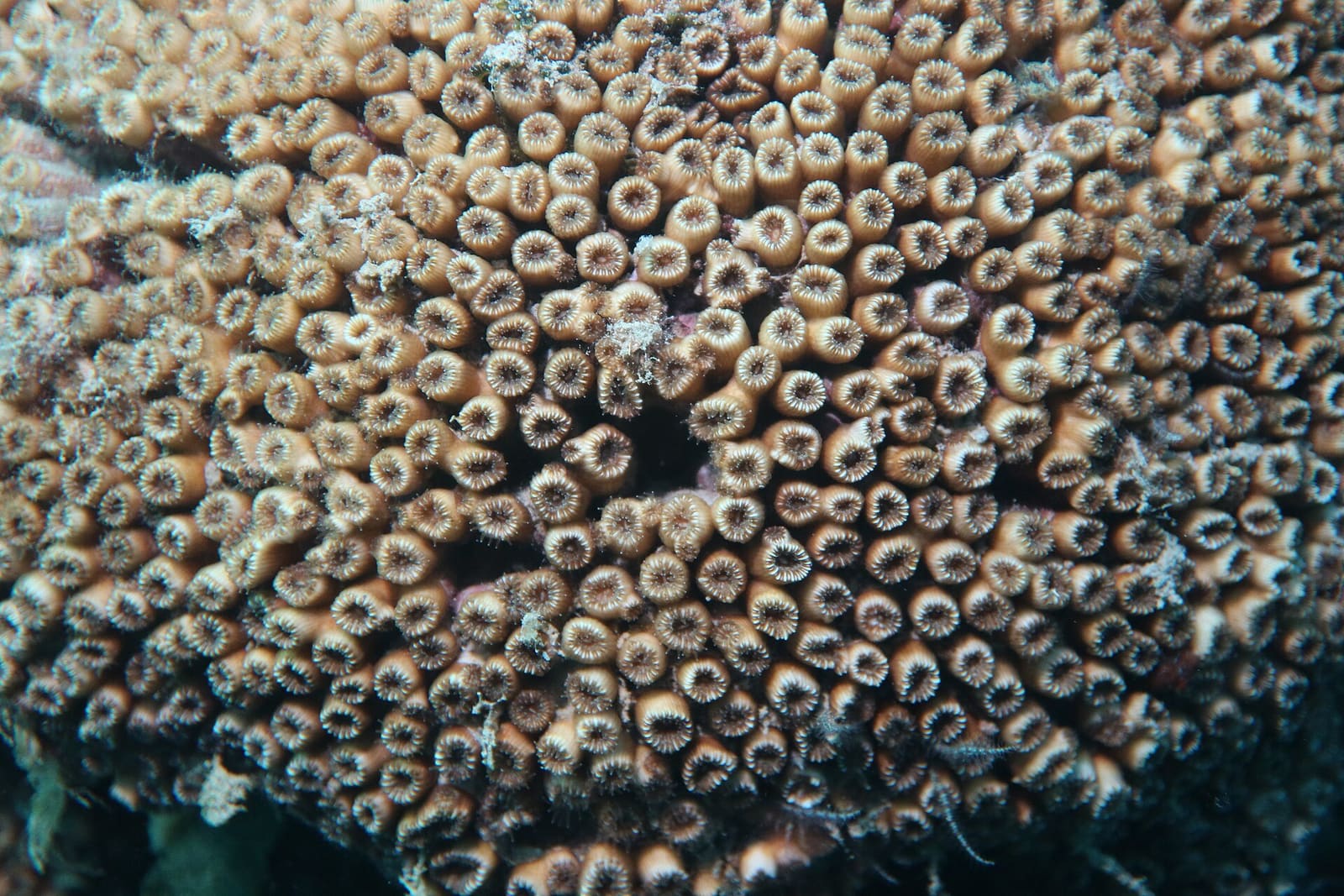
The sea’s heat hasn’t let up this autumn. The Spanish association Hombre y Territorio (HyT) has documented bleaching in many colonies of the coral Cladocora caespitosa in waters off Almería, in the northern Alboran Sea. Some are fully white and others partly.
“We are confirming coral bleaching in Almería,” says biologist Alexis Terrón.
Why it bleaches
The coral loses the symbiotic algae living in its tissues, and its colour with them. In late October the water was still between 24 and 25 °C, values the group considers unusual for the time of year.
Bleached doesn’t mean dead. “If conditions reverse, the coral can recover. If not, we will lose all these colonies,” Terrón sums up.
A reef-building coral
Cladocora caespitosa is a Mediterranean coral that can build reefs, and the article describes it as listed as vulnerable. HyT, which runs the MedCoral programme, tracks the colonies with underwater images. The group reports 80% survival in its coral transplants in the Mediterranean.
If you dive or snorkel, don’t touch or stand on corals: a colony stressed by heat is even more fragile.
Corals also keep a record of what happens in the sea: here’s how they recorded pollution in Maui.
Sources and references
This is original editorial content based on the sources cited. Spotted a mistake? Let us know and we will fix it under our corrections policy.