Not one call in 782 hours: rock ptarmigan probably no longer breed on Spain's Cotiella massif
The recorders did pick up calls at a control site, a sign the method works. The foundation thinks the breeding population has probably been lost, though it doesn't rule out birds arriving from nearby massifs.
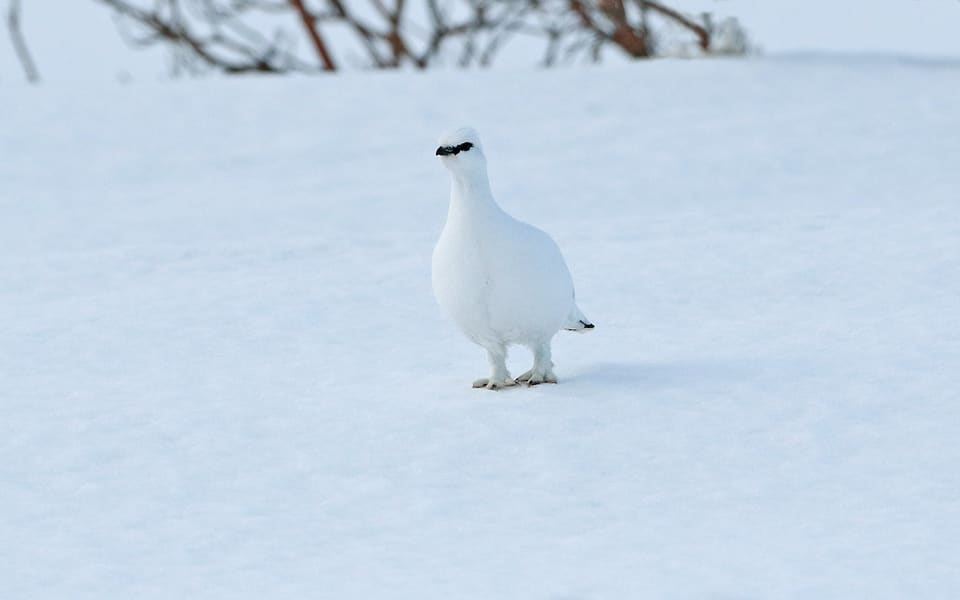
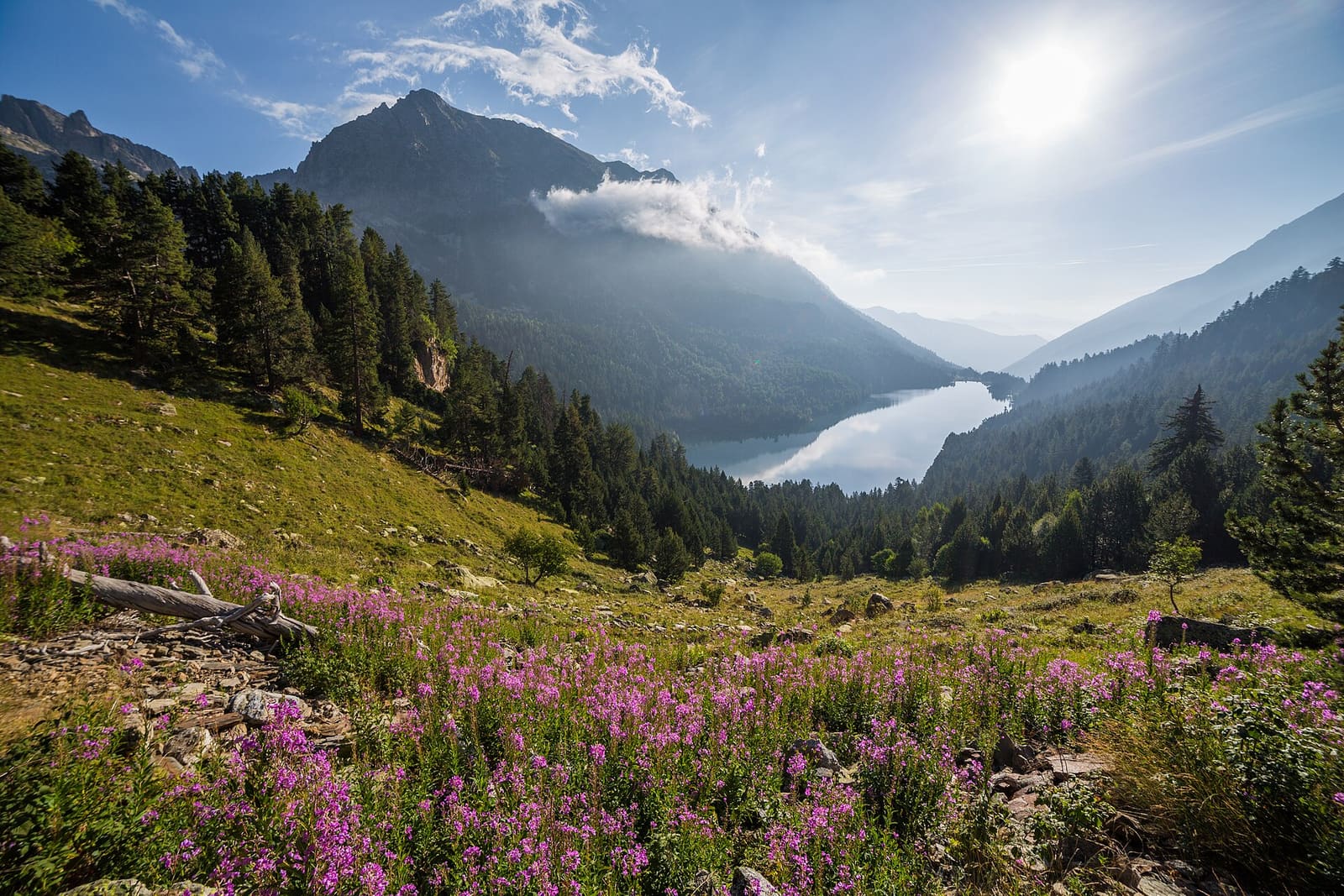
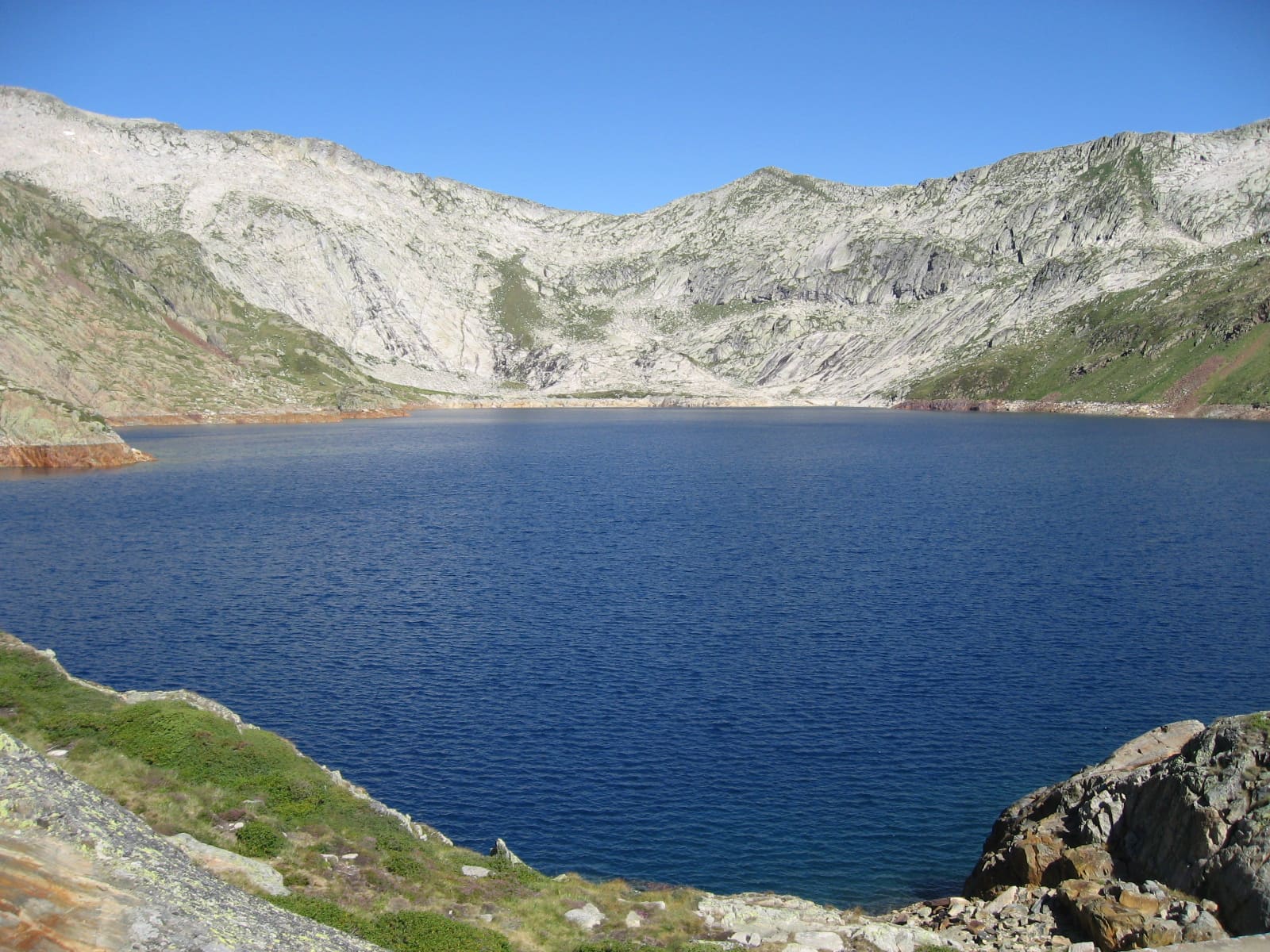
This year, Spain’s Fundación para la Conservación del Quebrantahuesos (FCQ), a bearded vulture conservation foundation, searched 984 hectares of the Cotiella massif in Huesca without finding a single rock ptarmigan or any sign of one. Its automatic recorders logged 782 hours of sound without one call.
The foundation thinks the massif’s breeding population has probably disappeared, while not ruling out birds arriving from nearby massifs.
Did the method fail?
Apparently not. As a control, the FCQ placed the same equipment outside Cotiella, in an area where the species is still present, and got 63 files with calls. The Cotiella work focused on the Armeña and Lavasar sectors.
Four decades of decline
| Period | Result |
|---|---|
| 1986-1999 | 11 detections in 20 visits |
| 2000-2017 | Only 2 detections |
| Since 2018 | 25 more visits, no proof of presence |
A relic at the limit
The rock ptarmigan (Lagopus muta) is a boreo-alpine bird, which the foundation describes as a true relic of the last ice ages and a sentinel species for climate change. Cotiella lies at the southern limit of its Pyrenean range, with fairly isolated high-mountain habitats.
Mean annual temperature in the study area rose 0.414 °C per decade between 1986 and 2025: slightly more than a degree and a half in nearly four decades. The FCQ admits it can’t prove a direct causal link to the bird’s decline, but finds it especially worrying that the two trends coincide.
What we still don’t know
According to ECOticias, the statement doesn’t quantify birds on neighbouring massifs or say how often they move between summits. These details are key to knowing whether Cotiella could recover on its own. The FCQ is calling for stronger monitoring of alpine species.
If you see a ptarmigan high in the mountains, watch from a distance and don’t flush it: in winter, every escape costs energy that’s hard to recover.
To understand what’s changing up high, read what’s happening to mountains without snow.
Sources and references
This is original editorial content based on the sources cited. Spotted a mistake? Let us know and we will fix it under our corrections policy.