Half a gram of vitamins on the bones: how Pyrenean bearded vultures got bigger eggs
Chicks from pairs that ate supplemented bones hatched heavier and had more vitamin A and E in their blood. The study is small and more tests are still needed.
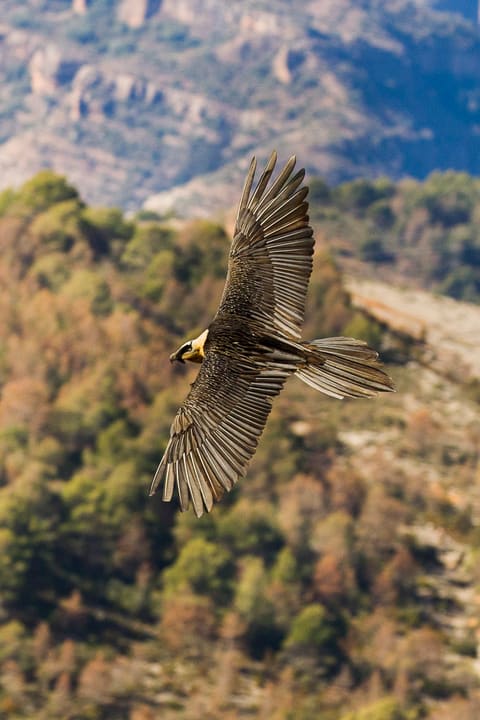
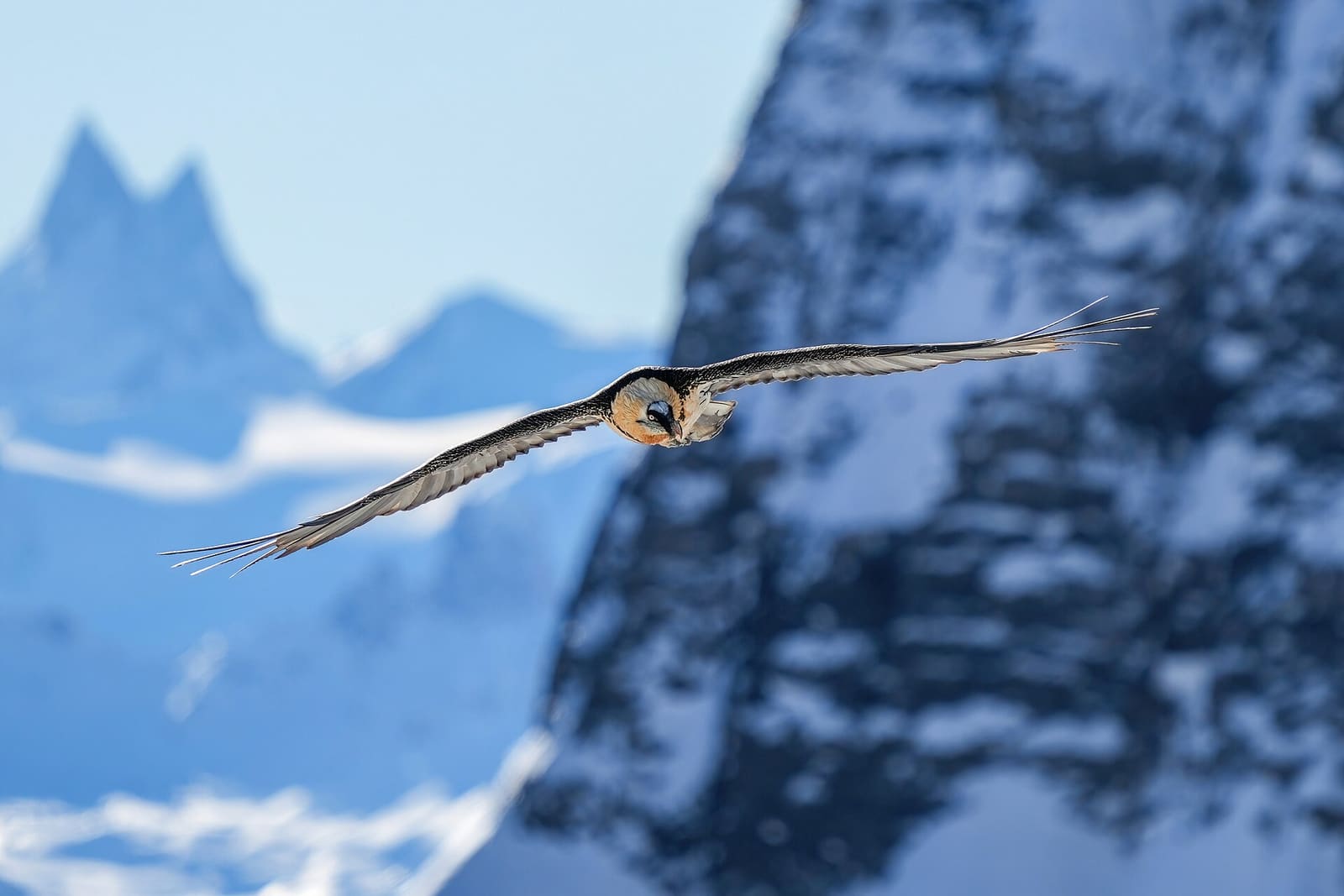
The Bearded Vulture Conservation Foundation (FCQ) has tested a simple trick over several seasons: dusting vitamins on the bones it leaves at the Escuaín feeding station, in the Huesca Pyrenees. The result, published in the journal Lucas Mallada, is bigger eggs and stronger chicks.
How it was done
- A technician sprinkled 0.5 g of a supplement with vitamins A, E and B and minerals on lamb bones, just before leaving them at the feeding station.
- It was given about two months before breeding, because these vitamins take time to reach the blood.
- Scientists analysed eggs and chicks rescued from nests between 2019 and 2023 and compared them with those of unsupplemented pairs.
Escuaín is a good place for this: bearded vultures of all ages come to feed there. “They all go there to eat,” says Juan Antonio Gil, the FCQ’s founder.
What they found
Chicks from pairs that ate supplemented bones had more vitamin A, vitamin E and beta-carotene in their blood. Their eggs were bigger, with thicker shells and more calcium, and the chicks hatched heavier and put on weight faster.
“We’ve managed to improve their immune system and make chicks and eggs stronger,” Gil says.
With caution
The authors admit that the sample is small and the published notes don’t say how much bigger the eggs were. They also haven’t yet measured shell strength or whether more chicks hatch or survive.
The bearded vulture came close to disappearing in the 1970s. Today there are nearly 100 pairs and trios in Alto Aragón, and the next challenge is reintroducing it to the Cantabrian Mountains, the Sistema Central and the Sistema Ibérico.
Get to know this bird better: the bearded vulture, the vulture that eats bones.
Sources and references
- Bearded Vulture Conservation Foundation – The vitamins that improve bearded vulture health, in Spanish (26/10/2026)
- Lucas Mallada journal (Instituto de Estudios Altoaragoneses)
- ECOticias – Pyrenean bearded vultures lay bigger eggs, in Spanish (03/11/2026)
This is original editorial content based on the sources cited. Spotted a mistake? Let us know and we will fix it under our corrections policy.