Spain accounts for 44% of everything that burned in the EU in 2026
A report using data from Europe's EFFIS system puts Spain far ahead of Italy and France. July set a record for burned area in that month, with weather climate change made 20 times more likely.
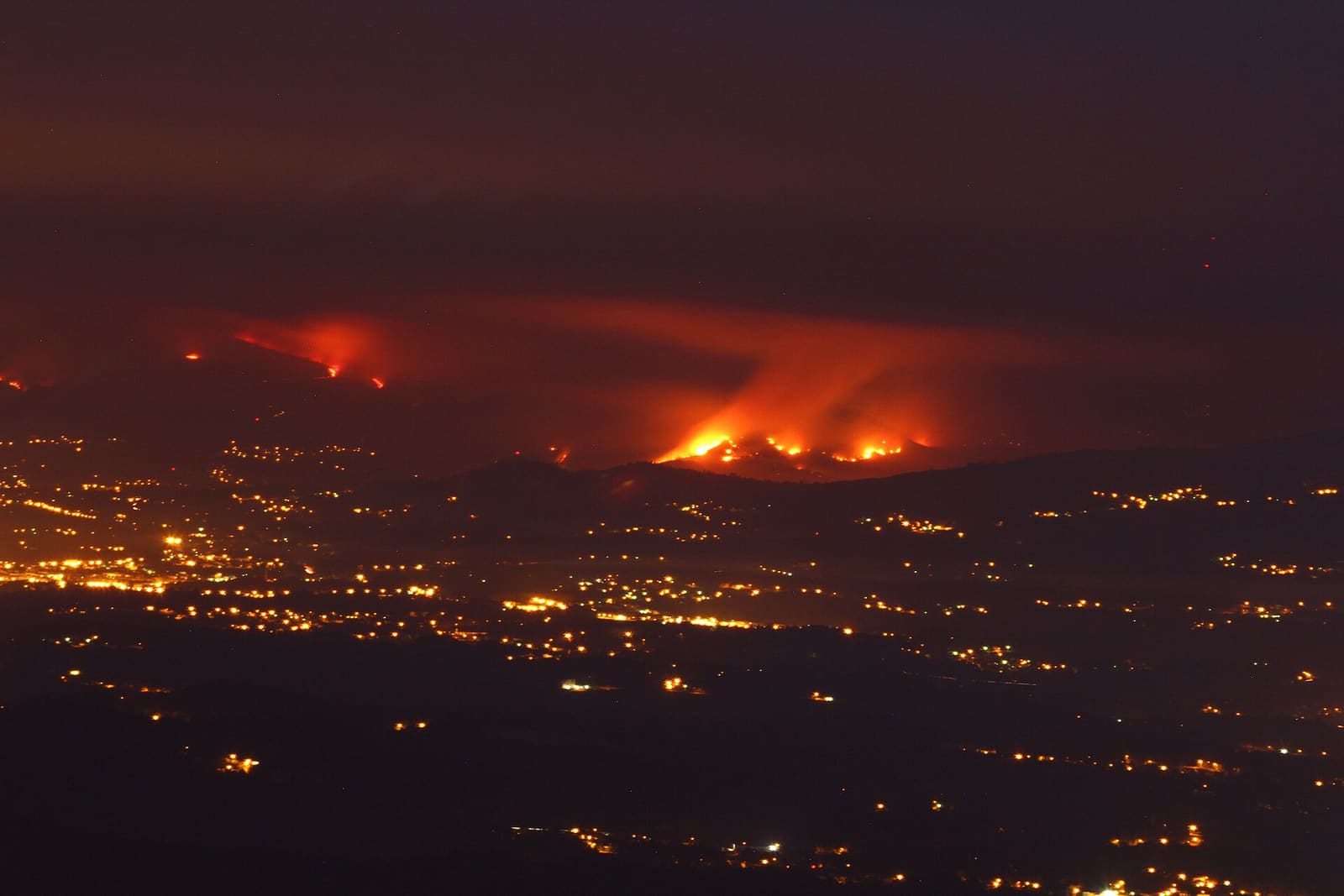
Summer 2026 has left Spain in the worst place in Europe. According to a Zero Carbon Analytics report based on data from Europe’s EFFIS system, Spain lost about 299,000 hectares to wildfires up to 23 September: 44% of all the area burned in the European Union.
The numbers
| Country | Share of EU burned area |
|---|---|
| Spain | 44% (≈299,000 ha) |
| Italy | 17% |
| France | 14% |
- About 680,000 hectares burned across the EU, nearly double the average for 2006–2025 at that point in the year.
- Mediterranean countries account for 94%.
- 2026 is the third-worst year since records began in 2006, behind only 2022 and 2025.
A record July
In July, Spain beat its previous record for burned area in that month, set in 2022, by 21%, and the EU hit its all-time monthly record with 353,000 hectares. And summer wasn’t over: on 6 August the Niebla wildfire began in Huelva, the largest on record in Spain.
According to World Weather Attribution analyses cited in the report, human-caused global warming made the fire weather in central Spain in July at least 20 times more likely.
Smoke, CO₂ and insurance
- Near Madrid, fine particles (PM2.5) reached a daily average of 96 µg/m³, more than six times the WHO guideline.
- EU wildfires emitted about 29.5 million tonnes of CO₂ up to September, 1.4 times the average.
- 75% of losses from climate disasters in the EU between 1980 and 2024 were uninsured.
“We are witnessing a dangerous structural shift in Europe’s wildfire landscape,” warns Joanne Bentley-McKune, the study’s lead author. “Treating wildfires solely as emergencies to respond to is no longer viable.”
Prevent, don’t just put out
Experts stress landscape management: less built-up fuel, more extensive grazing and patchworks of farmland that slow the fire. And after the fire, good restoration, like the work being studied in Castilla y León’s burned forests.
If you hike in summer, read what to do if you encounter a wildfire.
Sources and references
- ECOticias – España concentra casi la mitad de la superficie quemada en la UE en 2026 (28/10/2026)
- EFFIS – European Forest Fire Information System
This is original editorial content based on the sources cited. Spotted a mistake? Let us know and we will fix it under our corrections policy.