Satellites to monitor León's high-mountain grasslands: the University of Oviedo's approach
From 2021 to 2025, researchers measured soil temperature and moisture in 40 plots with 96 plant species. Surface temperature seen from space was the best indicator of stress.
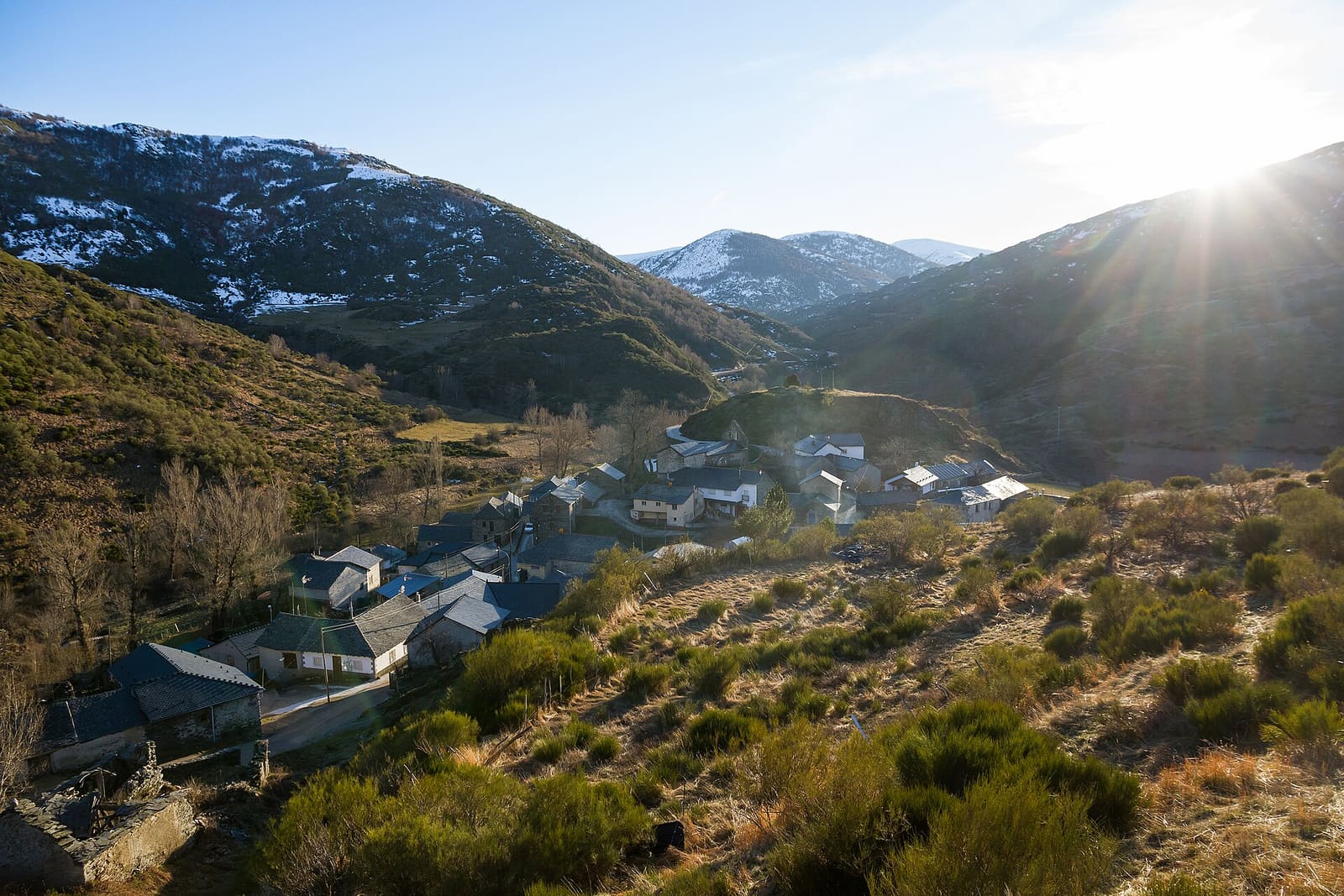
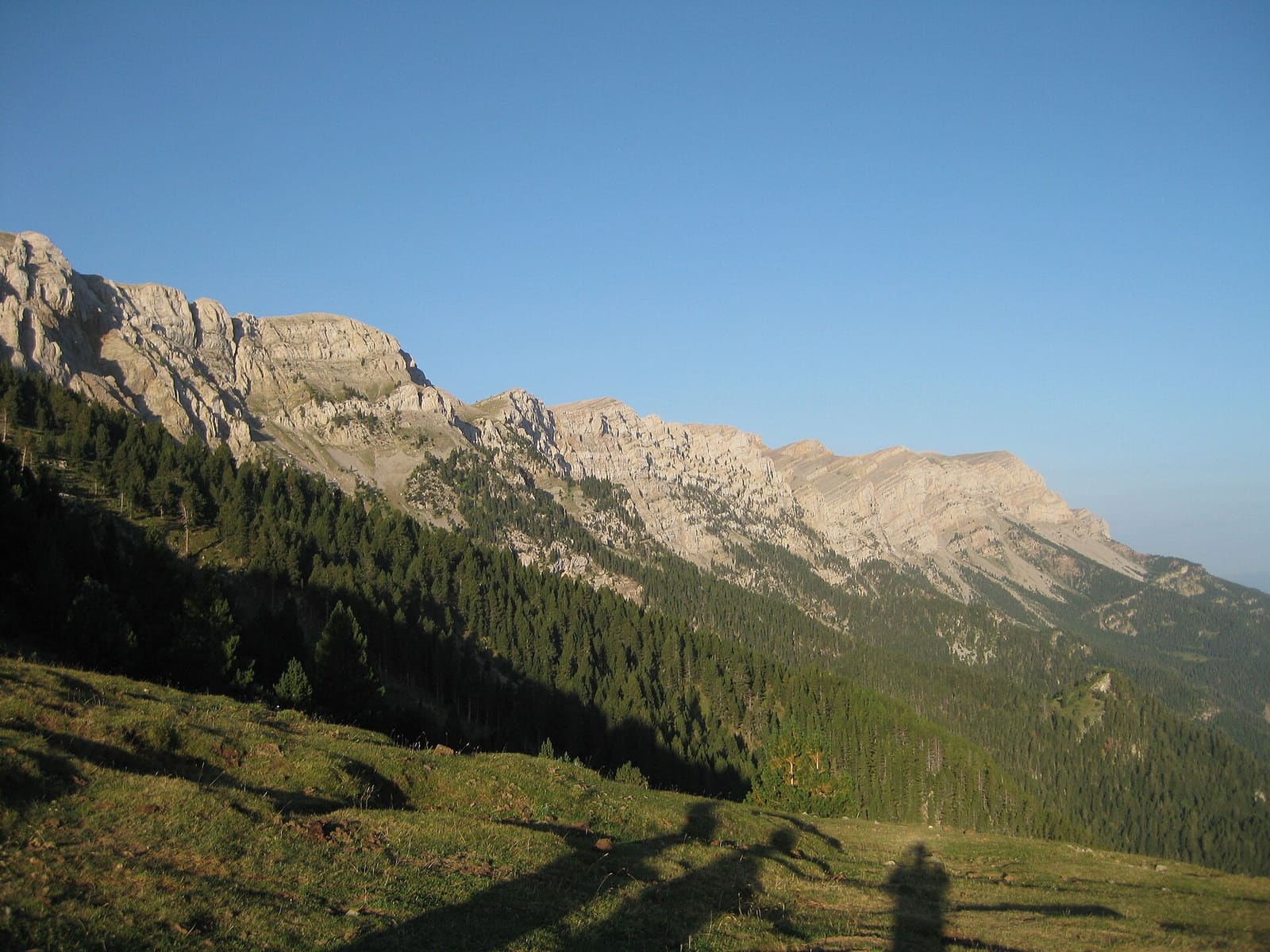
High mountains are warming faster than lowlands, and their plants have nowhere to go. A team from the University of Oviedo and the Joint Research Institute for Biodiversity (IMIB) has tested a way to monitor them from space, close to home: the alpine grasslands of Omaña, in León, northern Spain.
From the ground to the satellite
The study, published in Alpine Botany and led by José Manuel Álvarez:
- Recorded 96 plant species in 40 plots of alpine grassland.
- Measured soil temperature and moisture at four sites from 2021 to 2025.
- Compared that data with what Europe’s Sentinel-2 and the US Landsat satellites see. In Sentinel-2’s sharpest bands, each pixel covers about 100 m².
“We’re connecting what we measure directly in the ecosystem with what a satellite observes,” says Álvarez.
What they found
- Surface temperature measured from space was the most reliable indicator of soil temperature and plant water stress.
- One vegetation index (SAVI) was the only one consistently linked to plot composition, but it didn’t capture all the plant diversity.
- Soil texture, especially clay and silt content, helps explain why plant communities differ from place to place.
Why it matters
The Cantabrian Mountains’ alpine grasslands are small islands of cold climate in southern Europe, with species that can’t climb any higher if the climate warms. Monitoring them from space could flag areas in trouble early, without climbing every summit.
Still, the authors are clear that satellites don’t replace fieldwork: to know which plants are there, someone still has to go up and count them.
We explain what’s at stake in what would happen if the snow disappeared from the great mountains, and how some high-altitude flowers cope in our feature on edelweiss.
Sources and references
This is original editorial content based on the sources cited. Spotted a mistake? Let us know and we will fix it under our corrections policy.