94 alien species could threaten the Canary Islands' biodiversity in the next decade
Using 'horizon scanning', scientists from CSIC, the University of Girona and 27 other institutions listed the invaders of greatest concern before they arrive.
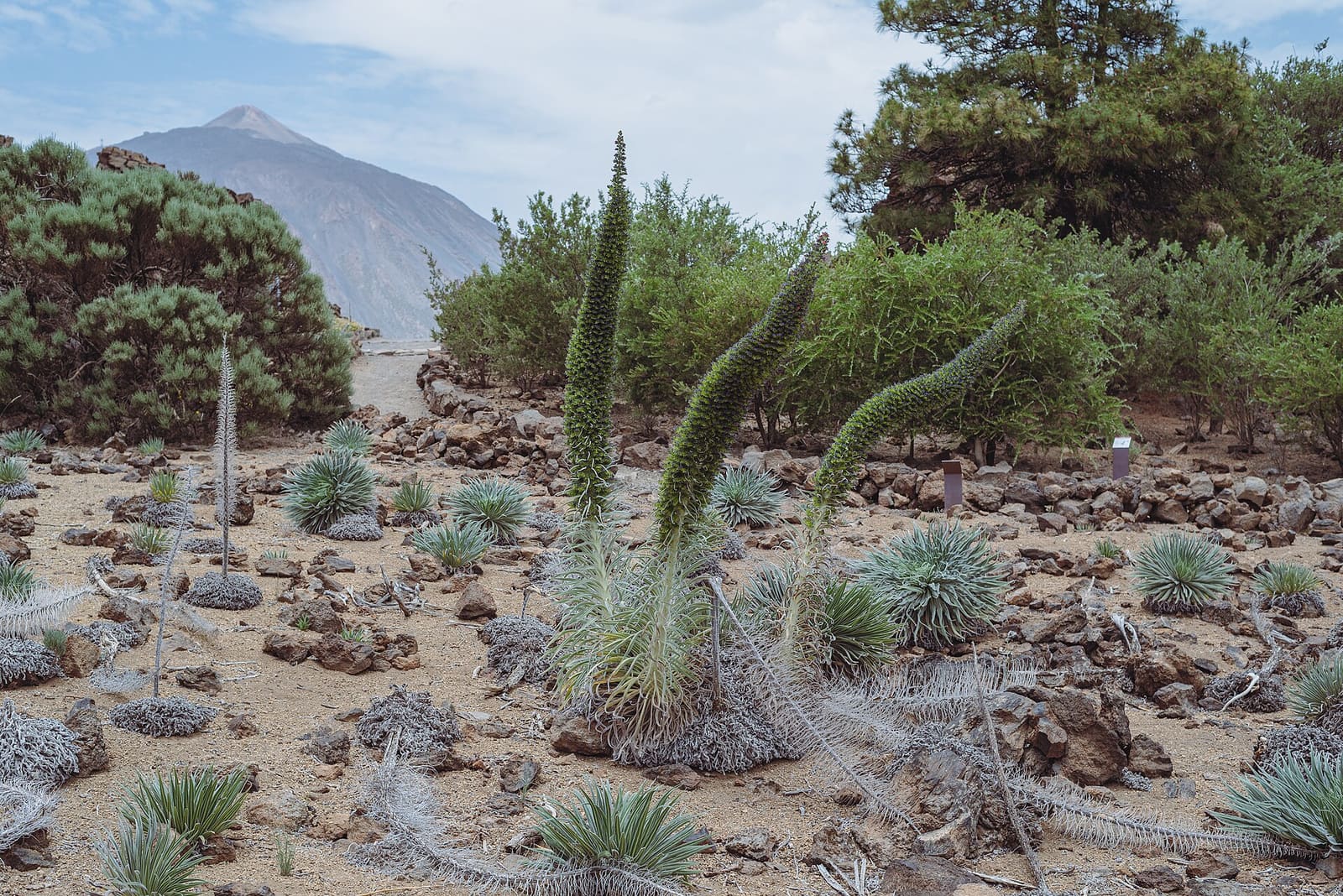
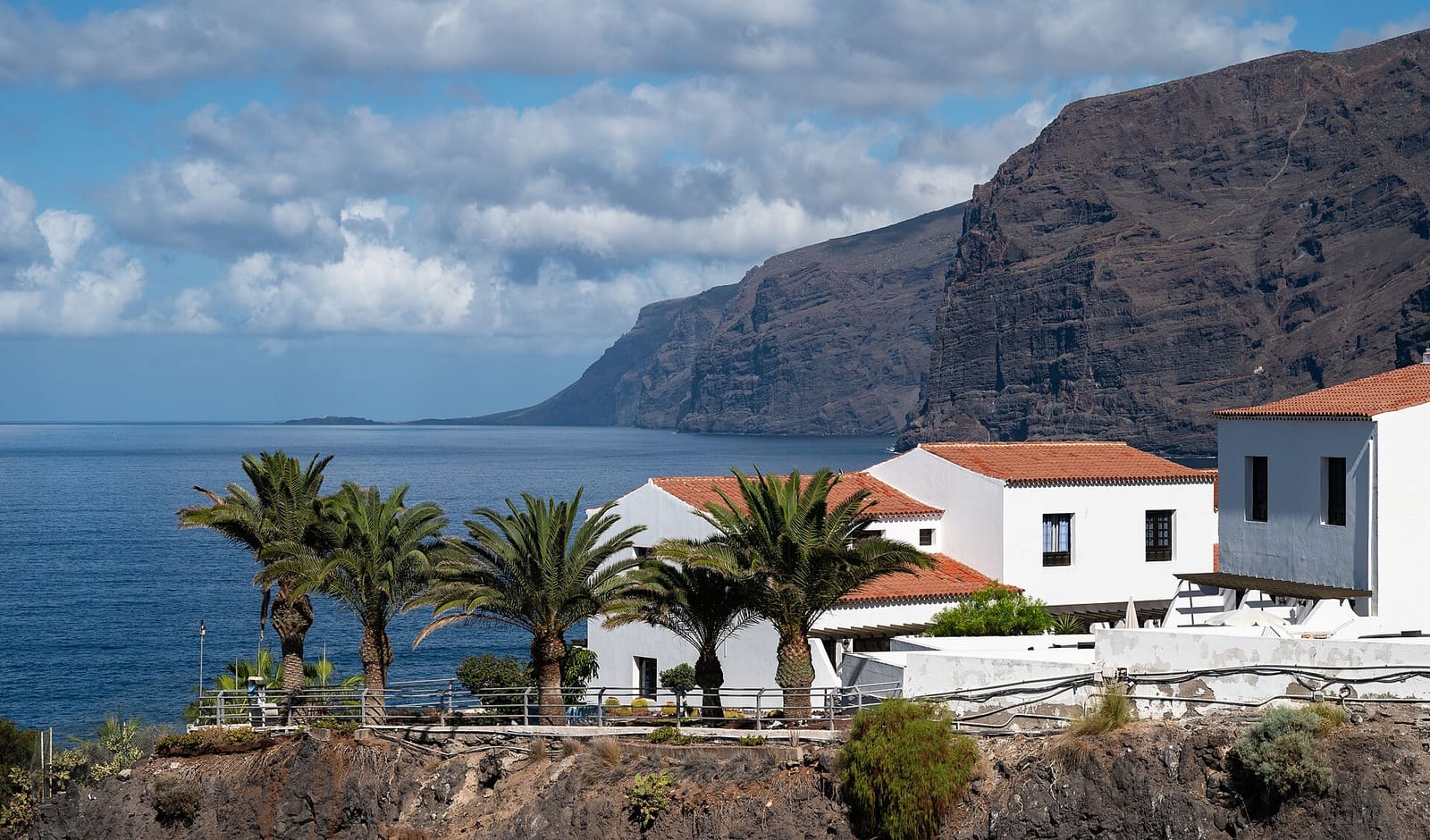
The Canary Islands are one of Europe’s great biodiversity treasures, with countless species found nowhere else. That’s exactly why they’re so vulnerable to alien species. A study published in Diversity and Distributions has identified 94 species that could pose a high risk to Canarian nature over the next decade.
Looking before they land
The work, coordinated by the Spanish Network on Biological Invasions (InvaNET) and led by Ana Clara Sampaio Franco and Emili García-Berthou (University of Girona), with IPNA-CSIC researchers including Marta López Darias, Jairo Patiño, Manuel Nogales and David Hernández Teixidor, uses a technique called “horizon scanning”:
- 37 specialists from 29 institutions assessed 823 species of animals and plants.
- For each, they weighed its global distribution, invasion history and ability to establish in conditions similar to the Canaries.
- The result is a consensus list of monitoring priorities.
Some of the species of concern
- Red palm weevil (Rhynchophorus ferrugineus): an Asian beetle that can kill palms.
- Horseshoe whip snake (Hemorrhois hippocrepis) and ladder snake (Zamenis scalaris).
- Common myna (Acridotheres tristis): an Asian bird that damages crops and displaces other birds.
Beyond the 94 ecological risks, another 49 could cause significant socio-economic impacts. Many have long invasion histories elsewhere, already occur near the Canaries and aren’t on Spain’s official invasive species catalogue. The authors recommend detailed risk assessments and regulation if their invasive potential is confirmed.
“An alien species is not automatically an invasive species,” the authors note: it becomes one when its spread threatens biodiversity.
Prevention is the best weapon
Eradicating an invasive species once established is costly and often impossible, so prevention is the most effective and cheapest strategy. Travellers can help too: don’t move plants, seeds or animals between islands or from abroad, and clean your boots and gear before walking in protected areas.
Sources and references
This is original editorial content based on the sources cited. Spotted a mistake? Let us know and we will fix it under our corrections policy.