Europe sets a record: at least 603 dams and barriers removed from its rivers in 2025
That's 11% more than in 2024. Most were small barriers under two metres high, and only 5% produced electricity. The EU aims to restore 25,000 km of free-flowing rivers by 2030.
Europe has never freed so many rivers in a single year. According to the Progress Report 2025 by the Dam Removal Europe coalition, at least 603 dams and barriers were removed in 21 countries in 2025, reconnecting more than 3,740 kilometres of rivers.
The figures
| Detail | 2025 |
|---|---|
| Barriers removed | At least 603 (542 in 2024) |
| Countries | 21 |
| Kilometres reconnected | More than 3,740 |
| Barriers under 2 m | 78% |
| Used for electricity | 5% |
Half were culverts under roads, 31% weirs and 10% dams proper. Sweden leads the list, followed by Finland and Spain, where two weirs removed on the Zumeta River are cited.
The figures have limits: reconnected kilometres are known for only 198 of the 603 barriers, and 24 more removals surfaced after the report closed. So 603 is a minimum.
Three cases
- Portugal: in the Côa Valley, two temporary cofferdams remain from works abandoned in the 1990s after rock art was found. Removing them would reconnect about 50 km of river with the Douro, but funding is missing.
- Italy: in the Apennines, five barriers on the Giovenco River came down in 2024, reconnecting 11 km, and a 30-metre dam on the Liri fell in September 2025.
- Romania: on the Ramna River there are adult trout but almost no juveniles, because ten weirs block the spawning areas.
The 2030 target
The EU Nature Restoration Law requires at least 25,000 km of free-flowing rivers to be restored by 2030. At this pace it would take almost seven years, a rough estimate because the report includes non-EU countries. The coalition also warns that the planned review of the Water Framework Directive could weaken ambition.
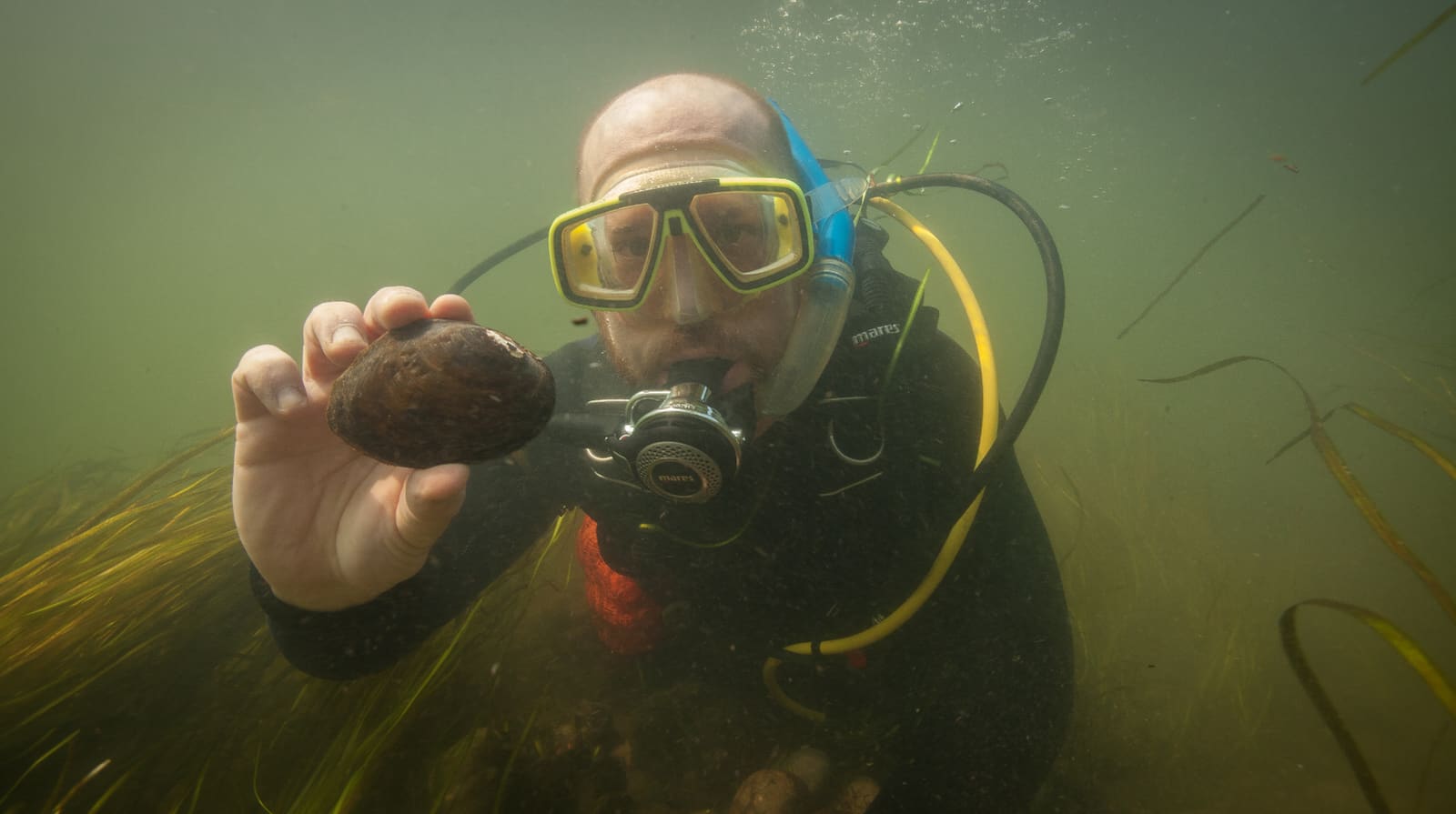
Another look at rivers and their wildlife: five new freshwater mussel species in the United States.
Sources and references
This is original editorial content based on the sources cited. Spotted a mistake? Let us know and we will fix it under our corrections policy.