Five new freshwater mussel species: US rivers still hold surprises
A single mussel can filter about 663,000 litres of water over a 60-year life. In North America, 66% of freshwater mussel species are at risk.
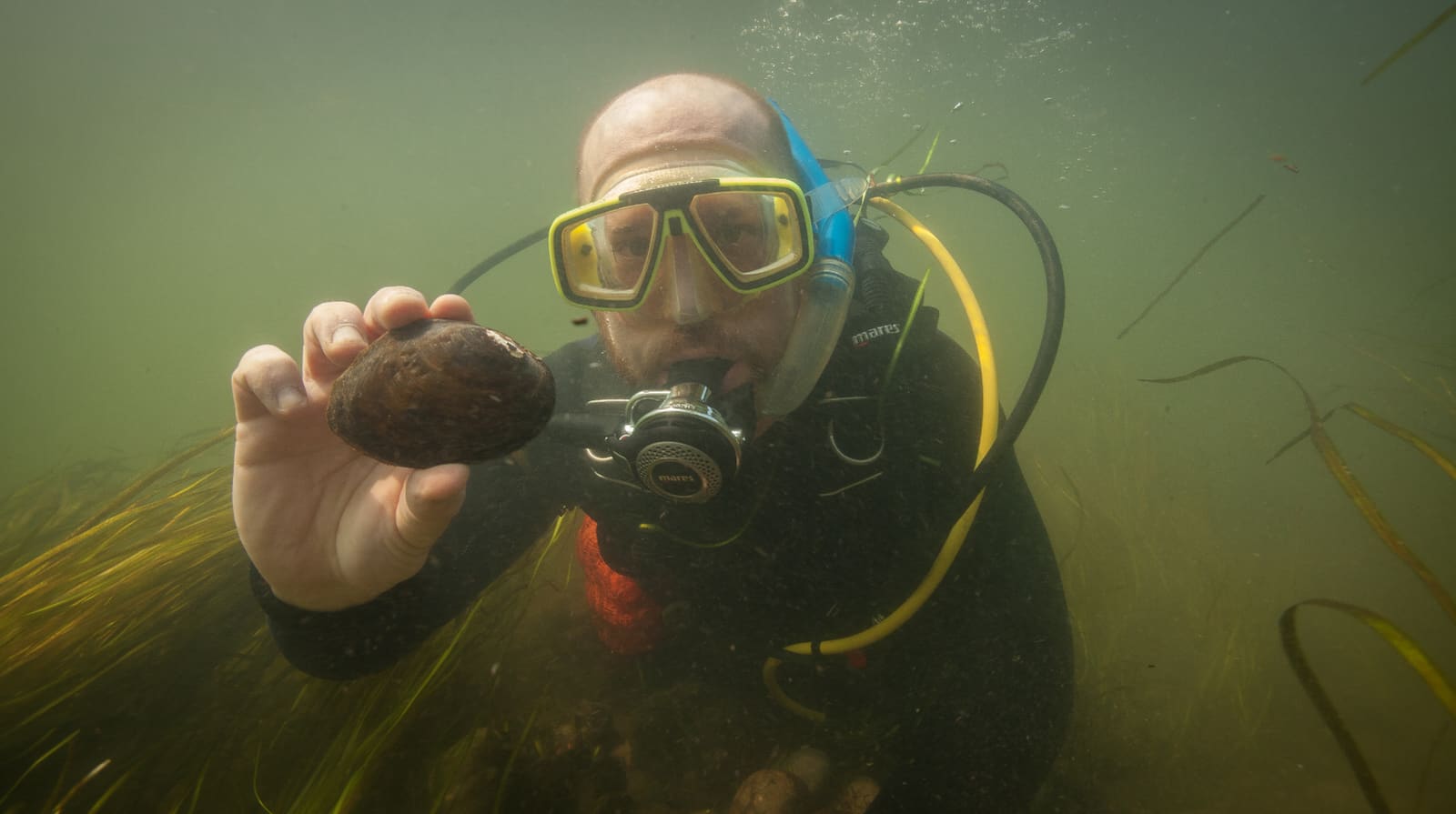
You don’t need to go to the jungle to discover new species. A study in the journal Zootaxa describes five freshwater mussel species new to science from rivers in the southern United States.
Hidden in plain sight
The mussels looked like known species, so the team from Shedd Aquarium, Arkansas State University and the US Geological Survey (USGS) turned to genetics: they sequenced three genes and compared the outlines of more than 440 shells. Each major river basin had its own lineage. Wherever possible, they took a small sample and returned the live animal to the river.
The five new species
| Species | Where it lives |
|---|---|
| Mobile hickorynut (Obovaria sipseyensis) | Upper tributaries of the Tombigbee River (Alabama) |
| White River hickorynut (O. neeskaensis) | White River basin (Ozarks and Mississippi floodplain) |
| Big Thicket hickorynut (O. pinetorum) | Calcasieu, Sabine and Neches rivers (Louisiana and Texas) |
| Tallahatta hickorynut (O. tallahattae) | About 10 miles of the Big Black River (Mississippi) |
| Acolapissa hickorynut (O. lumbo) | Pearl, Pascagoula and Lake Pontchartrain drainages (Louisiana) |
The last, the largest of the five at about 2.5 inches, is named after the Acolapissa people.
“Conservation efforts can only protect what we recognize,” says lead author Kentaro Inoue of Shedd Aquarium.
Natural water filters under threat
River mussels filter water, removing algae, sediment, nutrients, bacteria and metals. A single mussel can filter about 663,000 litres over its 60-year life.
Yet they’re North America’s most imperilled animal group: 66% of species are at risk from pollution, dams, sediment, invasive zebra mussels and the loss of the host fish their larvae need. Of the five new species, only one has been proposed for federal protection.
Europe has the same problem: in Spain, the giant pearl mussel (Margaritifera auricularia) is endangered and survives mainly in the Ebro basin. Protecting wild rivers like those in our selection protects them too.
Sources and references
- Mongabay – Five new mussel species reveal how much biodiversity US rivers still conceal (27/10/2026)
This is original editorial content based on the sources cited. Spotted a mistake? Let us know and we will fix it under our corrections policy.