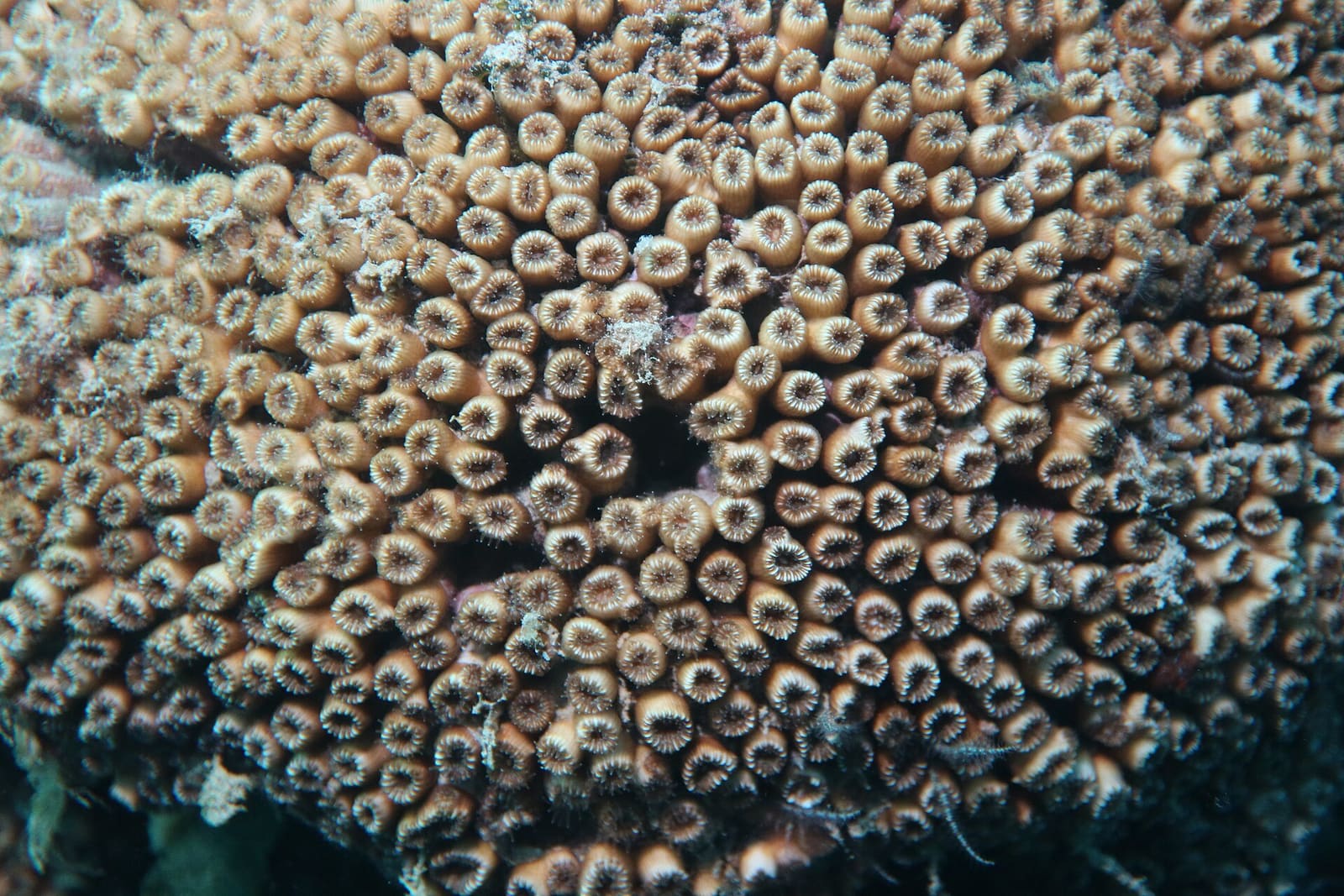
Corals keep a record of pollution, a study in Hawaii shows
Traces of cosmetics, medicines and farm runoff: Maui's corals carry the imprint of what we do on land. Researchers propose using them as monitors of water quality.
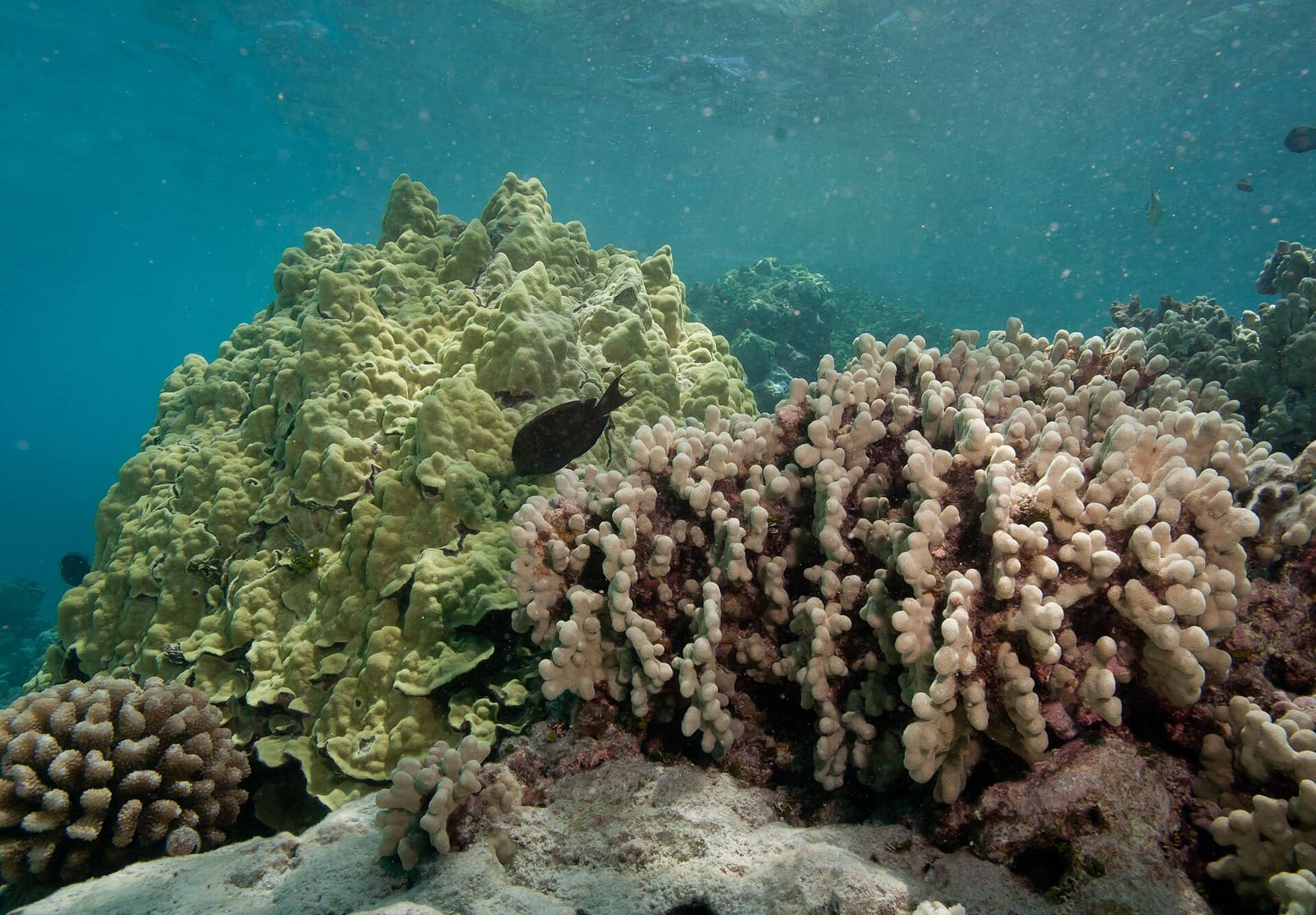
A water sample is a snapshot. A coral is a diary. That’s the idea behind a study published in Nature Communications that proposes using coral tissue to measure how much human activity is affecting reefs.
The study
A team led by Zachary Quinlan, a research biologist at the University of Hawai’i at Mānoa:
- Took 380 samples from two species, lobe coral (Porites lobata) and rice coral (Montipora capitata, endangered), at 16 reefs along about 70 km of Maui’s coast.
- Analysed their metabolome: the set of small molecules (sugars, lipids, amino acids) that reflects an organism’s health.
- Also screened for contaminants, finding 25, from cosmetics, medicines, farm runoff and other sources.
What they found
The samples fell into three chemical profiles that matched low, medium and high human influence. The most exposed reefs carried more contaminants, and three of the five most affected sites were near wastewater treatment plants.
The most intriguing result: reefs with healthier metabolomes tended to keep more coral cover after the 2015–2016 marine heatwave. The authors caution that long-term cover data exist for only 5 of the 16 sites, so this isn’t conclusive. But it suggests local pollution may make reefs less resilient to global warming.
Corals “can’t move away and make a new home,” Quinlan explains. “They’re just stuck there.”
A tool with limits
Robert Quinn of Michigan State University, who wasn’t involved, calls the technique “powerful” but notes the instruments are expensive and hard to access in many reef countries. Newer needle-based sampling could make it cheaper.
The lesson applies far beyond Hawaii: what we release on land ends up in the sea. We saw it with seabirds caught in fishing nets and explain it in places that could change radically this century.
Sources and references
This is original editorial content based on the sources cited. Spotted a mistake? Let us know and we will fix it under our corrections policy.