COP17 in Yerevan: the world is far from protecting 30% of the planet by 2030
Four years remain to meet the pledge to protect 30% of land and sea. Funding is barely a quarter of what's needed, and 65 countries have no concrete targets.
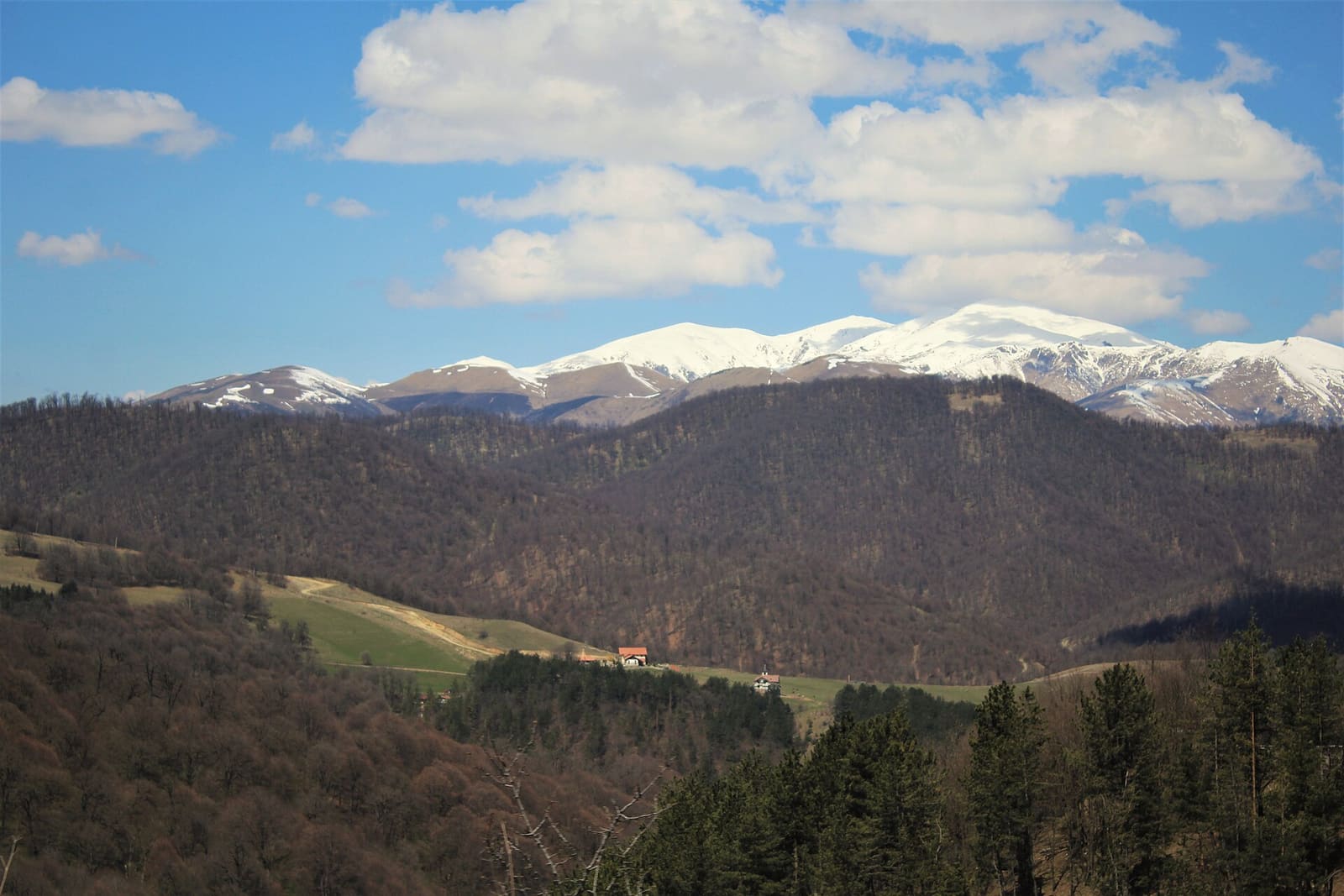
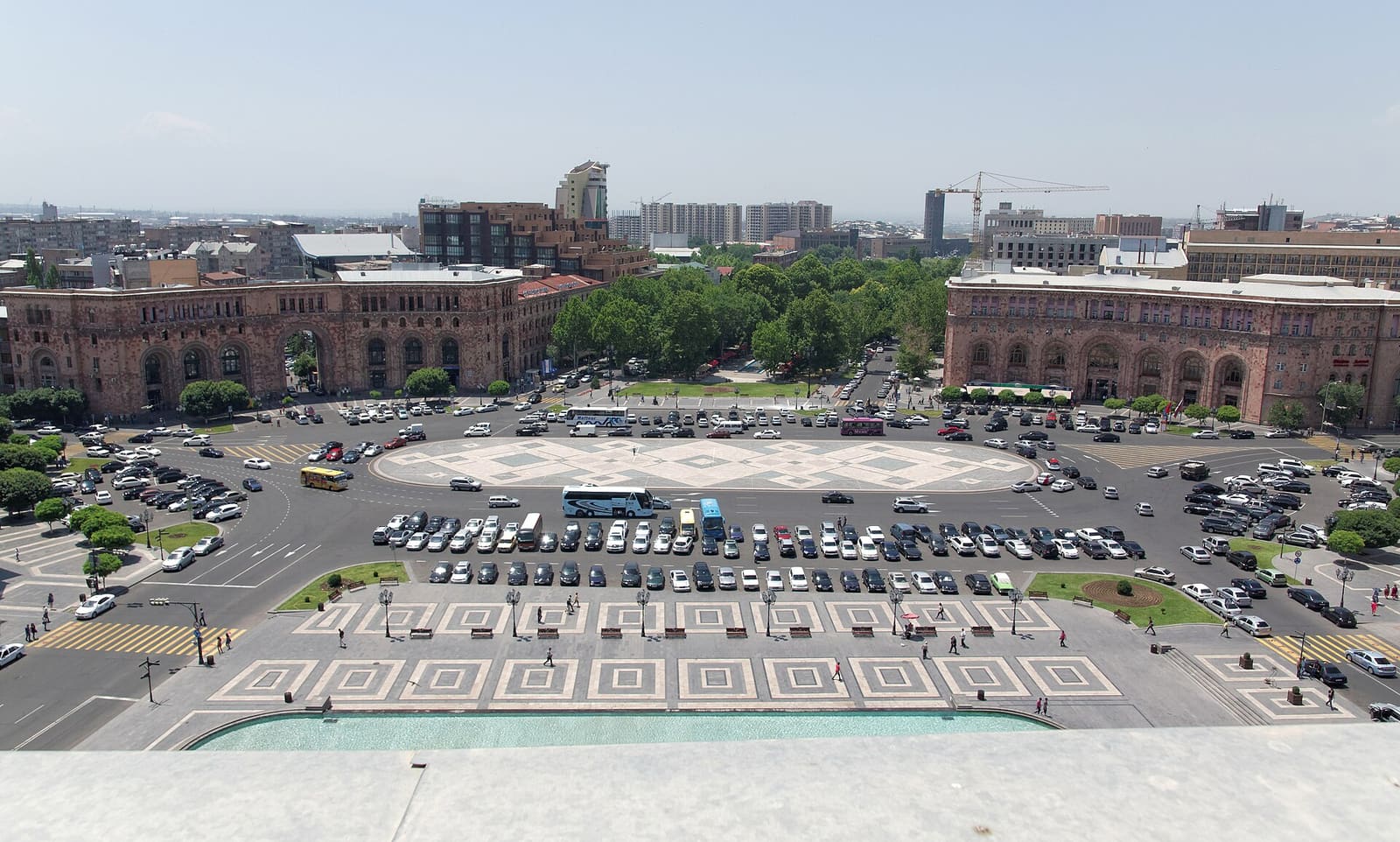
Yerevan, Armenia, is hosting COP17, the UN biodiversity summit. And the big goal the world set in 2022 is far from being met: protecting 30% of land and ocean by 2030, the famous “30x30”.
Where we are
According to Protected Planet data:
- 18.7% of land and inland waters is protected.
- Only about 10% of the ocean.
- Land protection has risen one percentage point since 2022: more than a million square kilometres.
- Just 3% of deep-sea and high-seas ecosystems is protected.
- Only 14% of threatened species have adequately secured habitat.
“Considerable acceleration is going to be needed to equitably and effectively conserve 30% of Earth by 2030,” warns Emily Howland of UNEP-WCMC.
The big obstacles
- Money: about $24 billion a year goes to protected areas; $100–180 billion is needed.
- Pledges: 132 of the 196 parties have formal land targets, which would add up to 27%. 65 countries, including the United States, have no concrete targets.
- Paper parks: in several tropical regions, 8% of protected land overlaps with oil and gas blocks and 7% with mining concessions.
The role of Indigenous peoples
A proposal under debate would let Indigenous territories count toward the 30% if communities choose.
“Just recognize our territories and we will protect the biodiversity,” says Joan Carling of Indigenous Peoples Rights International.
Critics warn that secure land tenure doesn’t automatically mean conservation. In Europe, the battle is over the nature laws Brussels wants to review.
Sources and references
This is original editorial content based on the sources cited. Spotted a mistake? Let us know and we will fix it under our corrections policy.