Scientists urge Ecuador to stop the trafficking of Galápagos marine iguanas
In August, a woman was stopped at Quito airport with 32 iguanas tied up in plastic boxes bound for Iceland. The scientists call it organised crime.
A group of scientists has published a letter in Science urging Ecuador to stop the trafficking of Galápagos marine iguanas. According to Mongabay, authorities have seized nearly 50 so far in 2026.
A one-of-a-kind lizard
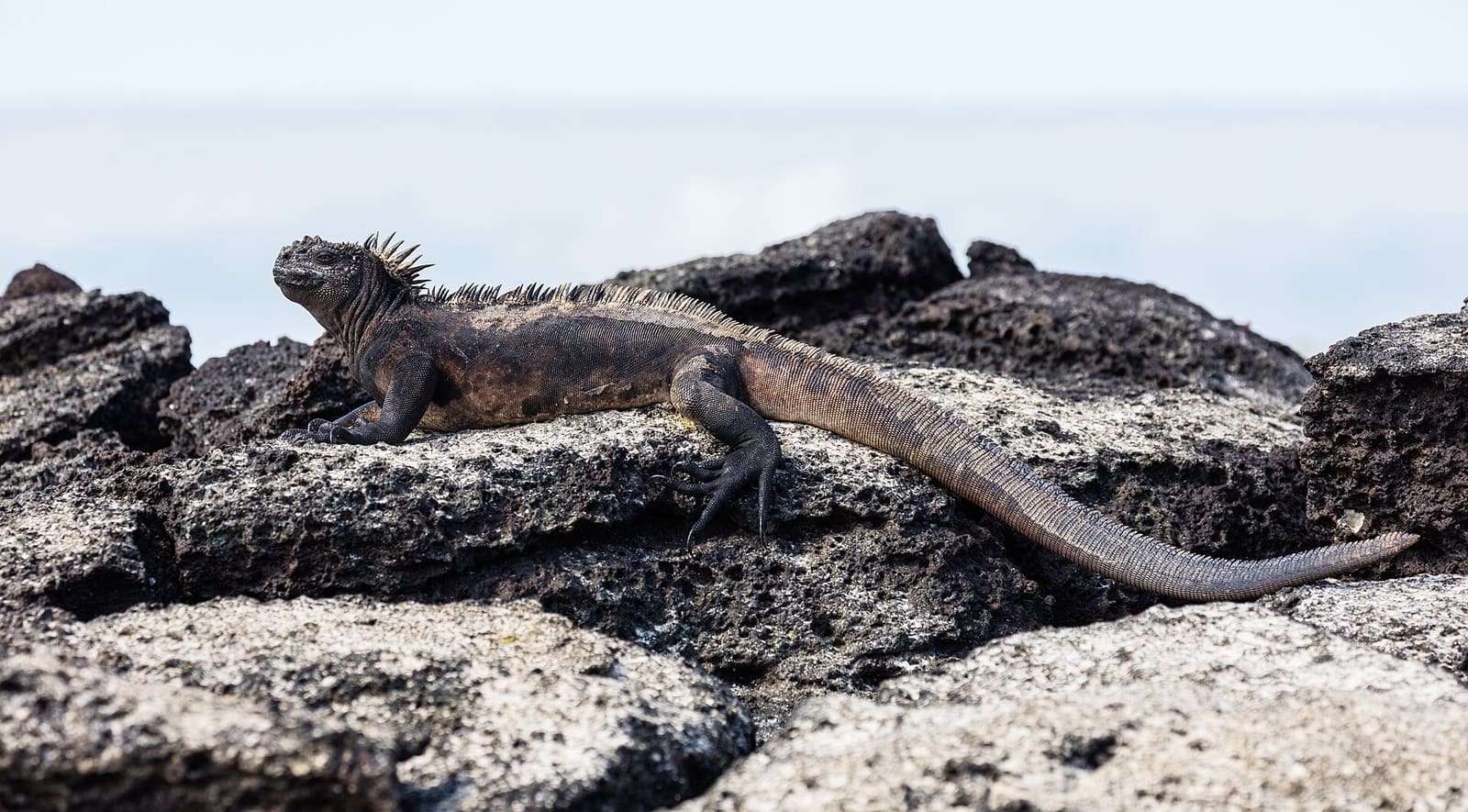
The marine iguana (Amblyrhynchus cristatus) is the only lizard in the world that swims in the sea, and it feeds on algae. It’s threatened and, since 2025, has been listed on CITES Appendix I, which bans its international trade. All four Galápagos iguana species are endemic and highly sought after as pets.
This year’s cases
| Date | What happened |
|---|---|
| May 2026 | Three Thai nationals arrested with 12 young marine iguanas bound for Asia |
| May 2026 | Four marine iguanas turned up on pavements in Guayaquil |
| August 2026 | At Quito airport, a Russian woman tried to take out 32 live iguanas, tied up and packed in eight plastic boxes, bound for Iceland |
A month later, 24 of those 32 iguanas, the survivors, were returned to the Galápagos.
Seizures are usually only a small part of the real trade. A rise could mean better enforcement or more trafficking.
What they’re asking for
“This is basically organised crime,” says Juan José Alava, of Simon Fraser University, one of the authors. The letter calls for:
- Auditing airport detection systems and the staff who oversee them.
- Dismantling smuggling networks.
- Offering other livelihoods to fishing communities, where traffickers may recruit helpers.
- Closing the loophole that lets the offspring of stolen iguanas be sold as “captive-bred”.
Ecuador has never declared exports of its endemic iguanas, yet several countries have issued permits for animals labelled captive-bred. CITES countries will discuss this month whether that trade is still legal.
Another animal in demand in the pet trade: the Bangka slow loris, a venomous primate.
Sources and references
- Mongabay – Scientists call on Ecuador to stop the rising trafficking of Galápagos iguanas (04/11/2026)
- Science – Combat Galápagos marine iguana trafficking
This is original editorial content based on the sources cited. Spotted a mistake? Let us know and we will fix it under our corrections policy.