An Instagram photo reveals the giant water lily Victoria colombiana, with perhaps 30 to 50 plants left
The expedition was about to go home almost empty-handed when Gustavo Melo, a boatman from the Tucano community, took the team at night to a lake with five plants, one in flower. The team proposes listing it as critically endangered.
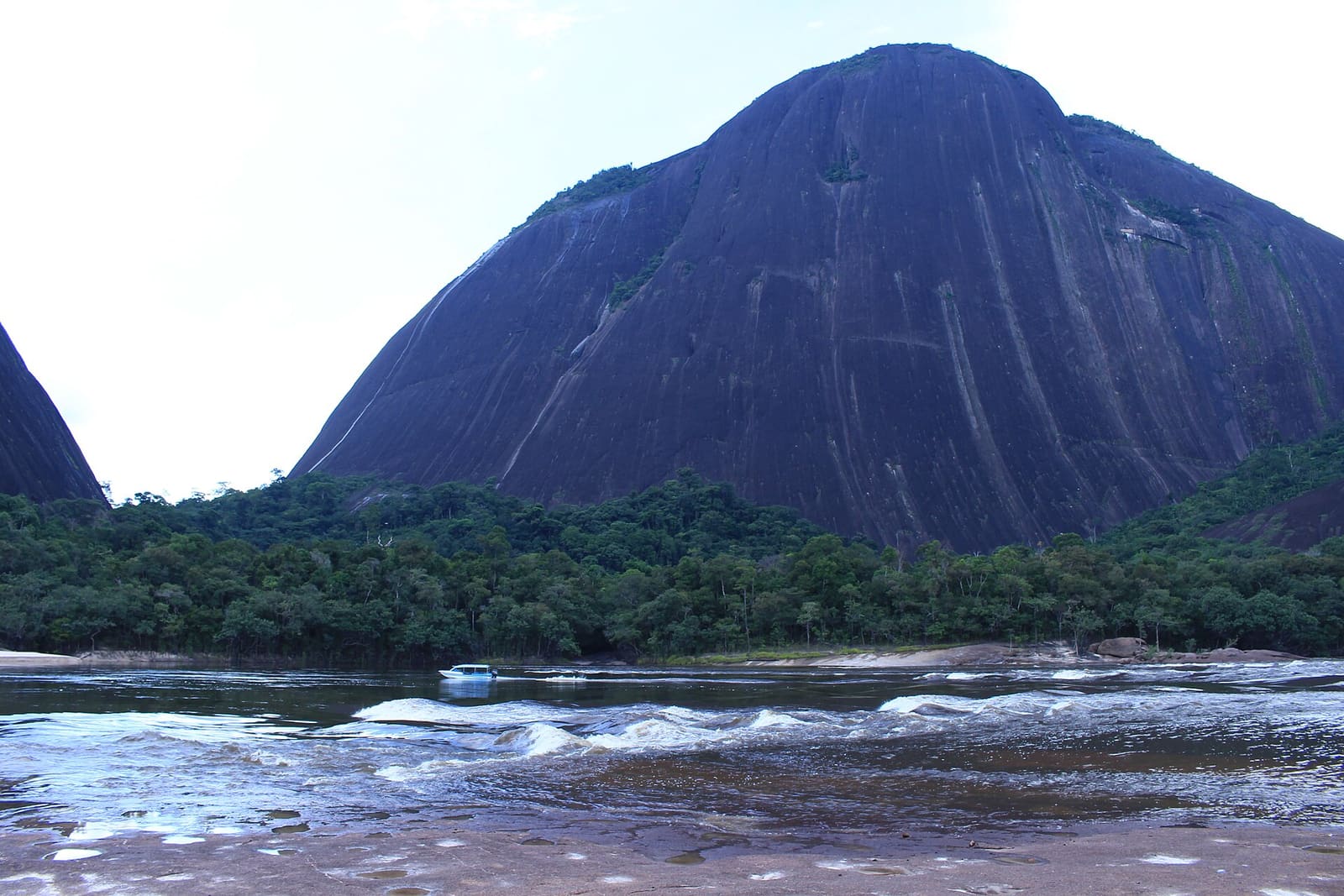
In December 2021, Jeremiah Harris, a carnivorous plant grower in the United States, posted Instagram photos of giant water lilies on Colombia’s Inírida River. He thought they were Victoria amazonica. Carlos Magdalena, a horticulturist at the Royal Botanic Gardens, Kew, found that odd: no known Victoria species lived there.
Years later, that suspicion is a species described in the journal Phytotaxa: Victoria colombiana.
A race against the clock
Magdalena located the plants using satellite images. The expedition took almost two years to prepare, with Mauricio Bernal of the Bogotá Botanical Garden and members of local Indigenous reserves.
In five days they found only two plants, neither in flower. The night before their flight home, boatman Gustavo Melo, of the Tucano community, told Magdalena he knew where there were more. They set off at 1 a.m. and, before dawn, reached a lake with five plants, one of them blooming. They made it back in time for the plane.
A species on the edge
- Researchers estimate that 30 to 50 wild plants remain.
- A geographic analysis identified a third lake with the species, and satellite images suggest there may be more in the dry season.
- According to the study’s abstract, the seeds have no known animal dispersers and can’t tolerate drying out: they travel mainly with rivers and floods.
- The team is preparing an IUCN Red List assessment proposing the “critically endangered” category. It isn’t an official classification yet.
Four species or five?
V. colombiana is the fourth species of the genus to be described, after V. amazonica, V. cruziana and V. boliviana. The same paper also proposes recognising V. mattogrossensis, from the Pantanal, which would bring the total to five.
What comes next
One idea is a naturalised population in a more accessible lake on Indigenous land, serving as a reserve and drawing ecotourism. The team also wants to collect seeds to grow the plant in Bogotá.
Another plant with a high-altitude story is the edelweiss.
Sources and references
- ECOticias – Victoria colombiana, a giant water lily, in Spanish (02/11/2026)
- Popular Science – New water lily can be seen from space (18/10/2026)
This is original editorial content based on the sources cited. Spotted a mistake? Let us know and we will fix it under our corrections policy.