Antarctica is turning green, but only 21.4% of its vegetation is protected
Using satellite imagery, researchers mapped the frozen continent's vegetation: mosses, lichens and just two flowering plants. Most of it lies outside protected areas.
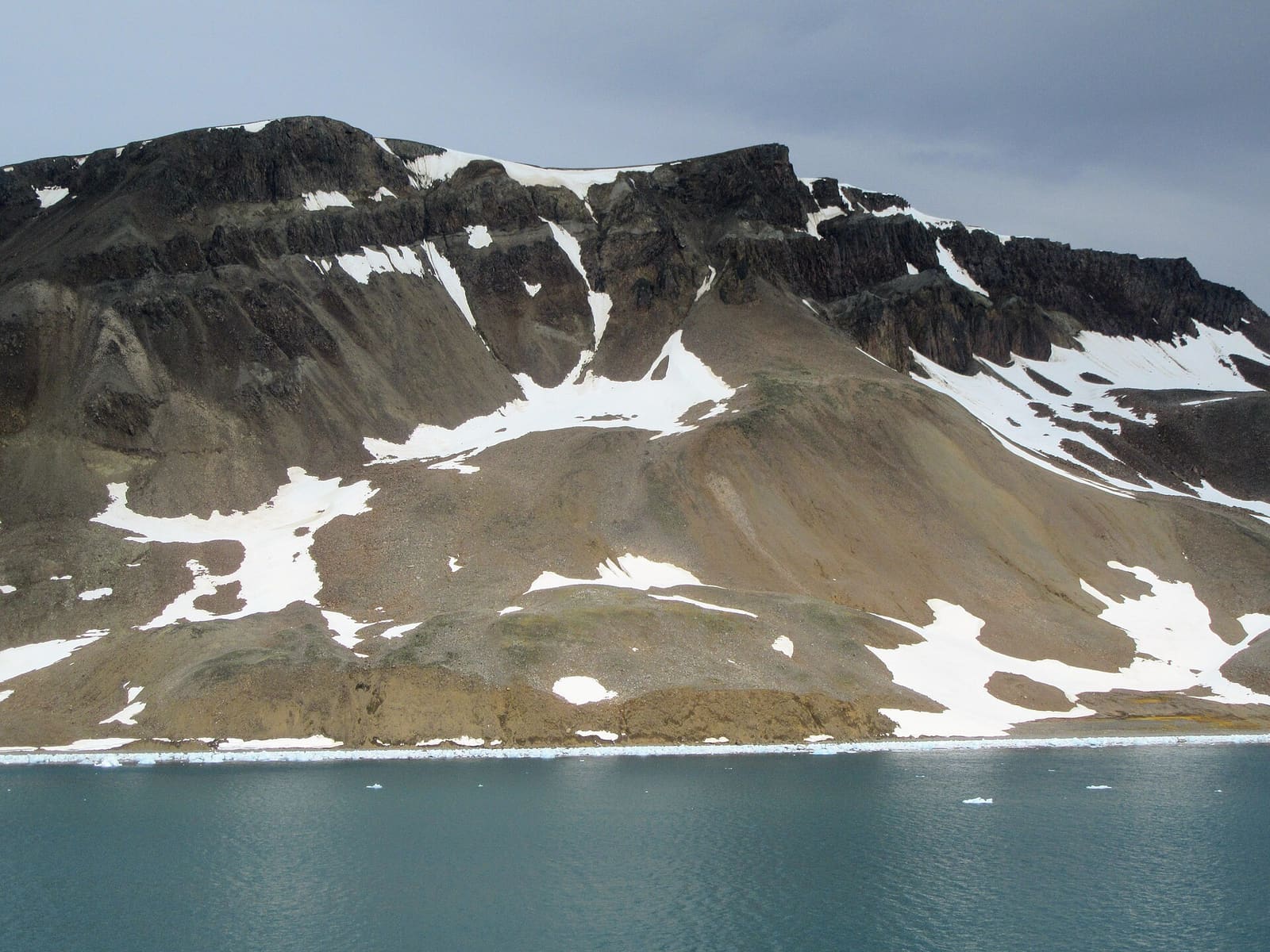
Antarctica isn’t just ice. On its coasts and snow-free rocks lives tiny but precious vegetation: two flowering plants, about 150 moss species and some 400 lichens. A study in Biological Conservation reveals that only 21.4% of it lies within protected areas.
A map from space
The work, led by the University of Edinburgh with Catalonia’s CREAF, combined high-resolution satellite imagery with several criteria: the risk of invasive species arriving, how irreplaceable the plant communities are, and their proximity to research stations.
“Large areas of this vegetation fall outside the existing network of protected areas,” warns lead author Charlotte Walshaw.
92 priority sites
The researchers propose protecting 92 sites, about 44 km² in all, mainly on the Fildes Peninsula, in Taylor Valley and the Vestfold Hills. The proposal has been submitted to the Antarctic Treaty’s Committee for Environmental Protection.
A continent turning green
This vegetation isn’t just rare: it plays a part in the carbon and water cycles and shelters insects and microorganisms. And it’s changing fast. A 2024 study in Nature Geoscience found vegetated area on the Antarctic Peninsula grew from under 1 km² in 1986 to almost 12 km² in 2021, almost 14 times more, because of warming.
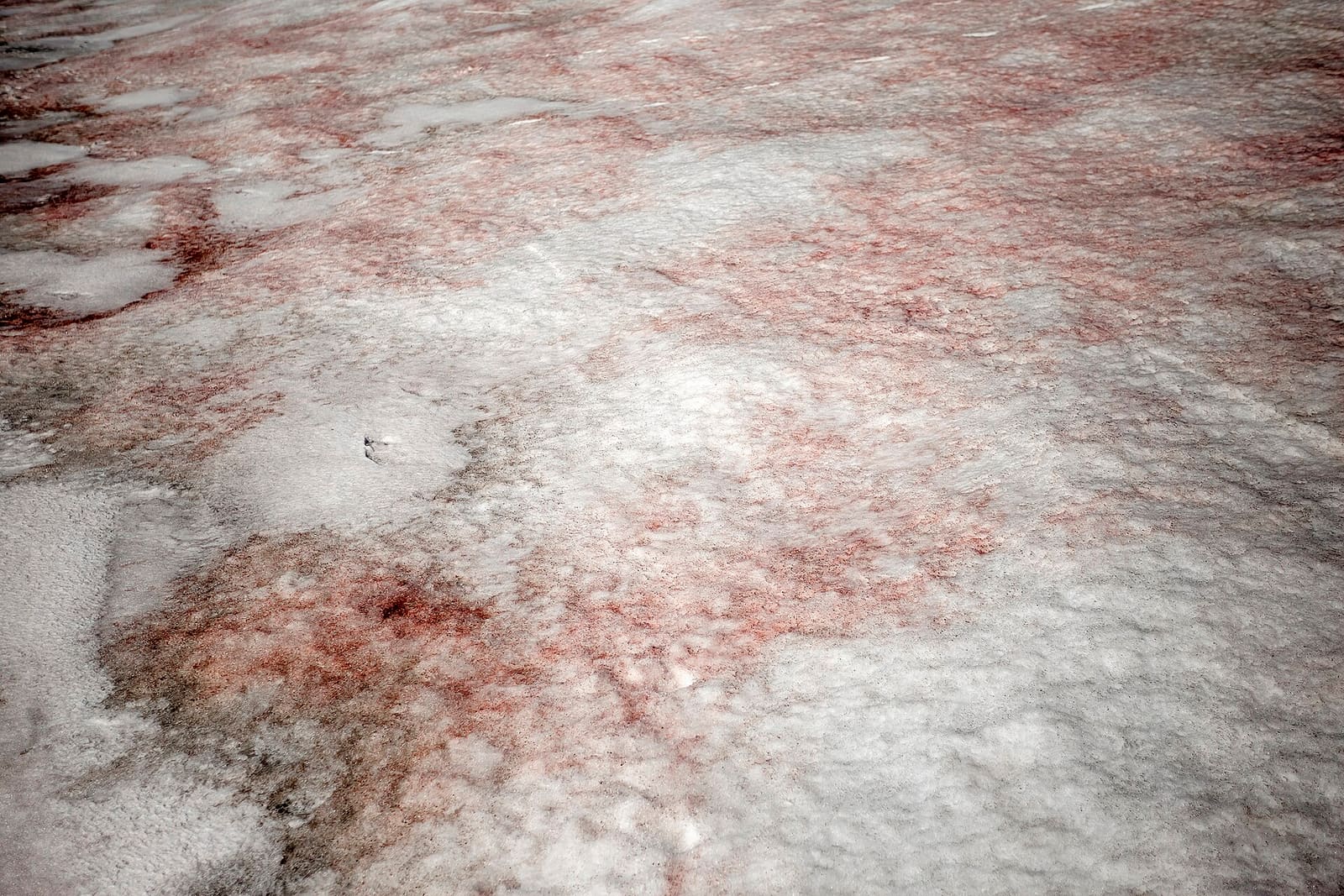
That greening isn’t good news: it shows the continent’s climate is changing and opens the door to invasive species. We explain more in places that could change radically this century. Another striking sign of melt is the algae that tint the snow: red snow.
Sources and references
This is original editorial content based on the sources cited. Spotted a mistake? Let us know and we will fix it under our corrections policy.