The UN opens the door to a global treaty against environmental crime
Driven by eight Latin American and three African countries, the proposal passed with 83 votes in favour, 12 against and 27 abstentions. A committee will now draft the text, and Indigenous peoples want a seat at the table.
Wildlife trafficking, illegal logging and clandestine mining could soon have their own international treaty. On Friday 23 October, in Vienna, the parties to the UN Convention against Transnational Organized Crime (UNTOC) voted to open negotiations on a protocol against environmental crime.
The vote
- 83 in favour, 12 against and 27 abstentions.
- The proposal was sponsored by eight Latin American countries (Bolivia, Brazil, Colombia, Costa Rica, Ecuador, Panama, Peru and Uruguay) and three African ones (Mauritania, the Democratic Republic of the Congo and São Tomé and Príncipe).
- Those voting against included the United States, Venezuela, Argentina, Iran and Saudi Arabia. The US tabled three amendments to delay the vote or limit funding; none passed.
Brazil called the decision “historic”.
What it would cover
The future protocol would address:
- Trafficking in wildlife and flora, including timber.
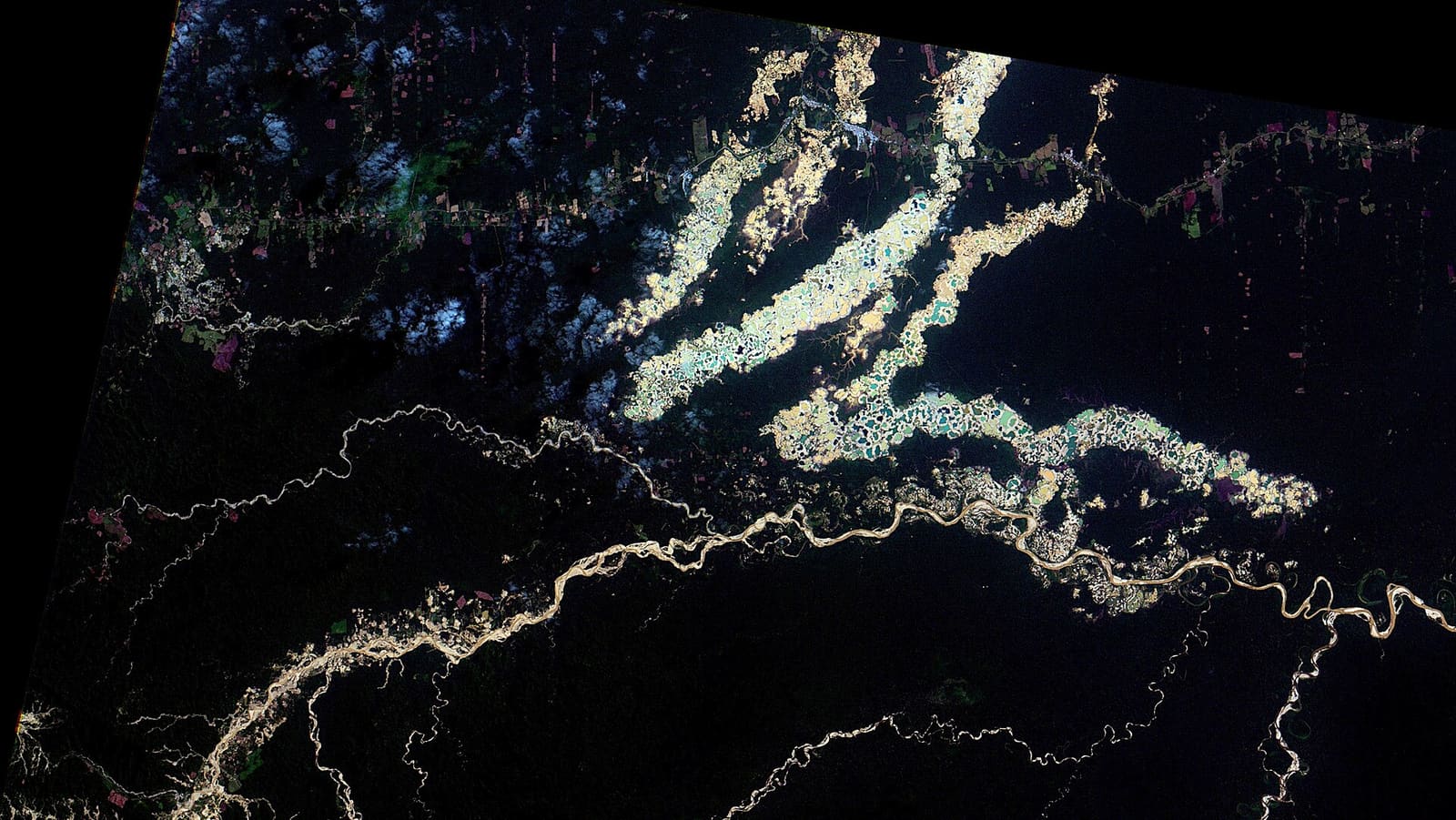
- Illegal mining and trafficking in minerals and precious metals.
- Waste trafficking.
The aim is to strengthen prevention, investigation and prosecution of the criminal networks involved. The text must respect each country’s sovereignty over its natural resources and avoid overlapping with existing environmental agreements.
What’s still missing
The vote doesn’t approve the protocol: it sets up a special committee to draft it, with no timeline yet. One of the big open questions is the role of Indigenous peoples, who are mentioned in the resolution but given no mechanism to take part.
“Without us, Indigenous peoples, there is no security in the Amazon,” warned Brayan Mojanasinsoy, spokesperson for the Inga people of Putumayo, Colombia.
Wildlife trafficking moves animals around the globe, as we saw with the sloths that died in Florida. A global treaty won’t solve it alone, but it would give police and judges common tools to go after the networks behind it.
Sources and references
This is original editorial content based on the sources cited. Spotted a mistake? Let us know and we will fix it under our corrections policy.