Bangladesh's hornbills targeted by hunters during breeding season
The female seals herself into a tree hole and the male brings her food: a habit that gives the nest away. Chicks end up in the illegal trade and adults are killed for their casques.

Hornbills have one of the strangest breeding strategies in the animal kingdom: the female seals herself inside a tree cavity, closing the entrance with mud and droppings, and the male feeds her through a narrow slit for weeks. In Bangladesh, that habit has become their downfall.
An easy nest to find
Hunters have learned to follow the male to the nest. Once they find it, both the female and the chicks, which can’t yet fly, are within reach, explains researcher Humayra Mahmud of Noakhali Science and Technology University.
According to cases compiled by Mongabay:
- At least 26 hornbills (14 great and 12 oriental pied) were rescued in 12 cases from 2023 to 2026, nearly all chicks taken from nests.
- A chick can sell for up to 100,000 taka (about $800) after passing through several hands, according to the Forest Department’s wildlife crime unit.
- Adults are rarely rescued alive: they’re killed for their casque and bill, trafficked as trophies and used in ornaments and traditional medicine.
Three protected species
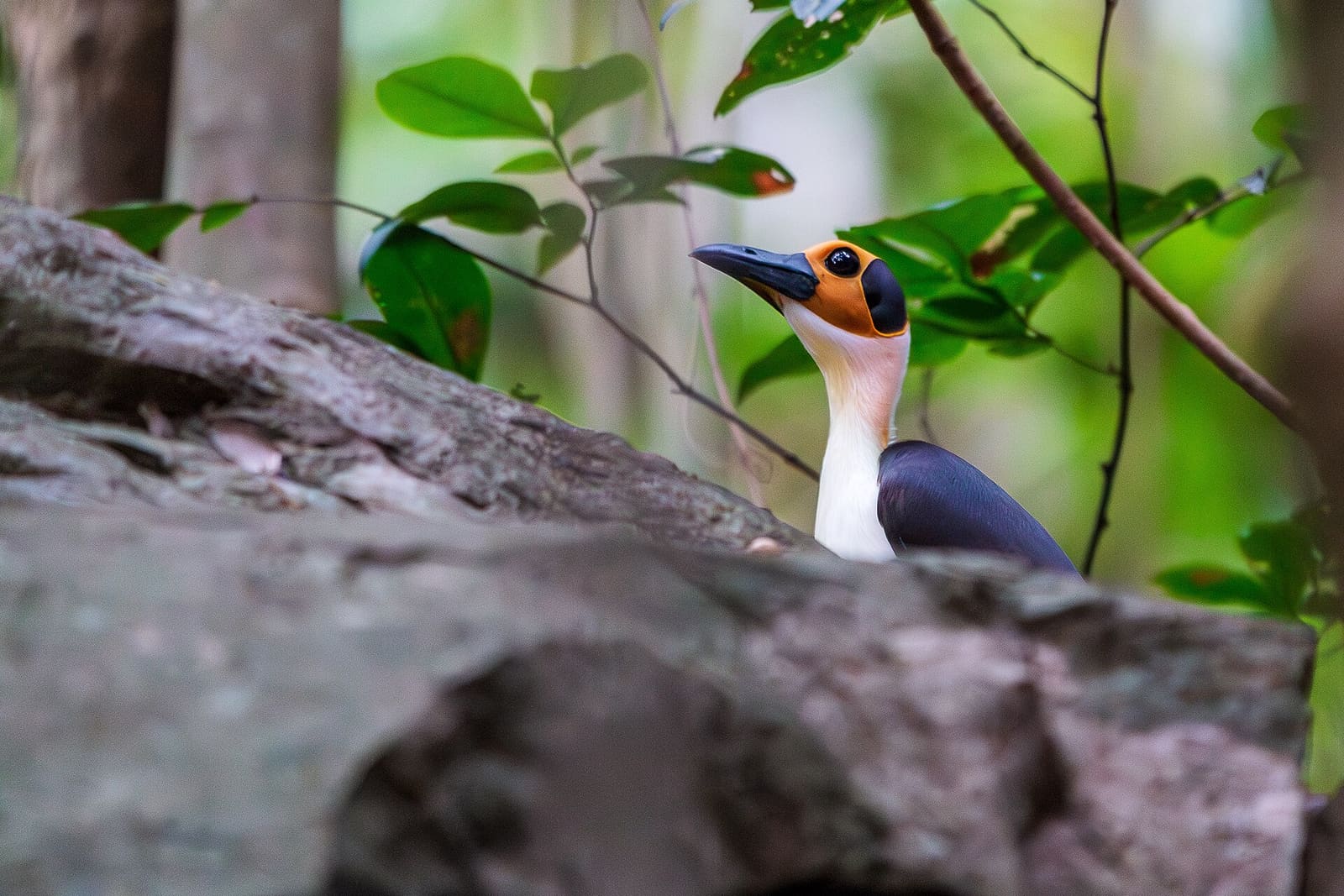
Bangladesh is home to the great hornbill (Buceros bicornis), the oriental pied hornbill (Anthracoceros albirostris) and the wreathed hornbill (Rhyticeros undulatus). All are protected by law and live mainly in the country’s south-eastern forests, such as Bandarban and Cox’s Bazar.
“Local poachers have learned the breeding behavior of hornbills” and exploit it, says Shahriar Caesar Rahman of the Creative Conservation Alliance.
Gardeners of the forest
Hornbills disperse seeds over long distances and help forests regenerate. That’s why experts are calling for prosecution of traffickers and awareness among communities living near hornbill forests. Wildlife trafficking is one of the crimes targeted by the protocol the UN will negotiate.
Sources and references
This is original editorial content based on the sources cited. Spotted a mistake? Let us know and we will fix it under our corrections policy.