Camera captures a Canada lynx in New Mexico, the first documented there in 25 years
William Grooms found it while sorting photos from a study with 120 sampling sites. The record could influence how forests thinned against wildfire are managed.
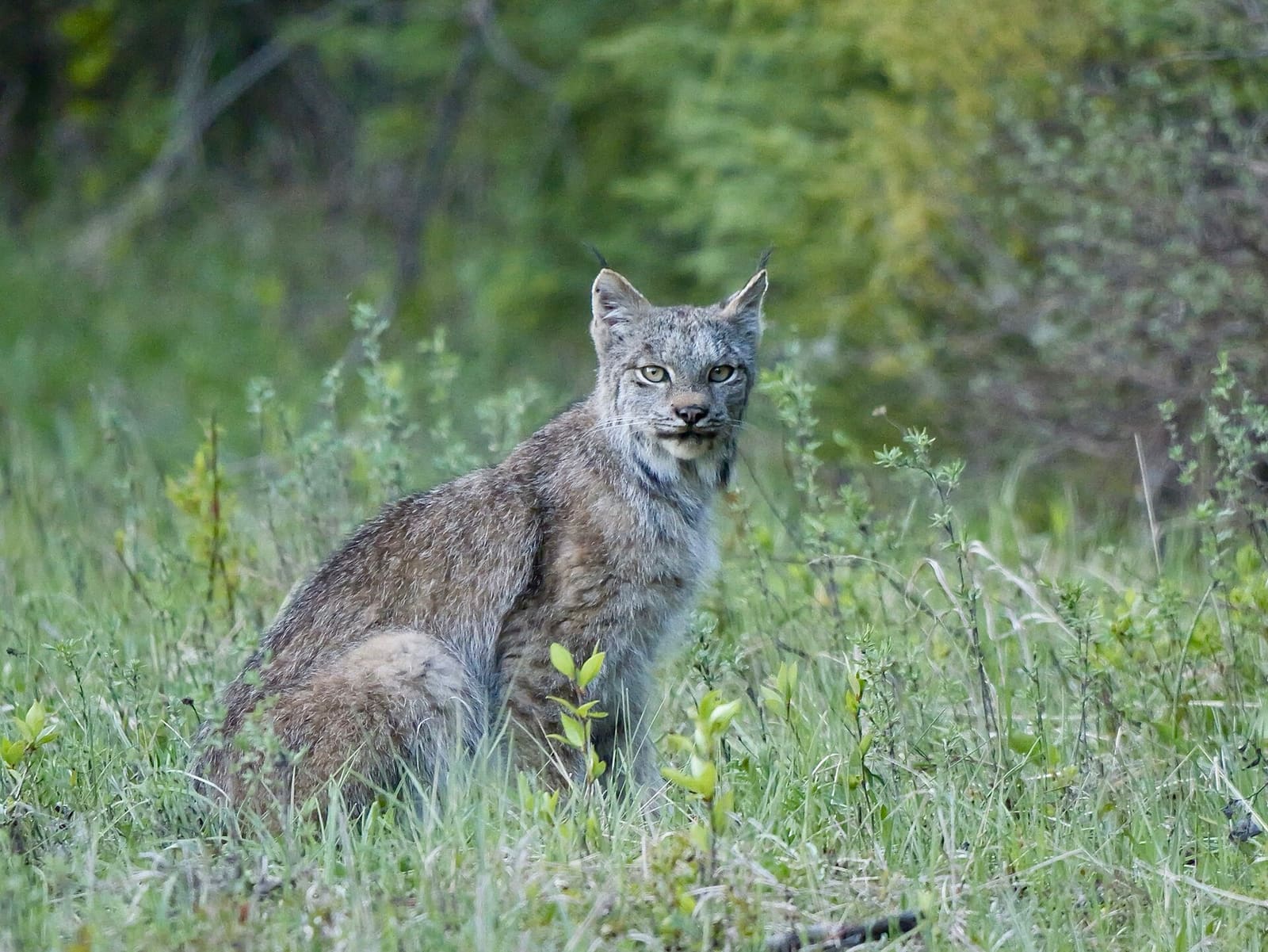
Sorting through photos from a forest study, a Ph.D. student got a surprise: a Canada lynx in Carson National Forest, in northern New Mexico. New Mexico State University (NMSU) says it’s the first documented in the state in about 25 years.
How it turned up
The motion-activated camera caught the cat in June 2026. It was part of a study led by William Grooms, an NMSU Ph.D. student, with the group Wildlands Network, using cameras at 120 sites to see how forest structure affects ten species. KFOX14 reports the camera was in the San Juan Mountains, which straddle the New Mexico-Colorado border.
The photos went to experts for confirmation. Grooms says the team is “confident it’s a lynx – no question about it.”
Where did it come from?
The source doesn’t say for this individual, but there’s a clue. Colorado released lynx in the San Juans from 1999 to 2006, and in 2008 the US Fish and Wildlife Service wrote that lynx seen in northern New Mexico were believed to be dispersers from there.
Why one photo matters
The species weighs up to about 9 kg and has been listed as threatened since 2000. It lives in dense spruce-fir forests, hunting snowshoe hares. That’s the catch: Grooms notes these stands are often targeted for thinning to reduce wildfire risk.
Jennifer Frey, an NMSU professor, says the photo may affect how state and federal governments manage the species and its habitat. In July 2026 a revised critical habitat of about 14,030 square miles was finalized in Colorado, Idaho, Montana and Washington, but the New Mexico areas proposed in 2024 were left out.
The team returns to the field in summer 2027.
Sometimes a single camera trap redraws a species’ map, and with it the decisions made about its forest.
Sources and references
This is original editorial content based on the sources cited. Spotted a mistake? Let us know and we will fix it under our corrections policy.