Googly-eyed buoys and hawk-shaped kites: the simple trick that saves seabirds from nets
Ten Cornish fishers tested two simple devices on more than 1,000 nets for a year and a half. The result: far fewer diving seabirds drowned. Bycatch 'is not inevitable', the authors say.
Sometimes conservation has surprisingly simple answers. A study published in Conservation Letters shows that kites shaped like birds of prey and buoys with painted eyes sharply reduce the number of seabirds that drown in gillnets.
The problem
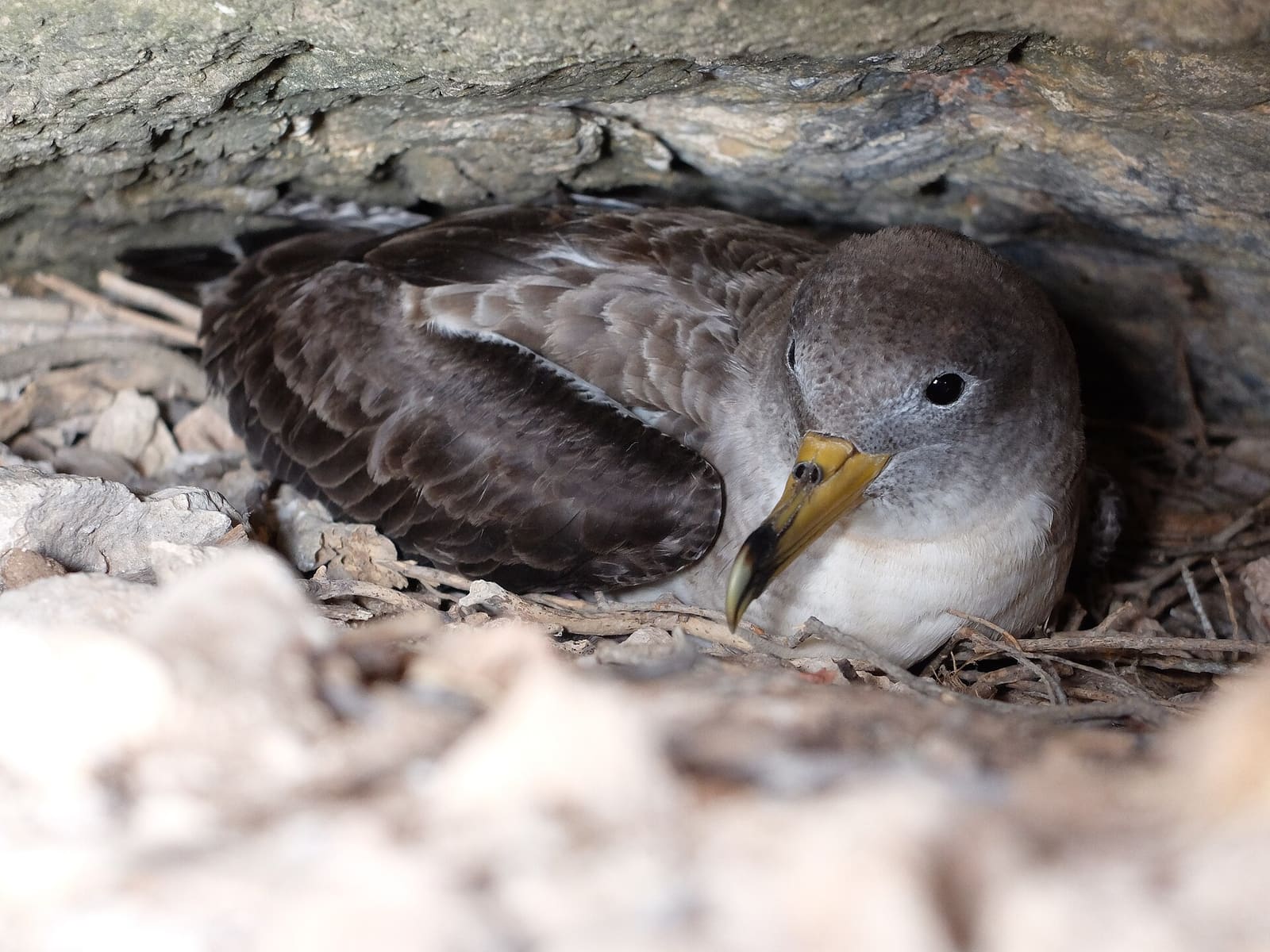
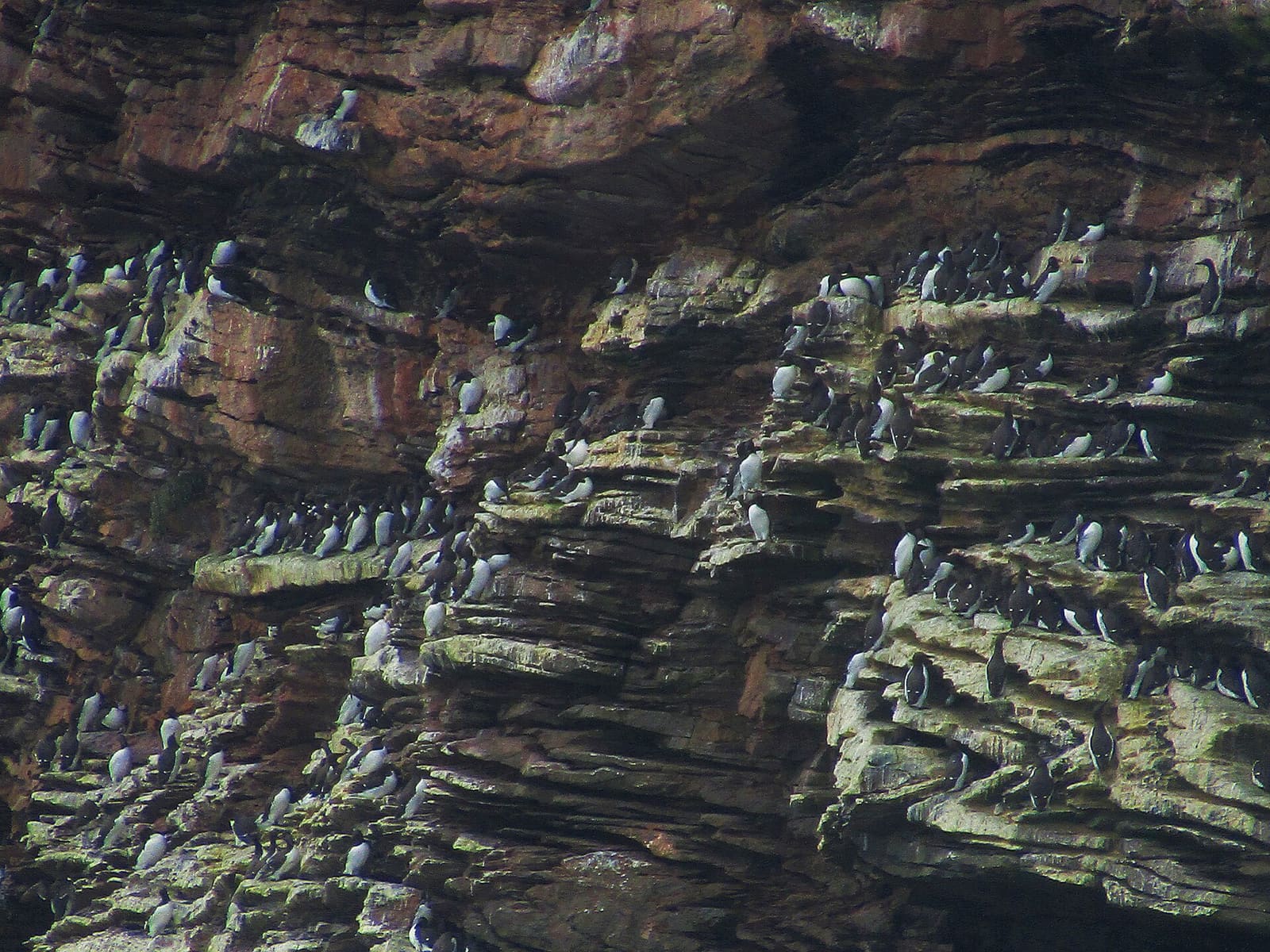
Gillnets are walls of near-invisible mesh underwater. Birds that dive to fish, such as guillemots and razorbills, get tangled and drown. A 2024 review estimated these nets kill more than 95,000 seabirds a year in the Baltic Sea and Northeast Atlantic alone. Around 31,000 common guillemots die as bycatch in European fisheries every year.
The experiment
The team, led by Tom Horton of the University of Exeter, with the RSPB and Fishtek Marine, worked with ten fishers in Cornwall, south-west England:
- Between October 2023 and March 2025 they set more than 1,000 nets, about 129 kilometres in total.
- Each net with a deterrent was paired with one without, at least 200 metres away.
- Cameras and GPS recorded every haul.
The results
| Deterrent | Reduction in guillemot and razorbill catch |
|---|---|
| Hawk-shaped kite | 71% |
| Spinning looming-eye buoy | 59% |
Kites worked best within about 30 metres; buoys were moderately effective over a wider area. Bycatch peaked in January and February, in sea bass and mackerel nets.
“One of the key messages from the study is that bycatch is not an inevitable consequence of fishing,” says Horton.
It isn’t a perfect fix: kites struggle in very light winds and are hard to handle in strong ones, and a Danish study found the buoys’ effect faded after about a month. Even so, it opens a cheap way to fish without killing birds.
Sources and references
This is original editorial content based on the sources cited. Spotted a mistake? Let us know and we will fix it under our corrections policy.