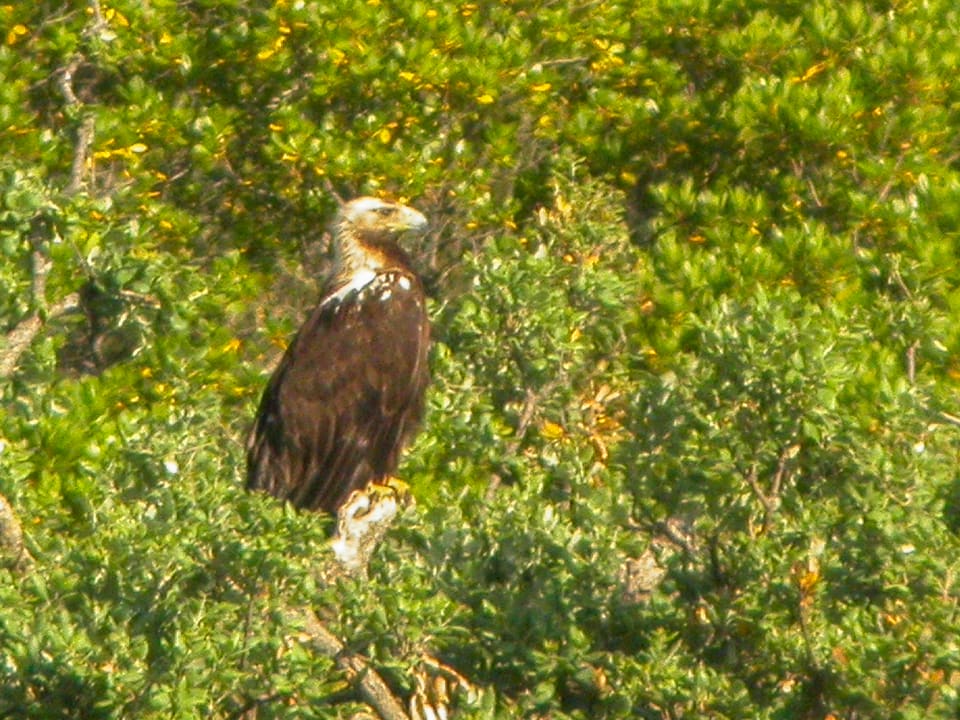
Cranes and storks are cutting their migration short: more and more winter in Europe
At Gallocanta, the cranes' spring migration is moving 3.7 days earlier per decade. Adult Spanish storks now winter at home, drawn by landfills and rice fields.
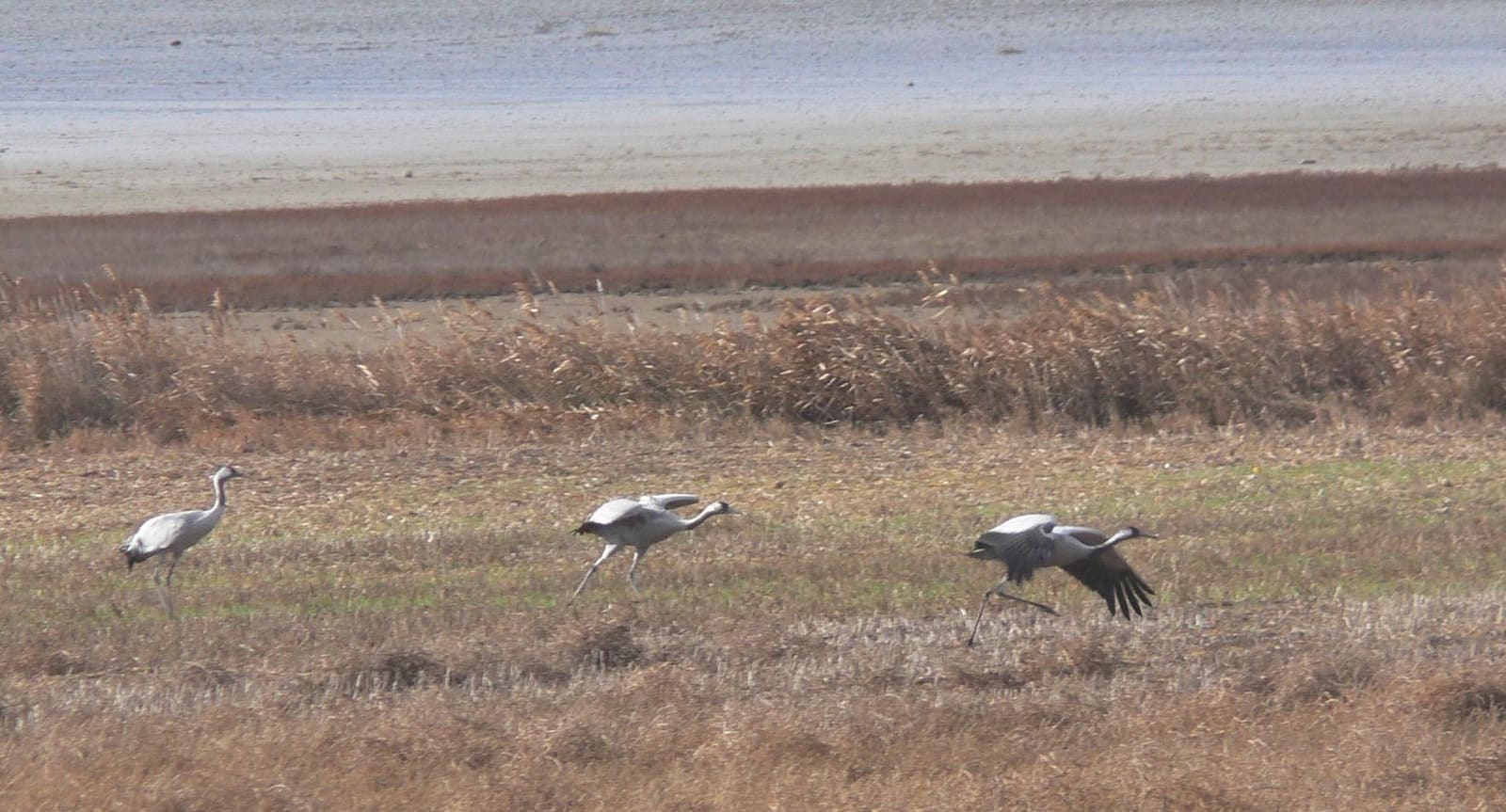
Autumn brings the spectacle of cranes, but their journeys are changing. Several studies and counts reported this week show that cranes and storks are shortening their migration, with more of them spending the winter further north.
Cranes: more in France and Germany
- Spain is still key: it hosted 63.8% to 76.4% of the western-flyway cranes in winter 2022–2023 (183,653 in December and 190,743 in January), according to Aragón’s public company SARGA.
- But France held about 99,300 in December 2022, mainly in Les Landes and Lake Der, and Germany has an “ever larger” contingent.
- In January 2026, German conservation group NABU tracked thousands of cranes that only moved on to France when snow and cold arrived.
Gallocanta, a barometer of change
A study in Avian Conservation and Ecology analysed counts at Gallocanta lagoon (Aragón) from 1973 to 2018:
- Mean annual temperature rose 0.3 °C per decade.
- The spring migration peak moved 3.7 days earlier per decade.
- Cranes wintering there rose from 1% to 40% of the autumn maximum, linked mainly to water levels.
The authors see a clear link to spring temperatures and expect further shifts.
Storks: no longer going to Africa
SEO/BirdLife’s Migra programme GPS-tracked 79 white storks. The conclusion: adult Spanish storks now winter mainly in Spain; only young birds still fly to the Sahel. The main reason is human-made food: landfills and rice fields.
There’s a downside. The 2026 census preview counts 33,500–34,000 pairs, down from about 42,000 in 2014. Extremadura has lost more than 2,500 nests, and in some places closing a landfill wiped out whole colonies. SEO/BirdLife calls landfills “ecological traps”: some birds die from poisoning or tangled in rope and rubber.
Migratory birds mirror the climate and how we use the land: when their journeys change, something around us is changing.
Want to see cranes this autumn? Gallocanta and Extremadura are among Europe’s best spots. Bring binoculars and keep your distance.
Sources and references
- ECOticias – Las grullas y cigüeñas acortan su migración de invierno en Europa (27/10/2026)
- SEO/BirdLife
This is original editorial content based on the sources cited. Spotted a mistake? Let us know and we will fix it under our corrections policy.