Soil fungi and bacteria become a new yardstick for burned forest recovery
In the Sierra de la Culebra, La Paramera, Arlanza and Sierra de Francia, areas treated with straw mulch, wood chips or small check dams show greater fungal diversity.
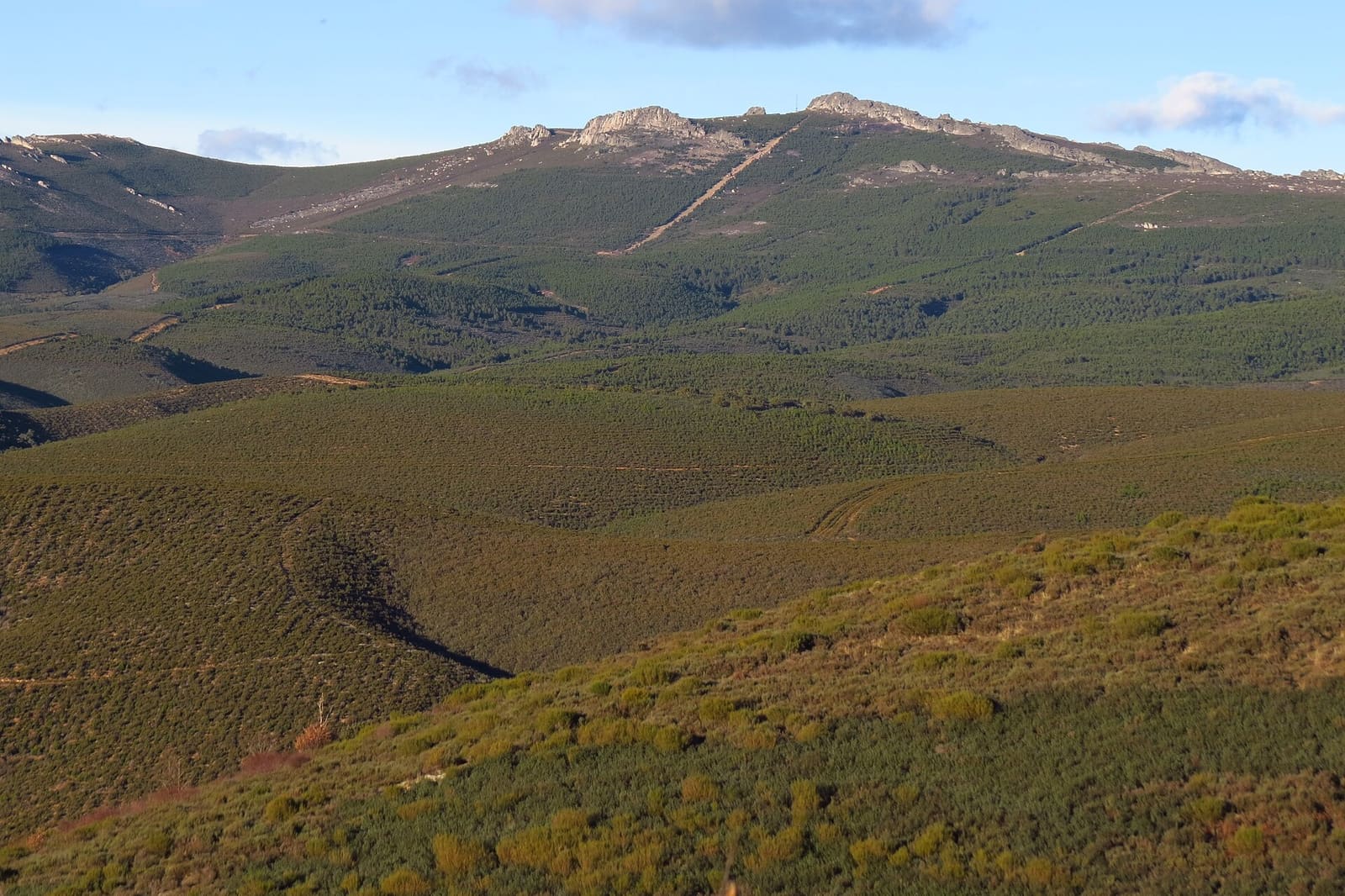
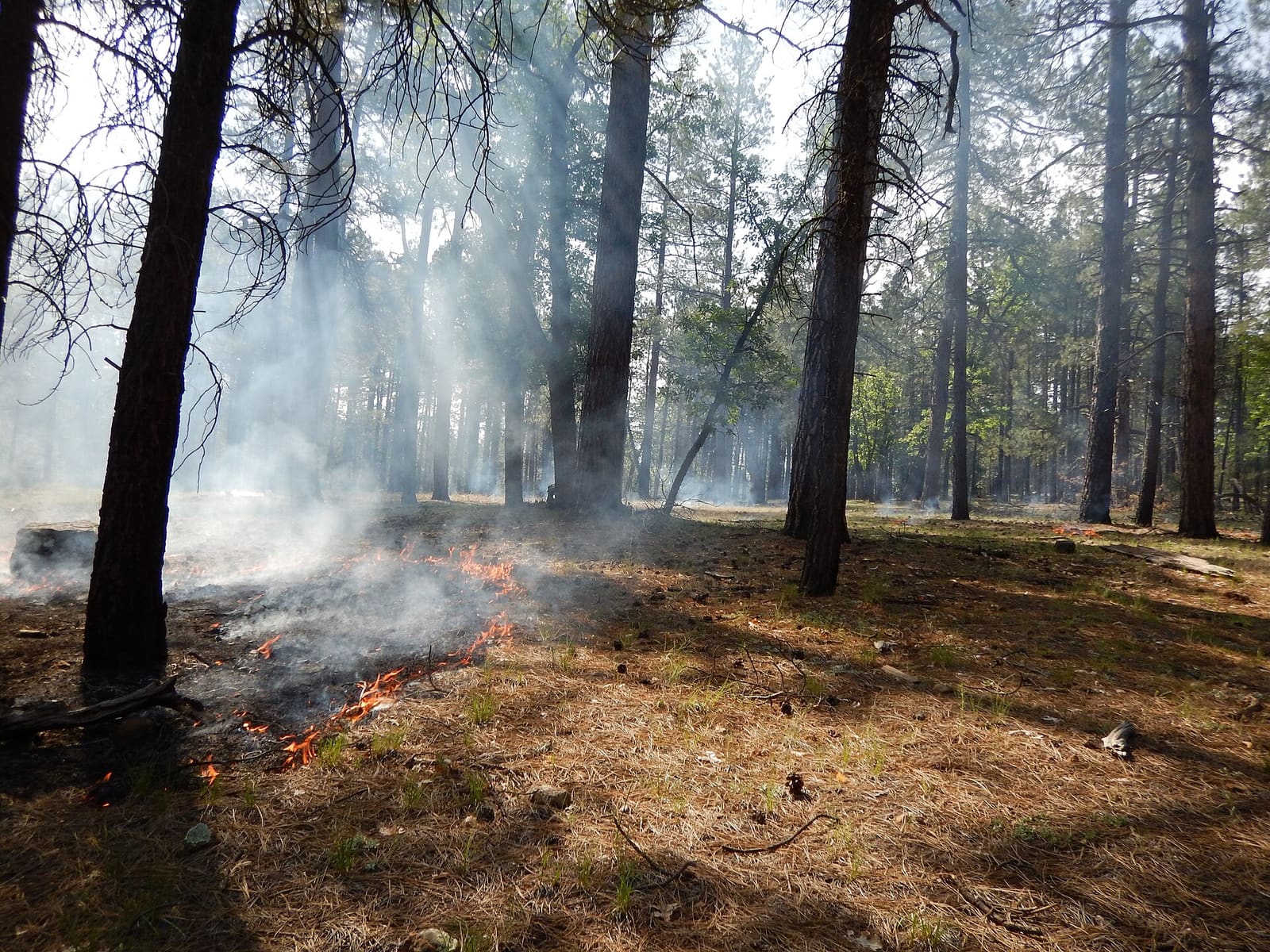
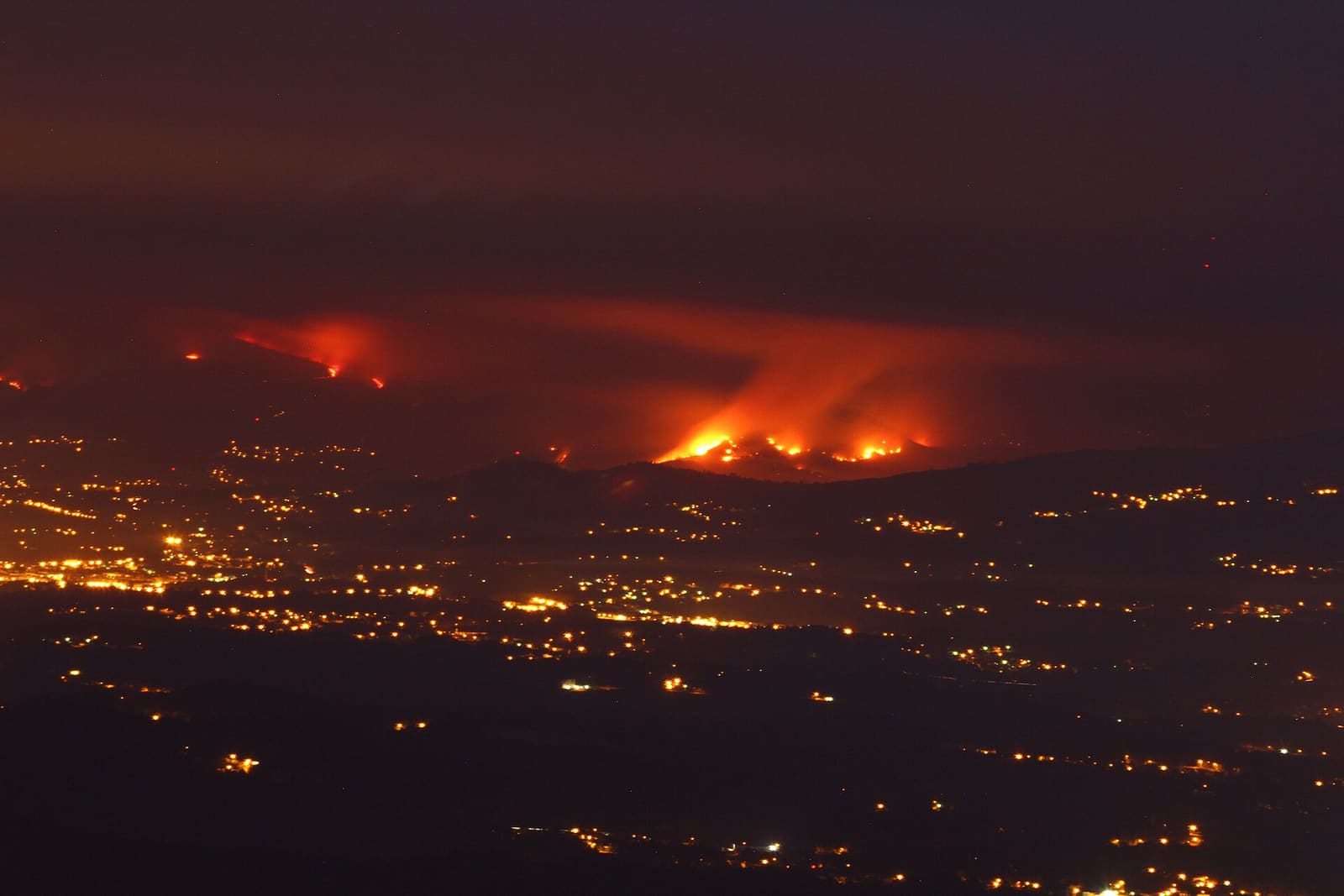
When a forest burns, we see the charred trees. But much of its life is underground. A study for the Castilla y León regional government has, for the first time, measured how emergency and restoration work after wildfires helps bring back soil life.
Where and how
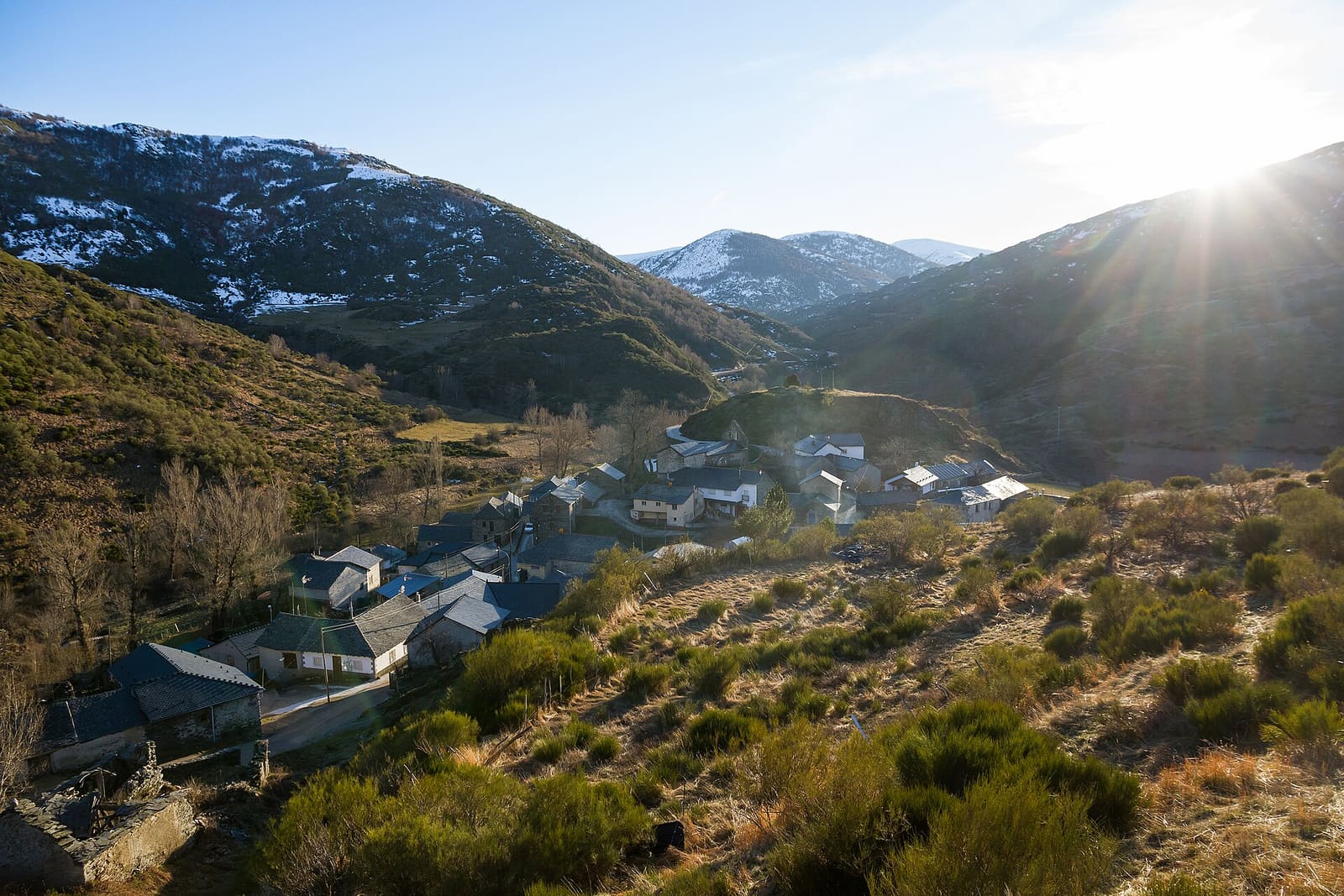
Over one year, the firms IDForest, Zenit Ingeniería and Air Medio Ambiente studied areas hit by major fires in four provinces:
- Zamora: Sierra de la Culebra.
- Ávila: Sierra de la Paramera.
- Burgos: Quintanilla del Coco and the Sabinares del Arlanza-La Yecla Natural Park.
- Salamanca: Sierra de Francia.
What’s new is using soil fungi and bacteria (the microbiota) as an indicator, alongside the classic ones: plant growth and erosion control.
The techniques compared
- Straw mulch and chipped burned wood: they curb erosion, add organic matter and favour decomposing microorganisms.
- Check dams (albarradas): small stone or earth barriers that hold soil and moisture and trap sediment rich in fungi.
The result: treated areas show greater fungal diversity and high bacterial richness, which help plants obtain water and nutrients.
Why it matters
According to a 2023 study in PNAS, soil is home to about 59% of the planet’s species. The findings will go into a good-practice manual to decide where and how to intervene after a fire.
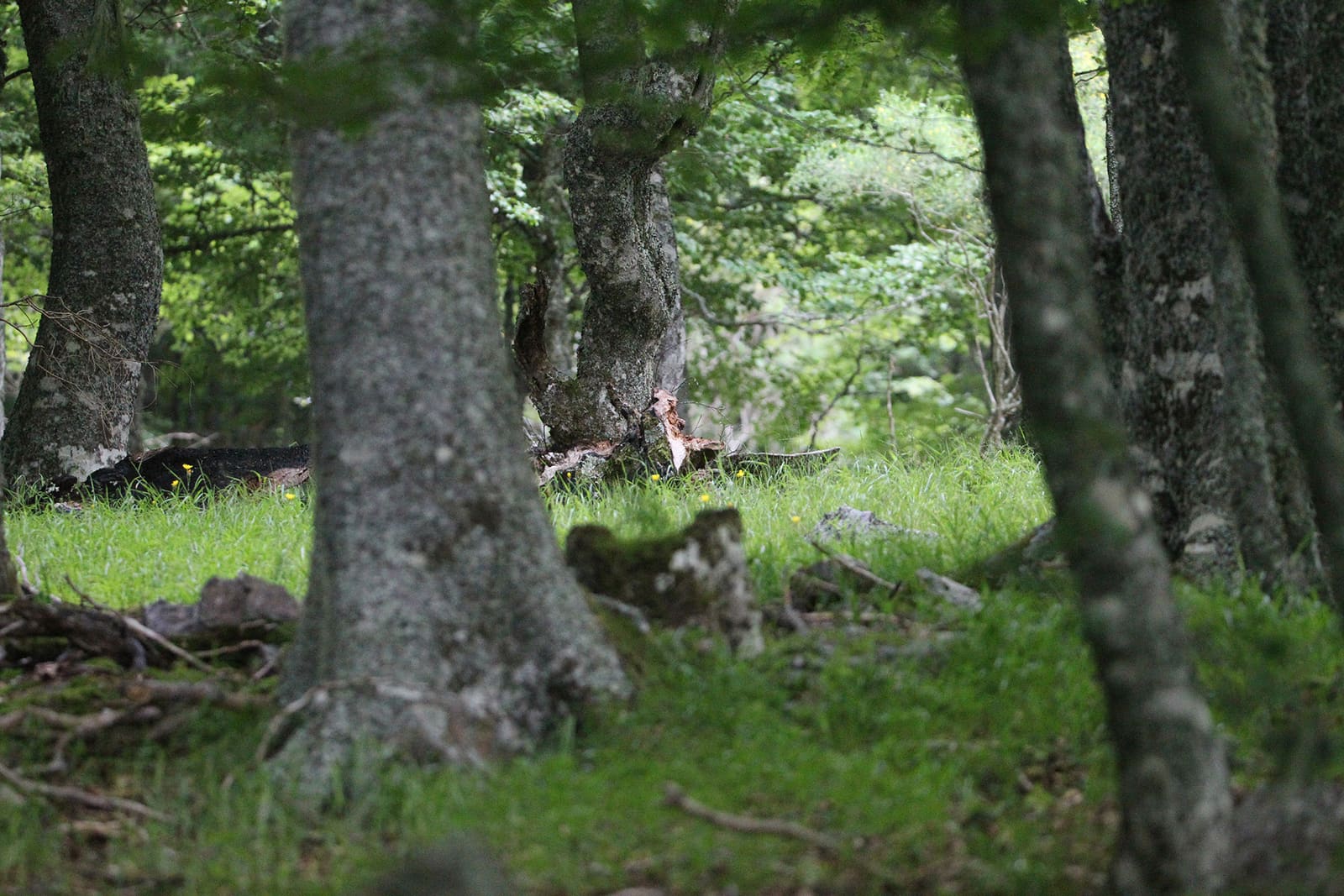
A forest doesn’t recover just by planting trees: without living soil, no forest lasts.
Soil fungi are also what links trees to each other, as we explain in did you know trees are connected by fungi?.
Sources and references
This is original editorial content based on the sources cited. Spotted a mistake? Let us know and we will fix it under our corrections policy.