A satellite measured 15,330 ice cliffs: the tallest collapse faster than models predicted
The tallest reached 127 metres. When they retreated, they did so faster than expected, but then stabilised. A key piece for calculating sea level rise.
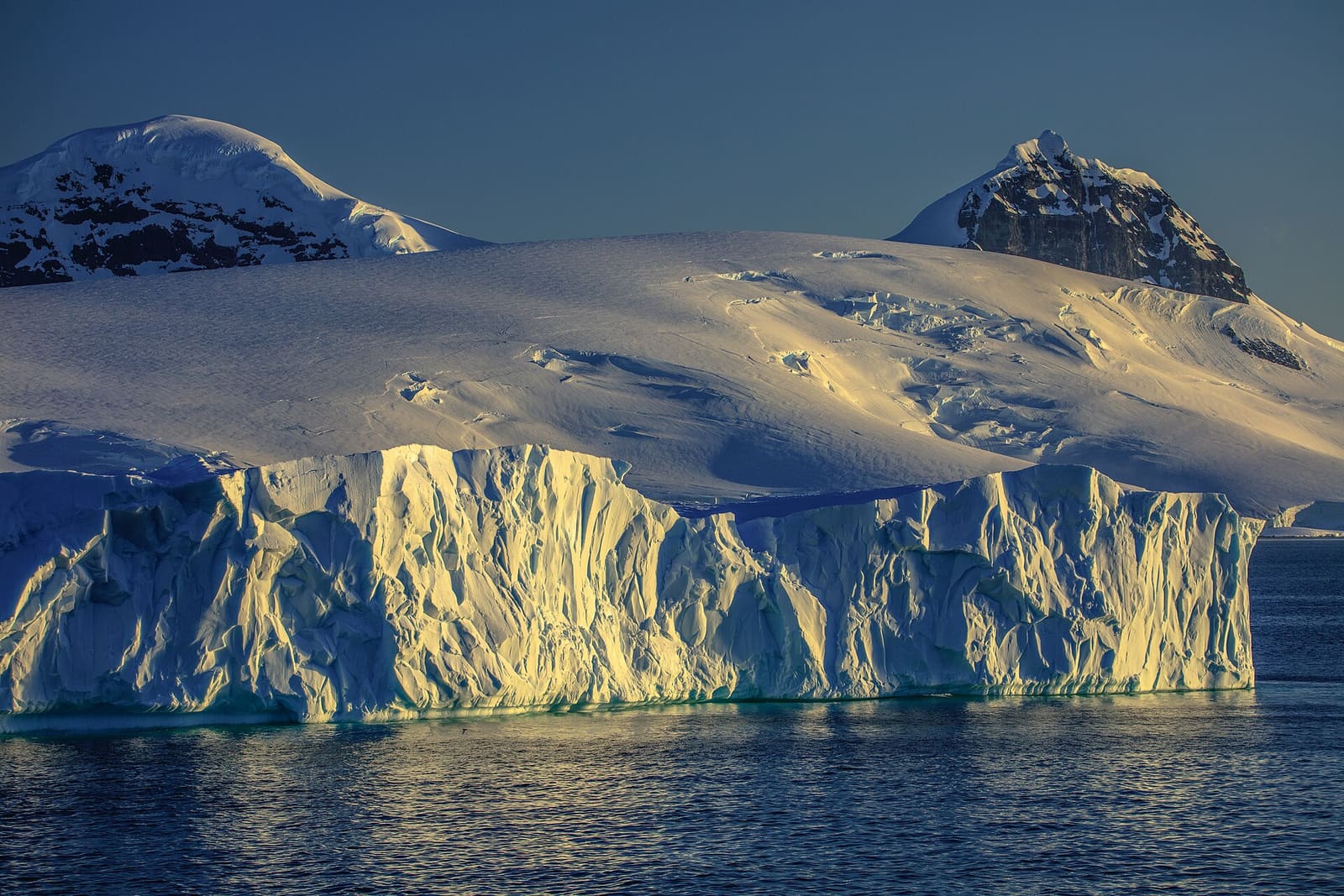
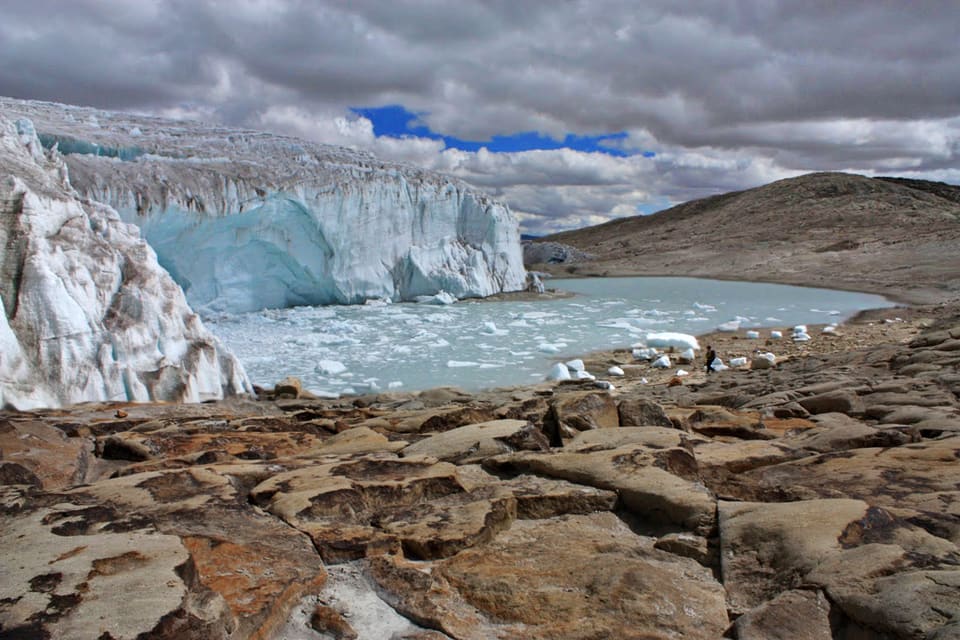
A team led by the Woods Hole Oceanographic Institution (US) has used NASA’s ICESat-2 satellite to measure 15,330 ice cliffs, the vertical walls where the great polar ice sheets end. The study, published in Science, has seen for the first time how the tallest ones behave.
How it was done
The satellite carries a laser that measures ice height. Between 2019 and 2023, every three months, the team recorded the height of the fronts and how blocks broke off. The most detailed analysis focused on four areas at the edge of Antarctica.
| Item | Figure |
|---|---|
| Cliffs measured | 15,330 |
| Average height | About 30 m |
| Tallest | 127 m |
| Period | 2019-2023 |
What they found
One theory says that fronts taller than 100 metres collapse on their own and drag the rest of the ice with them in a chain reaction. It had never been observed directly.
The study saw that the tallest cliffs did collapse faster than expected. “When the cliffs retreated, they did so faster than has been modelled,” explains Caroline Needell, of MIT and Woods Hole. But then came calmer periods.
What slows them down? A thick layer of broken icebergs and sea ice at the foot of the front, deep water, and bumps on the seabed that thin the ice.
What isn’t known
The study doesn’t calculate how much the sea will rise, but it shows what models need to include. And one question remains: whether that stability will hold with more warming. “We still don’t know,” says Jeremy Bassis, of the University of Michigan.
Since 1880, sea level has risen more than 20 centimetres. Another recent surprise in Antarctica: the huge hole that opened in the ice in midwinter.
Sources and references
This is original editorial content based on the sources cited. Spotted a mistake? Let us know and we will fix it under our corrections policy.