From a hunting bow to a mayonnaise tube: Lucerne displays what Swiss glaciers give back
The show runs until 22 August 2027. Its director says it treats glaciers as an archive of what will be lost: the pieces include real treasures and simple rubbish.
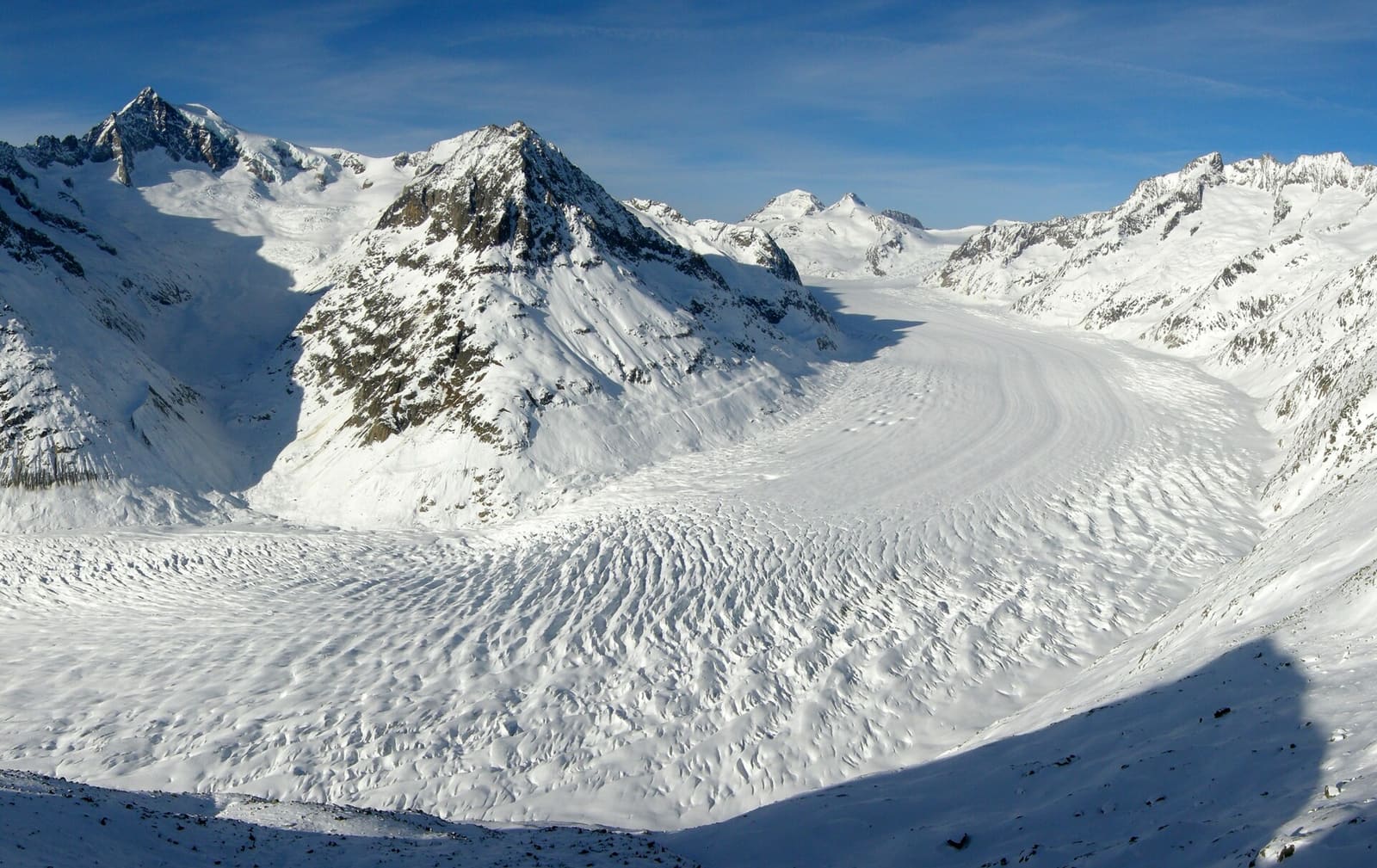
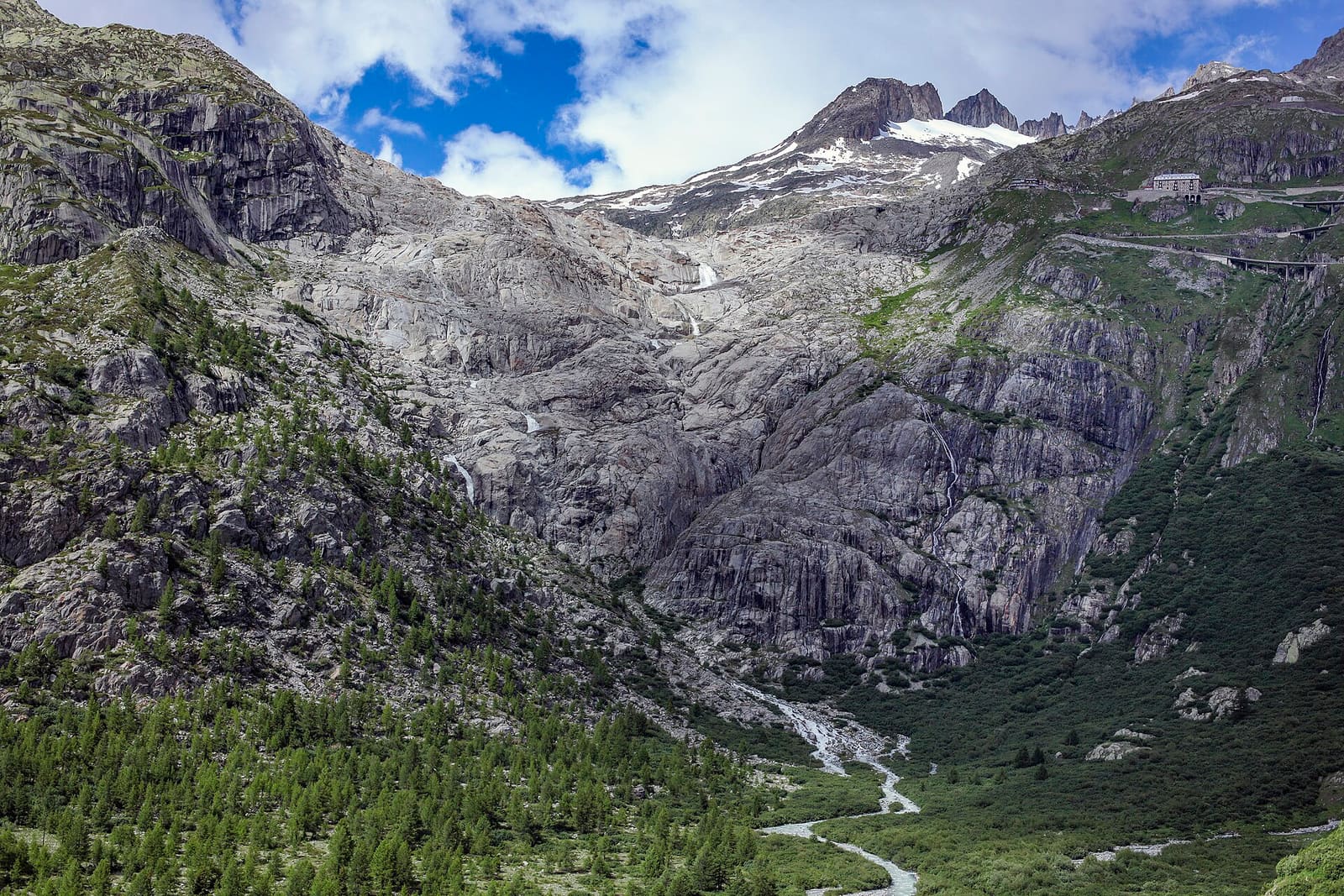
When a glacier retreats, it gives back what it was keeping. Some objects are thousands of years old; others are a few decades old and rather less romantic. Lucerne’s Glacier Garden, in Switzerland, has brought them together in Schatzkammer Eis (“Treasury of Ice”), open from 23 September until 22 August 2027.
What’s on show
- Deer antler and pine wood about 8,000 years old.
- A hunting bow and a Roman-era statuette.
- A cow skull, boots and an early Swiss Army-style knife.
- A crushed mayonnaise tube, a cracked climbing helmet and a wine bottle.
Its director, Andreas Burri, admits some pieces are “simply rubbish” that someone lost or threw away. But the message is serious: glaciers are disappearing so fast that the show treats them as an archive of what will be lost.
A treasure that opens by melting
For glacier archaeologist Marcel Cornelissen, a scientific adviser, “glaciers are treasure chambers”, and much of what they could teach us is lost as the ice melts. Margit Schwikowski, of the Ice Memory Foundation, points to the paradox: “the ice has to melt before any object can appear.”
The second-worst year
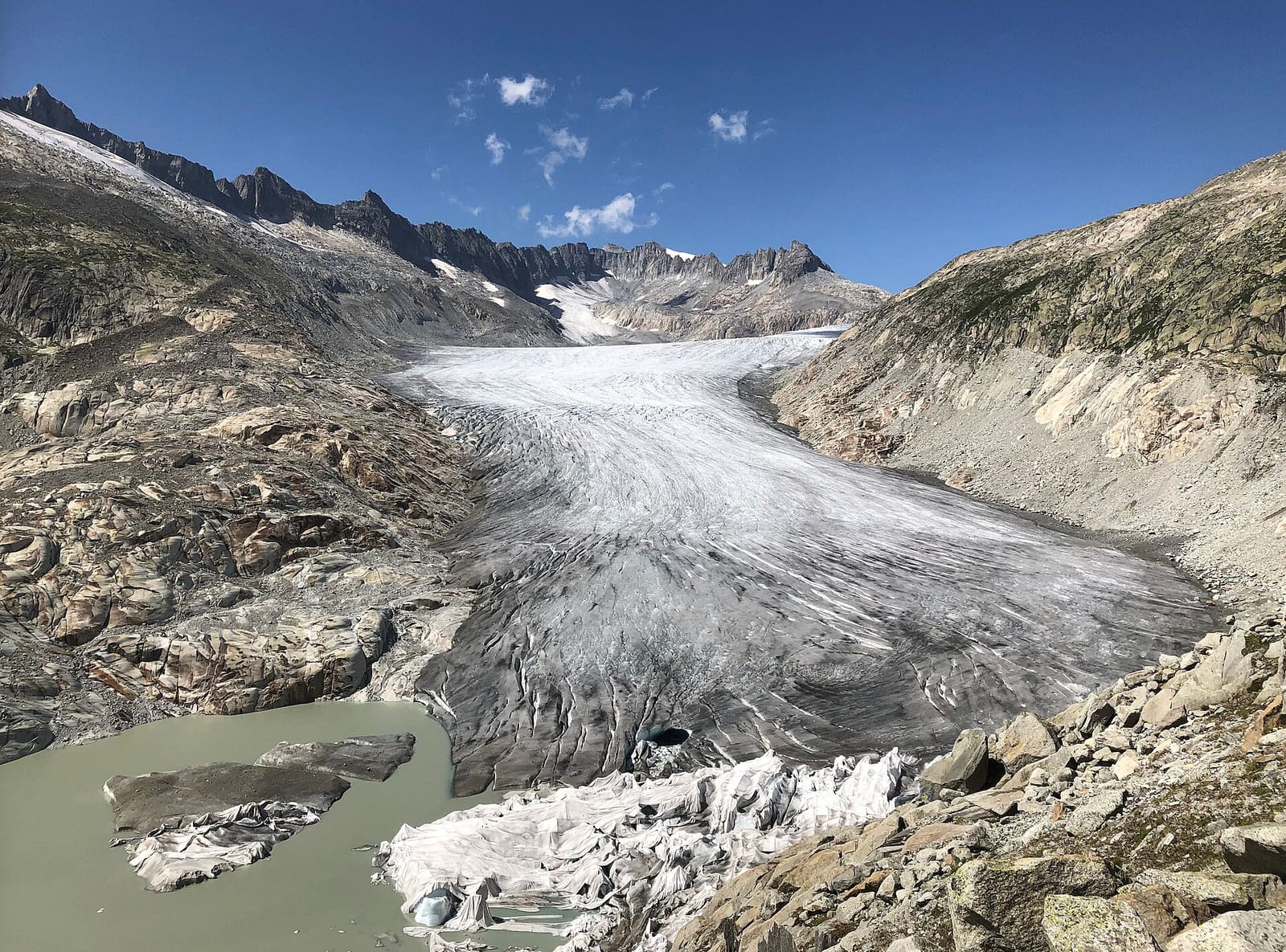
According to the annual GLAMOS report, Swiss glaciers lost 5.5% of their volume between 1 October 2025 and 30 September 2026: about 2.5 km³ of ice. It’s the second-largest loss on record, behind only 2022 (5.9%).
If you find an old object in the ice on a route, don’t take it: note the location, photograph it and tell local authorities.
More on the phenomenon in why glaciers are melting. And on changes in the Alps, in the new height of Mont Blanc.
Sources and references
This is original editorial content based on the sources cited. Spotted a mistake? Let us know and we will fix it under our corrections policy.