A large meltwater pond below Mount Hood's Coalman Glacier puts scientists on watch
A helicopter spotted it on 6 October. It's far bigger than in past years, after a winter of record-low snow. Mount Hood remains at normal alert: this isn't a volcanic warning.
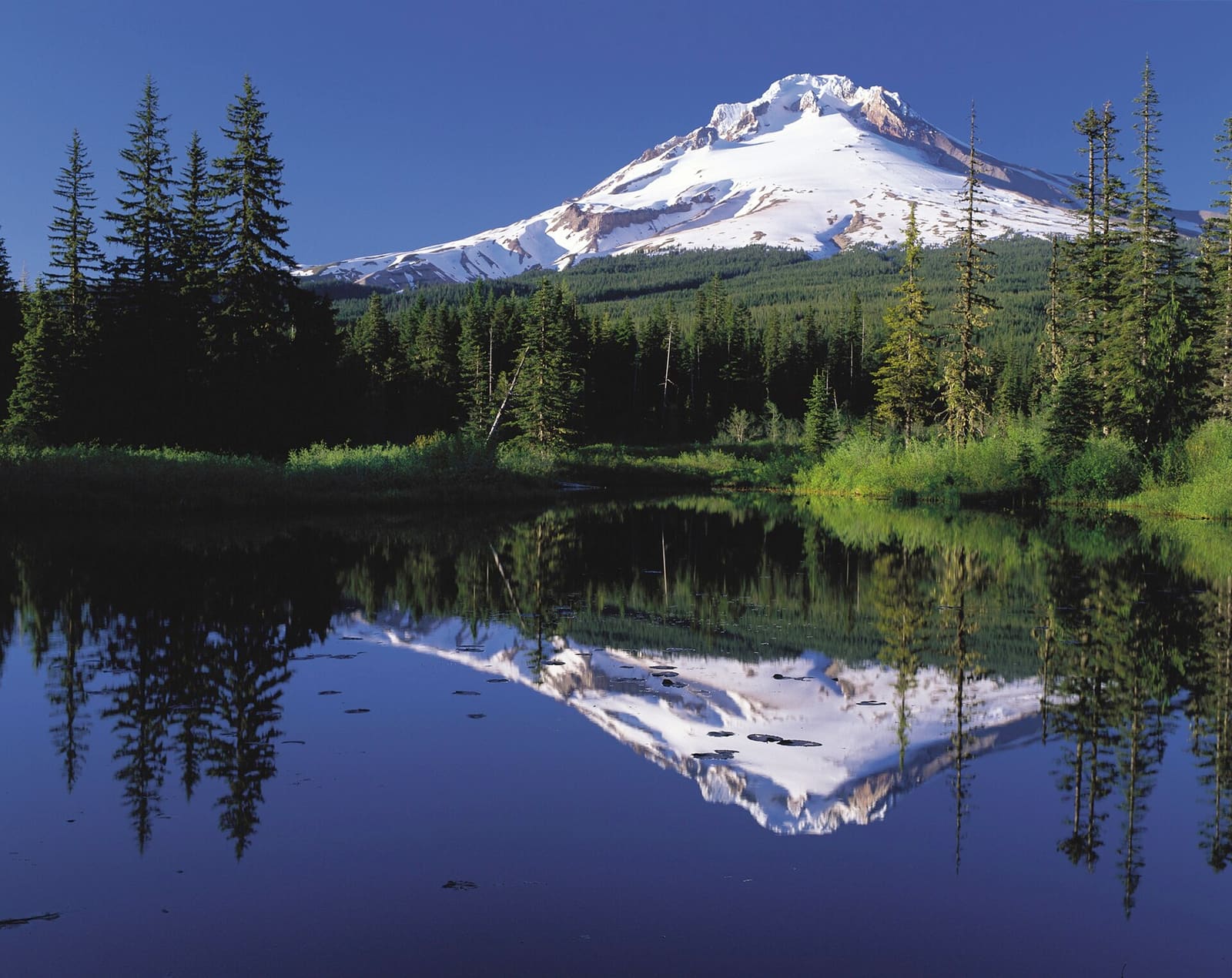
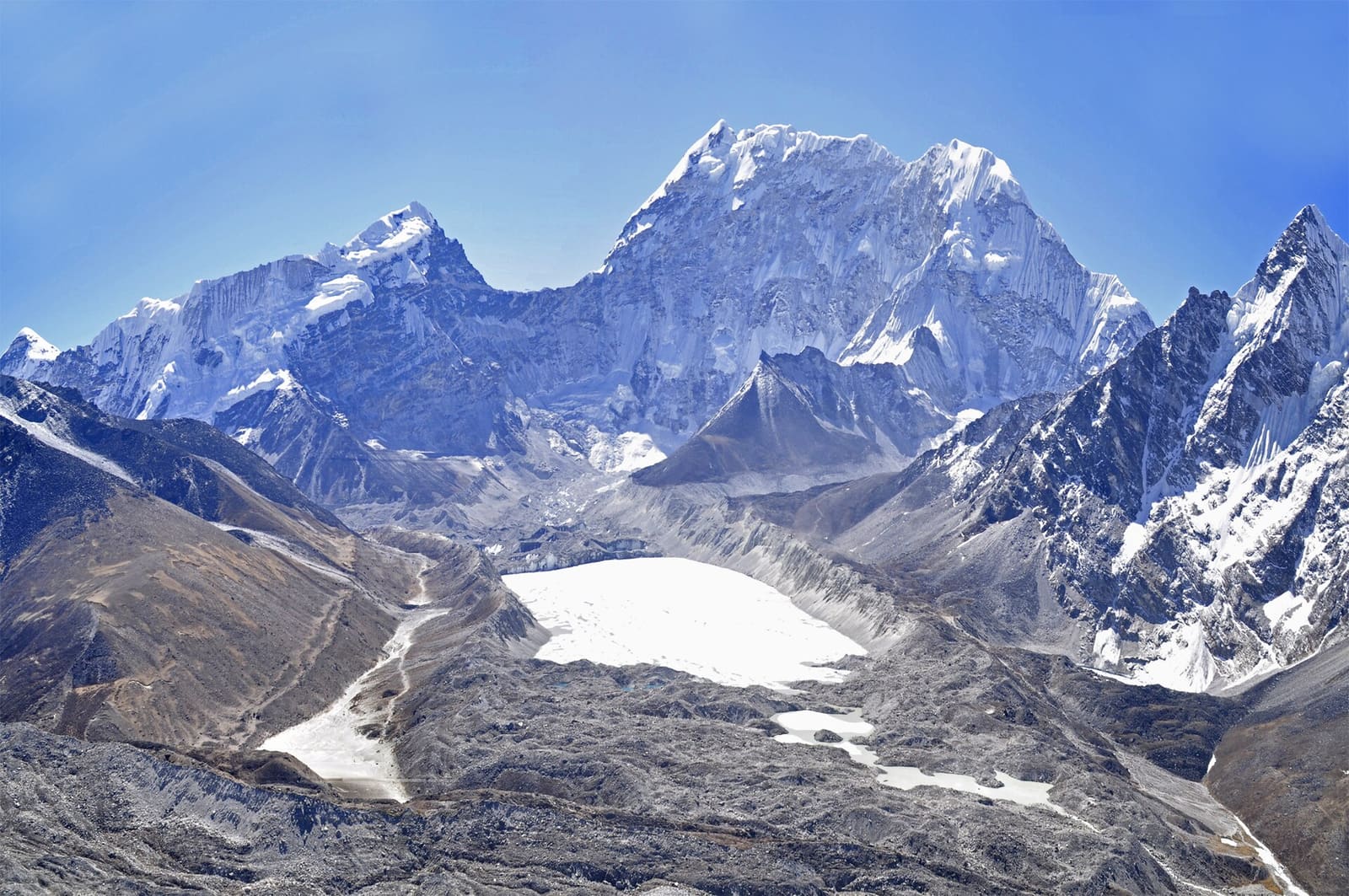
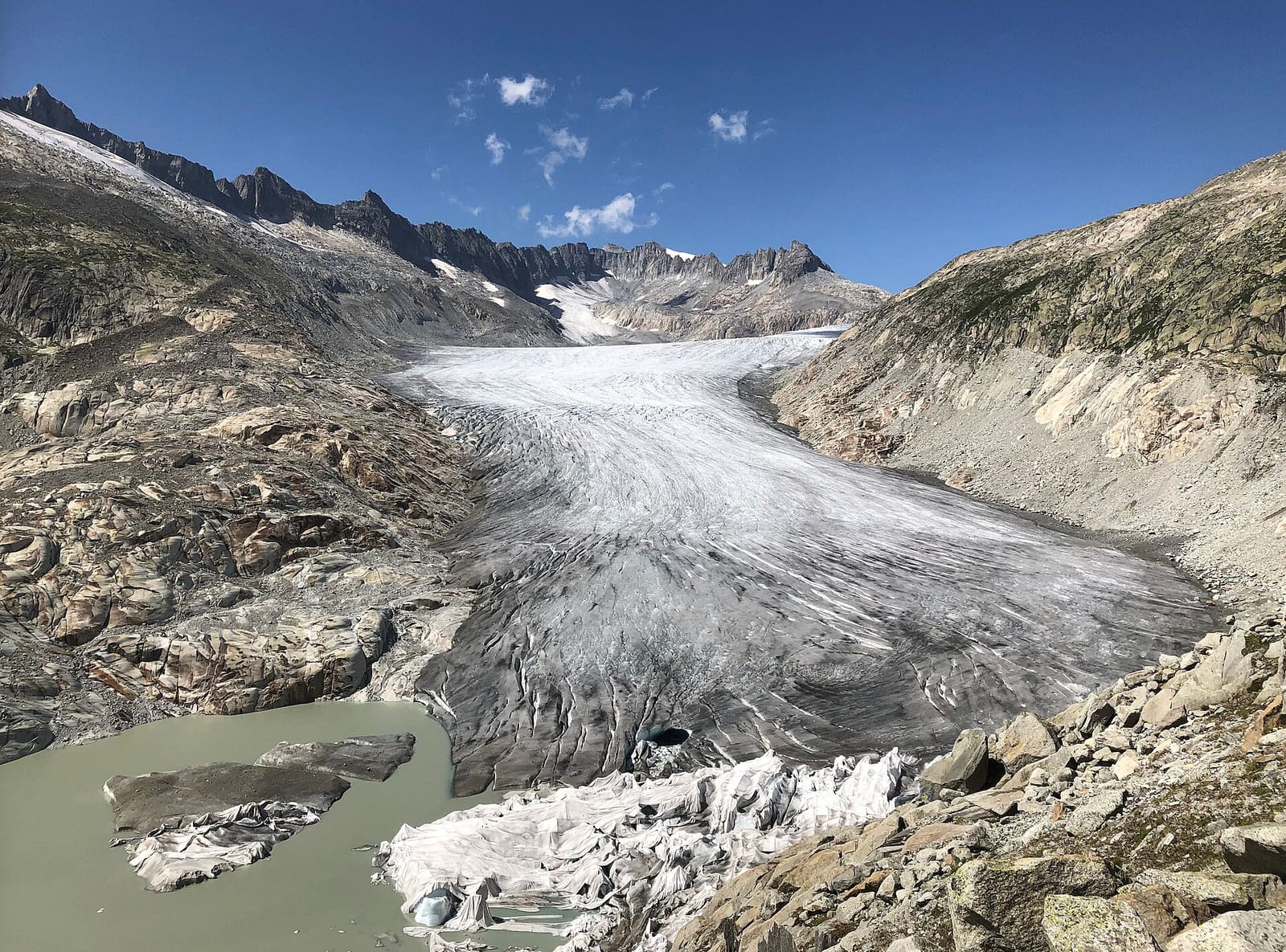
On a routine flight on 6 October, a helicopter spotted something unusual: a large meltwater pond at the foot of Coalman Glacier, high on the south side of Mount Hood, Oregon. The USGS Cascades Volcano Observatory posted a notice on 23 October.
How much water
The USGS estimates about 50,000 cubic metres (roughly 13 million gallons), enough to fill about 20 Olympic pools, and describes it as “significantly larger than in previous years”. It sits in a basin between Crater Rock, the summit cliffs and Devil’s Kitchen, a natural berm of altered rock and moraine that the observatory says “appears stable”. A water sample showed a provisional pH of 4, mildly acidic.
What could happen
A sudden release could send a debris flow down the White River, possibly as far as the Highway 35 bridge. The terrain would channel it southeast, away from the Sandy River, Timberline Lodge and Government Camp. At the estimated volume, the USGS doesn’t expect populated areas to be affected.
This isn’t a volcanic warning: Mount Hood remains at normal alert and aviation code green. No closures had been announced when the notice came out. Monitoring continues with the US Forest Service, the National Weather Service and Portland Mountain Rescue.
There’s a precedent on another flank: on 25 December 1980, a debris flow down Polallie Creek dammed the East Fork Hood River, and the resulting flood killed one person and damaged miles of highway.
A year without snow
Oregon set record-low snow levels in winter 2025-26, then came a summer heat wave. The Palmer Snowfield above Timberline was almost bare by 8 October, and the resort shut its Palmer Express lift on 19 July, earlier than ever. According to the source, Oregon had 36 glaciers in the 1980s and has 25 today.
“The trends are absolutely that we’re losing snowpack,” says Mark Carey, a professor at the University of Oregon.
To understand what’s going on, read why glaciers are melting and what happens to mountains without snow.
Sources and references
This is original editorial content based on the sources cited. Spotted a mistake? Let us know and we will fix it under our corrections policy.