Neptune grass flowers en masse off the coast of Murcia, and scientists look to the warm sea
Neptune grass grows incredibly slowly and doesn't flower often. Researchers and volunteer divers have seen it in bloom from Calblanque to Águilas.
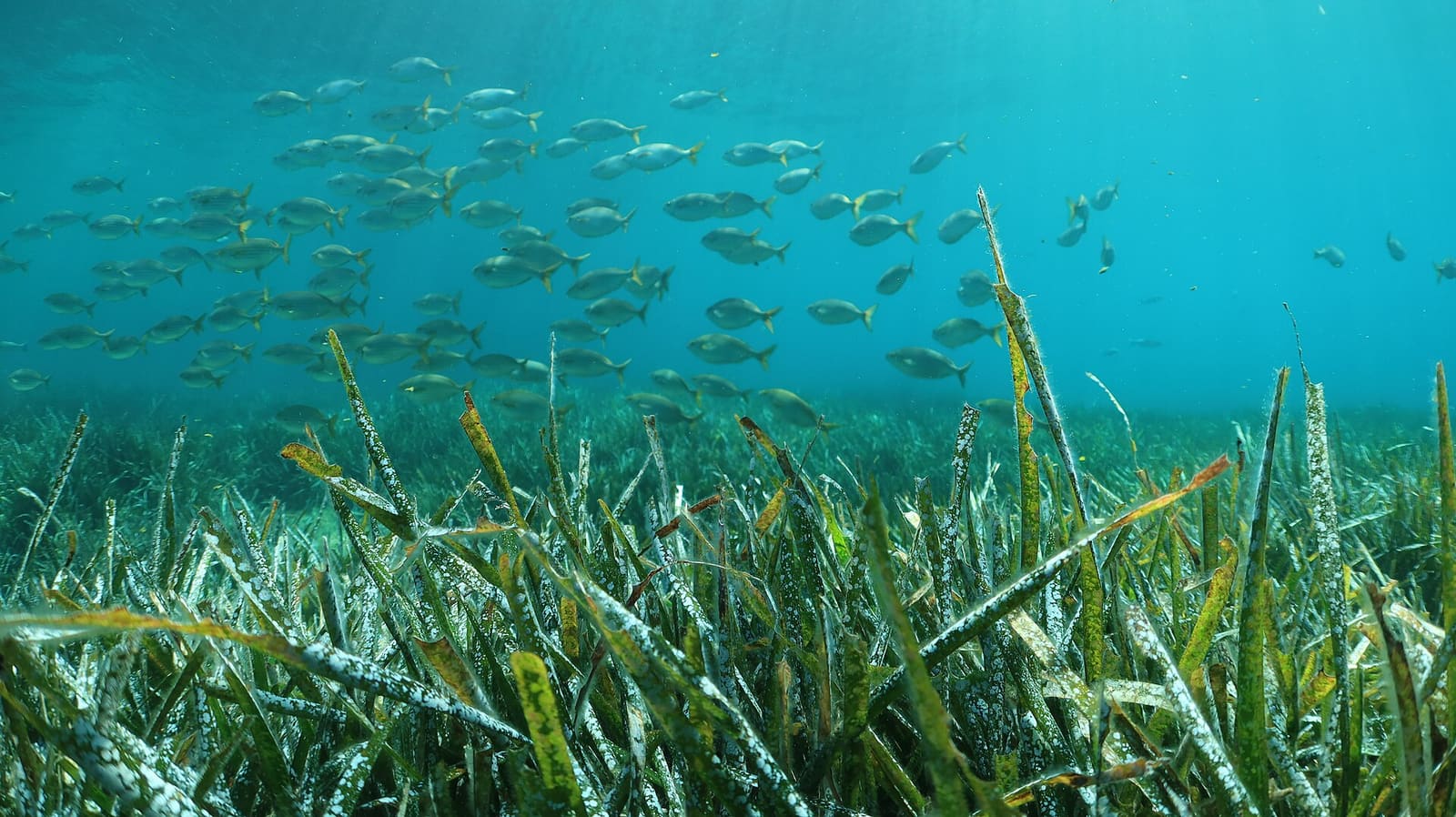
The Posidonia oceanica (Neptune grass) meadows off the coast of Murcia have flowered en masse this autumn. Spain’s Institute of Oceanography (IEO-CSIC) observed it during its October surveys, between Calblanque and Águilas.
Who saw it
The Marine Angiosperm Ecology Group at the Murcia Oceanographic Centre, led by Juan Manuel Ruiz, spotted it while assessing and mapping the meadows. They dived down to 30 metres and recorded georeferenced underwater video.
Volunteer divers and dive centres in the Murcia Region Posidonia Network also saw the flowering.
Is it the heat?
Ruiz suggests the flowering could be linked to warming water and marine heatwaves, but the trigger isn’t confirmed.
Why it matters
- Neptune grass isn’t seaweed: it’s a flowering plant found only in the Mediterranean.
- It grows very slowly: its stems advance just 1 or 2 centimetres a year, so a damaged meadow takes a long time to recover.
- When it flowers, it can reproduce from seeds, which gives it more genetic diversity to adapt.
The meadows shelter fish, keep the water clear, protect beaches from erosion and store carbon.
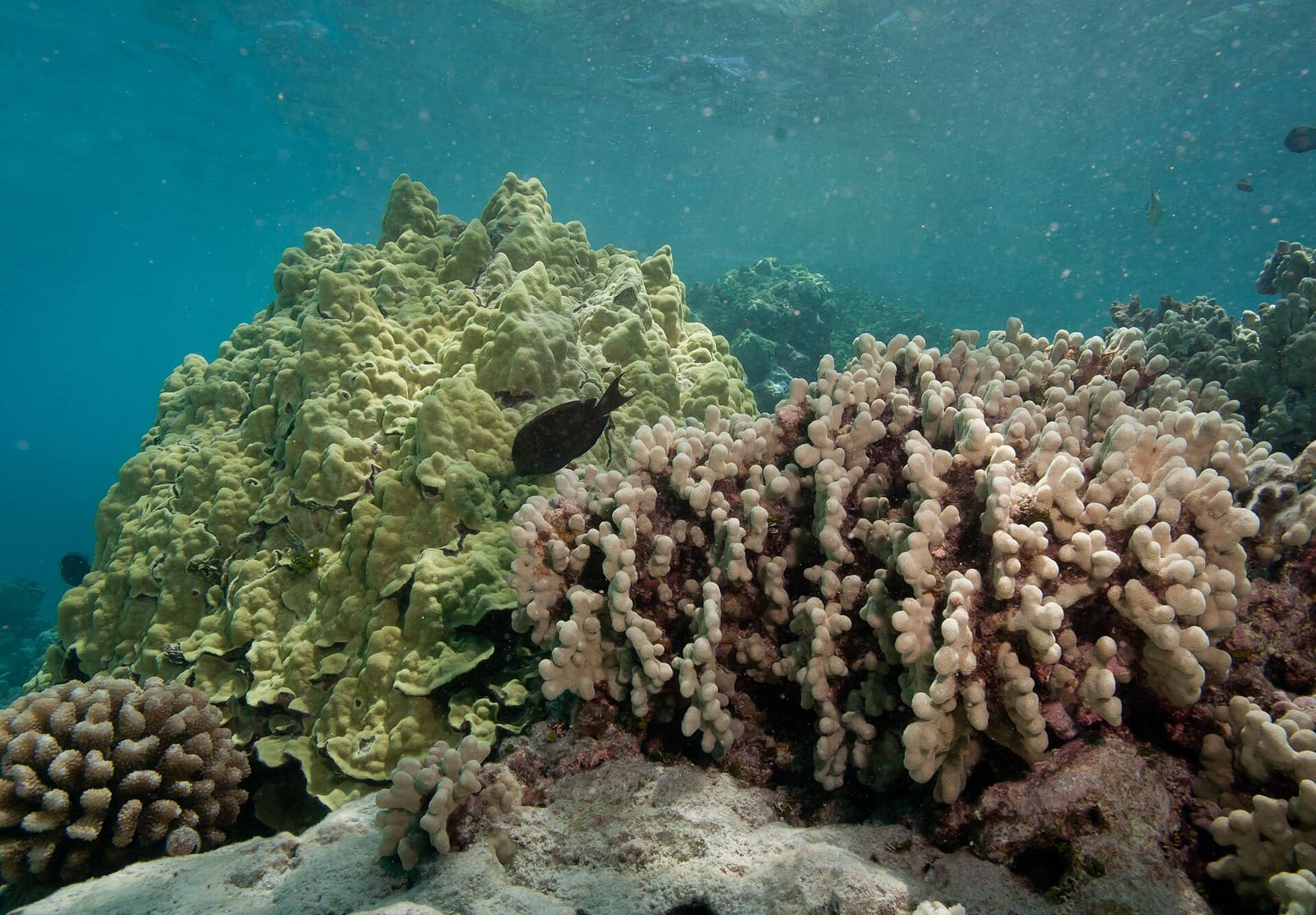
Sea heat is also affecting other species in south-east Spain: coral bleaching in Almería this autumn.
Sources and references
- ECOticias – Mass Posidonia flowering detected in Murcia, in Spanish (06/11/2026)
- MITECO – Posidonia oceanica, in Spanish
This is original editorial content based on the sources cited. Spotted a mistake? Let us know and we will fix it under our corrections policy.