Spain's Cazorla mountains now count 410 wild bee species, a third of those in the Iberian Peninsula
Thirty years of research, mainly by the Doñana Biological Station, has revealed huge diversity. Some bees are so specialised they visit only one flower.
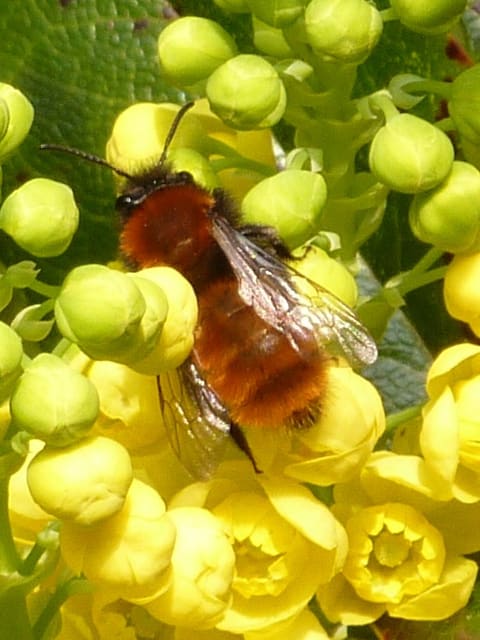
When we think of bees, we usually picture the honeybee. But in the Sierras de Cazorla, Segura y Las Villas (Jaén, southern Spain), 410 wild bee species fly, according to the latest count. That’s about a third of all those in the Iberian Peninsula.
A catalogue that keeps growing
- The new catalogue, published in 2026 in the Boletín de la Sociedad Entomológica Aragonesa by Ortiz and Herrera, raises the figure from 392 in an earlier work to 410 species, from 46 genera.
- The largest families are Apidae (114 species), Andrenidae (105), Megachilidae (94) and Halictidae (73).
- Four species new to science have been described in the area, three of the genus Andrena.
- And that’s not all: researchers estimate 10-15% of species are still to be identified.
According to ECOticias, most of these studies have been led for thirty years by the Doñana Biological Station (EBD-CSIC). Its researcher Carlos Herrera sums it up: “We are still far from knowing the true scale of that diversity.”
Bees that visit only one flower
One of the most curious is Hoplitis sulayr, described recently, which visits only the flowers of Onosma tricerosperma. Such close relationships mean that if the plant disappears, so does the bee, and vice versa.
Why Cazorla is a refuge
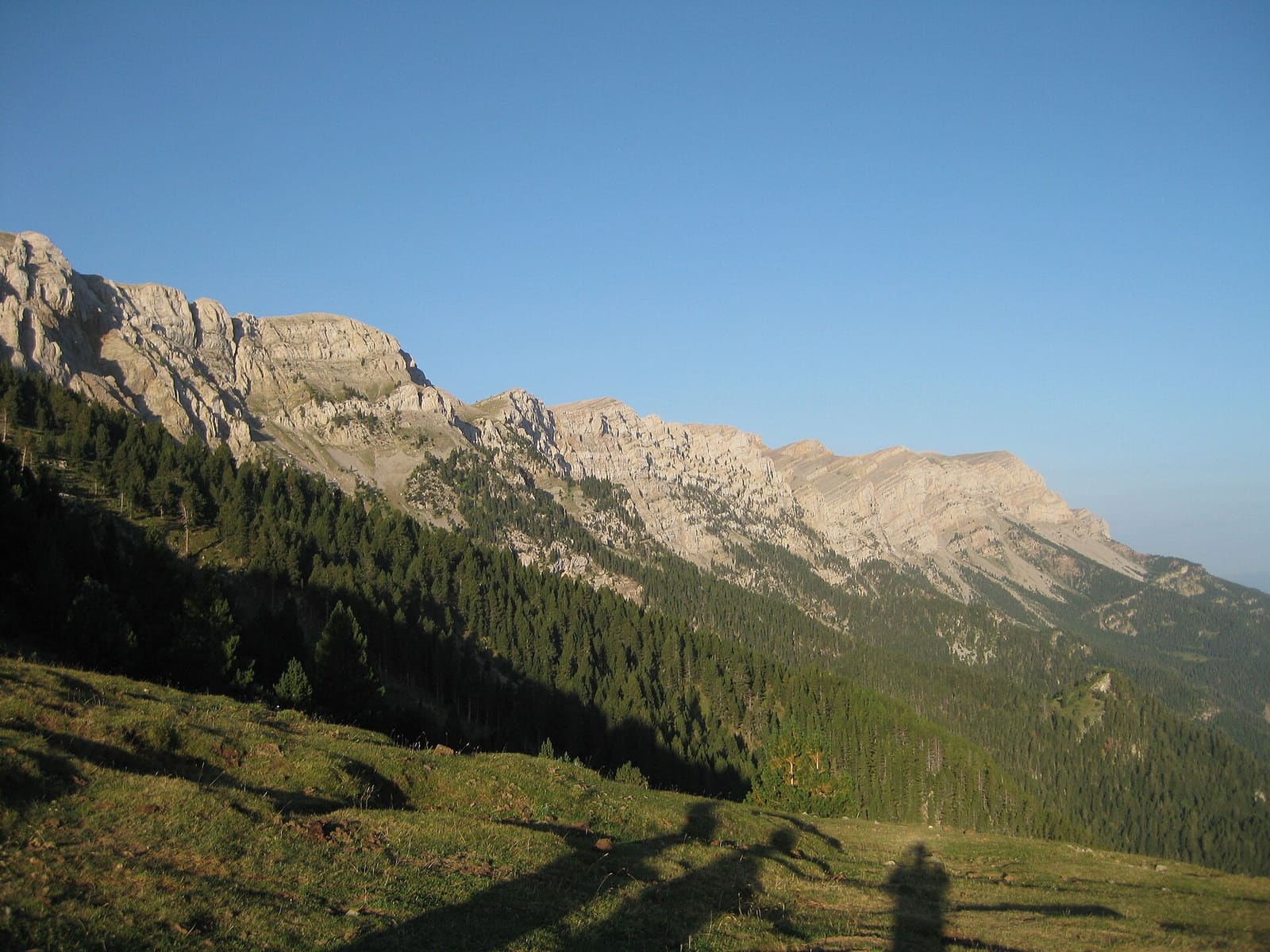
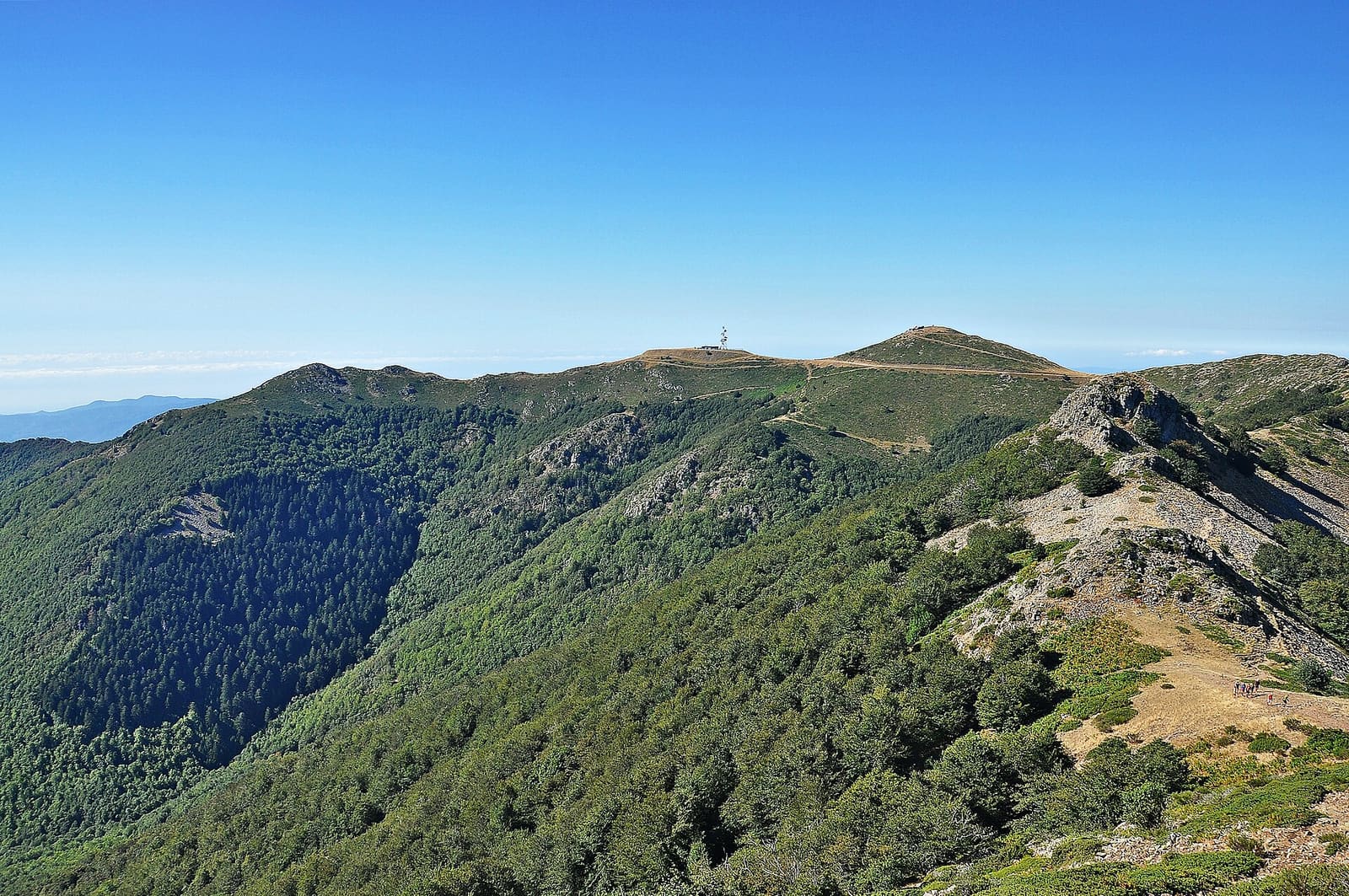
- It has been a Biosphere Reserve since 1983 and is Spain’s largest protected area, with more than 209,000 hectares.
- It’s home to 28% of the peninsula’s plants and 57% of Andalusia’s: lots of flower variety means lots of bee variety.
- It has large pesticide-free areas; pesticides are one of the main causes of pollinator decline.
Why they matter
According to the FAO, about 75% of the world’s crop types depend at least partly on pollinators. And wild bees are declining worldwide, as Herrera points out.
You can help too: leaving patches of lawn uncut or planting native flowers creates refuges, as shown by the butterflies in Santander’s parks.
Sources and references
- ECOticias – The wild bees of Cazorla: 410 species, in Spanish (04/11/2026)
- Ortiz & Herrera (2026), Boletín de la Sociedad Entomológica Aragonesa (PDF, in Spanish)
This is original editorial content based on the sources cited. Spotted a mistake? Let us know and we will fix it under our corrections policy.