Doñana quadruples the quiet zone around raptor nests and bans entry with dogs
The no-forestry zone around trees with raptor nests grows from 100 to 400 metres. The works calendar, pet rules and management of activities such as photography and cycling also change.
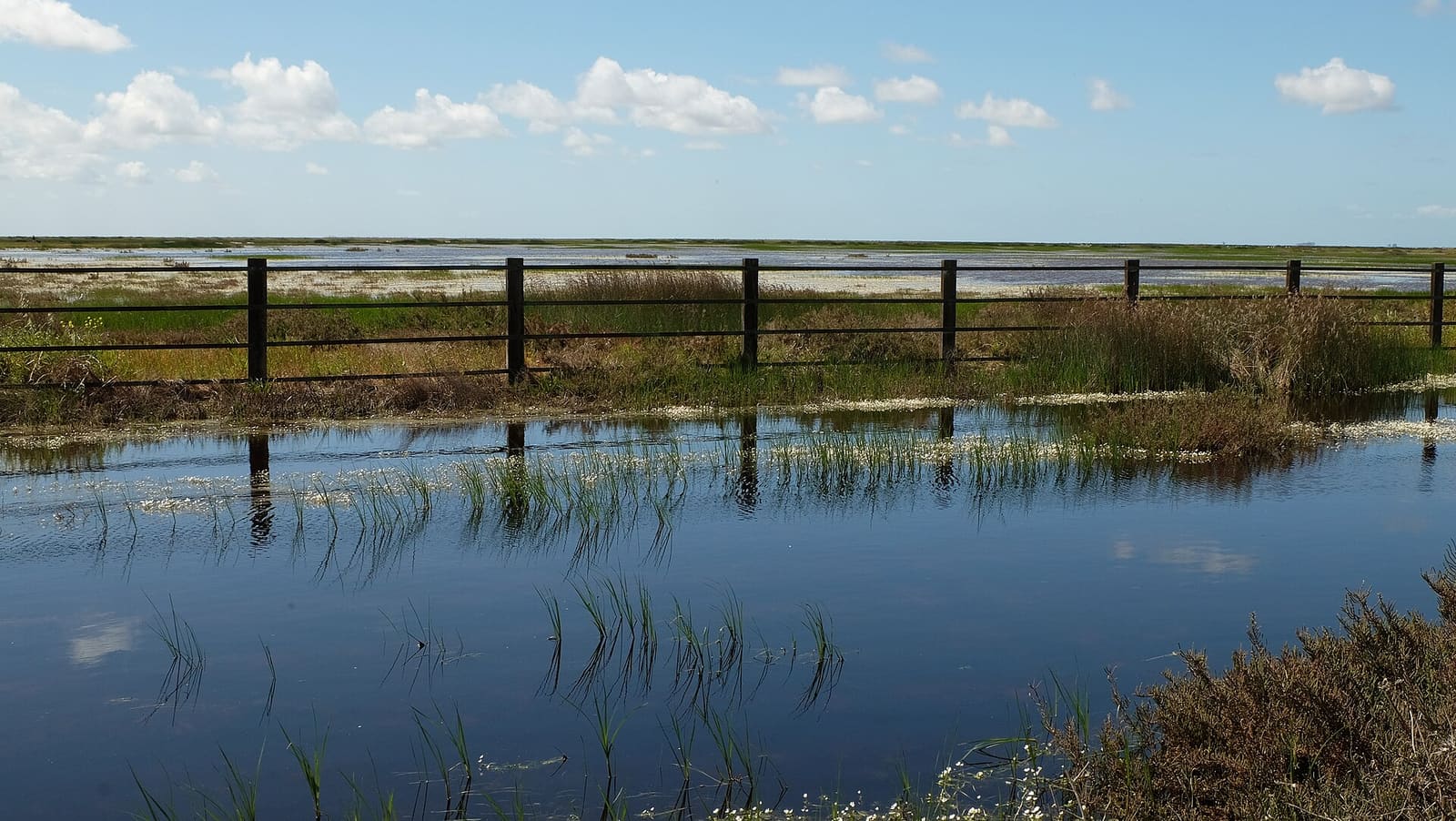
On 4 November, Andalusia’s Governing Council was informed of an order amending the two main plans governing the Doñana Natural Area in southern Spain: the natural resources plan (PORN) and the use and management plan (PRUG), both from 2016. The regional government calls them “targeted adjustments”, but some changes directly affect visitors.
More calm around nests
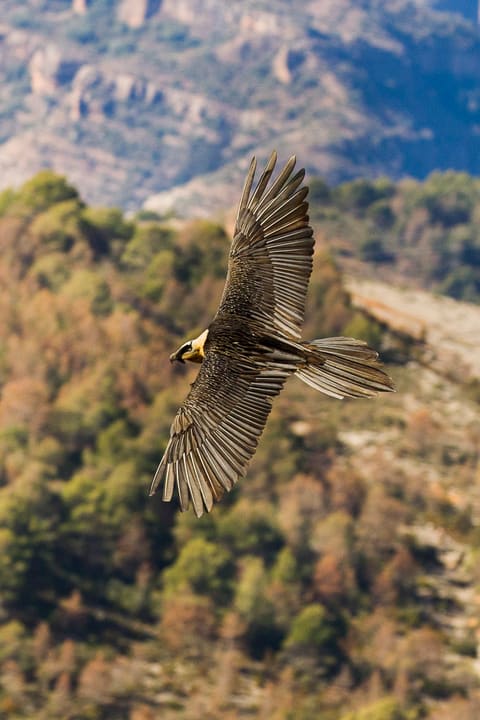
The most striking change is for birds of prey. Until now, forestry work was banned within 100 metres of a tree with a nest. That distance now rises to 400 metres, four times more, and applies until the chicks leave the nest.
In addition, most forestry work (ploughing, pruning, clearing, felling and thinning) will generally take place between 31 July and 28 February, outside the most sensitive breeding period.
No dogs, not even on a lead
The order bans entry with dogs and other pets, whether loose or on a lead. There are exceptions:
- Working dogs of the security forces.
- Assistance dogs, in cases set out in Andalusian law.
- With prior authorisation, dogs needed for management or conservation work.
If you were planning to visit Doñana with your dog, you’ll have to leave it at home.
Other changes
- Solar panels: self-consumption is allowed on existing, legal buildings and facilities, not on new land.
- Free activities: limits on wildlife watching, photography, filming, cycling, horse riding or hiking can be set by resolution of the area’s management, instead of by ministerial order. That allows faster adjustments.
- Seville to El Rocío path: walking, cycling and horse riding are exempted from the incompatibility rule on the stretch crossing the national park.
- Pilgrimages: walking transits on the Almonte-Sanlúcar path are added on the third weekend of October and November, without raising the maximum number of vehicles.
- Beach: the moderate-use zone between Matalascañas and Malandar grows from 462.46 to 652.67 hectares.
Why it matters
Doñana is one of Europe’s most valuable wetlands and a refuge for species such as the Spanish imperial eagle and the Iberian lynx. But it is under strain: a Doñana Biological Station study cited by ECOticias found that 59% of 316 lagoons analysed had not flooded since at least 2013.
Read also how the Iberian lynx and the black kite share territory in Doñana.
Sources and references
- Junta de Andalucía – Changes to Doñana's planning and management plans, in Spanish (04/11/2026)
- ECOticias – Andalusia strengthens Doñana's protection and changes access, in Spanish (05/11/2026)
This is original editorial content based on the sources cited. Spotted a mistake? Let us know and we will fix it under our corrections policy.