The Montseny summit now freezes half as often as 70 years ago: Spain's weather agency speaks of "a new climate"
Maximum temperatures have risen 1.3 °C, days above 25 °C have nearly tripled and the three warmest years on record are 2022, 2023 and 2024. The authors see a break since 2022.
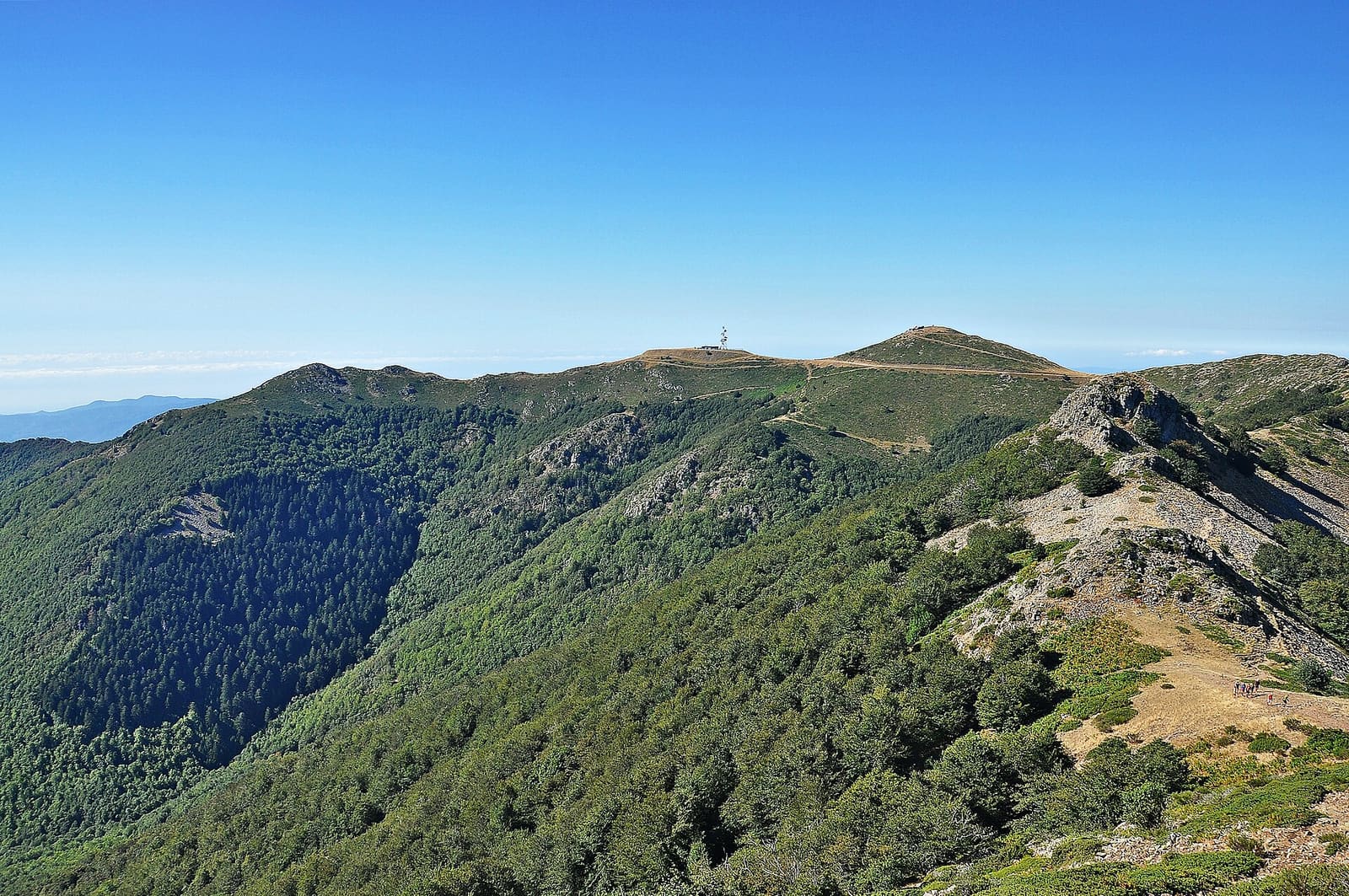
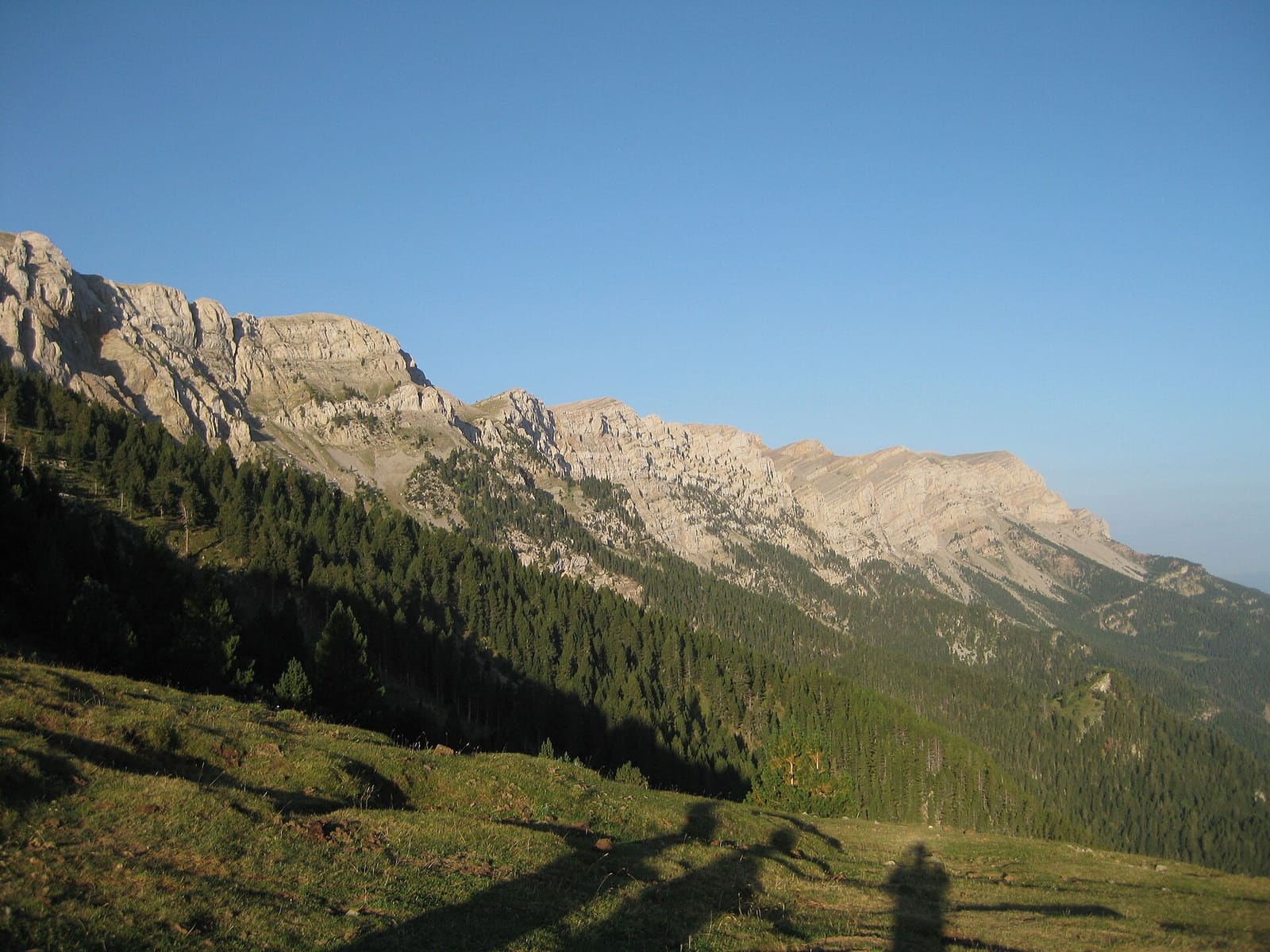
The summit of Montseny, about 1,700 metres above the plain of Barcelona, has one of Spain’s longest mountain weather records: measurements began in 1932, when meteorologist Eduard Fontserè opened the observatory on Turó de l’Home. A study by Spain’s weather agency AEMET and the Catalan Meteorological Service (SMC) has reviewed the series since 1950, and its conclusion is clear: the climate up there has changed.
Half the frosts
- In 2023 there were 57 frost days, and 65 in 2024.
- The 1951-1980 average was 112.6 days, and the 1991-2020 average 93.7.
- Ice days, when even the maximum stays below 0 °C, fell from 24.4 to 17.6 a year.
Hotter at the top
- Average maximums rose 1.3 °C between 1951-1980 and 1991-2020.
- Days above 25 °C went from 1.8 a year to 4.9. In 2022 there were 28.
- The three warmest years on record are 2022 (9.8 °C average), 2023 (9.5 °C) and 2024 (9.1 °C), the only ones above 9 °C. The coldest was 1972, at 5.4 °C.
The authors, José Luis Camacho (AEMET) and Marc Prohom (SMC), detect “a break in the behaviour of the temperature series” since 2022 and conclude that we can speak of “a new climate, noticeably different from those of the 20th century”.
Rainfall, with no clear trend
Average precipitation is about 1,005 litres per square metre a year, but it varies hugely: 1,679.7 in 2020 and only 610.4 in 2023. There’s no clear trend.
Two details to keep in mind
- Since 2010, data have been taken at Puig Sesolles, about 300 metres from Turó de l’Home and some 40 metres lower. The authors have joined the two series.
- The full work is a technical note still under review, and AEMET’s own blog gives slightly different figures depending on the period compared (for example, +1.7 °C in maximums if 1996-2025 is used).
What it means for the mountains
Fewer frosts and more warm days change life on the summits: cold-adapted plants and animals lose ground, like the rock ptarmigan, which has disappeared from Cotiella. And for anyone heading out, heat at altitude is no longer a rarity: carry plenty of water even to the summits.
Sources and references
- AEMET Blog – Climate and history of weather observations at the Montseny summit, 1950-2025, in Spanish (31/10/2026)
- ECOticias – The Montseny summit freezes half as much as before, in Spanish (04/11/2026)
This is original editorial content based on the sources cited. Spotted a mistake? Let us know and we will fix it under our corrections policy.