Loggerhead turtles are colonising the western Mediterranean, nesting more and more on beaches in Spain, Italy and France
Scientists think the warmer sea makes young turtles in the west grow faster. In Italy, 87% of nests in Campania had beach lights shining on them.
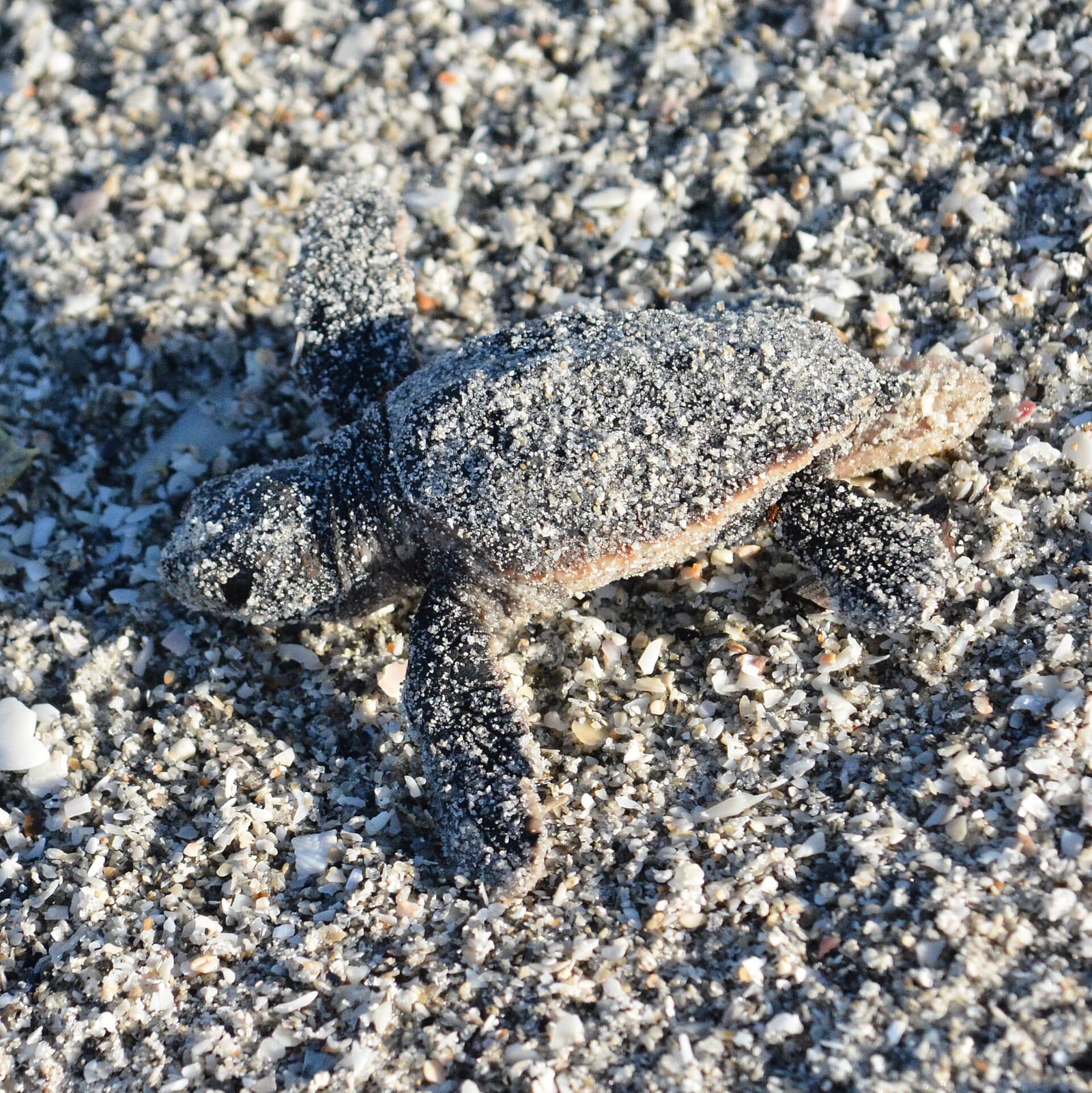
The loggerhead turtle (Caretta caretta) is doing something that, according to scientists, has never been seen before: colonising the beaches of the western Mediterranean to lay its eggs. Mongabay reports from Italy.
From Greece to Spain
Until recently, this turtle nested mainly in the eastern Mediterranean (Greece, Turkey and Cyprus). The west was just a feeding ground for young turtles.
| Place | What has happened |
|---|---|
| Calabria (Italy) | First signs of nests in the early 2000s |
| Spain | First confirmed nest in 2001; nests every year since 2014 |
| Campania, Tuscany and France | Nesting has spread north and west |
“For the first time in history, we are witnessing a new colonisation,” says Sandra Hochscheid, of the Stazione Zoologica Anton Dohrn in Naples.
Why now?
Carlos Carreras, of the University of Barcelona, thinks the warmer sea makes young turtles in the west grow faster, so they mature far from their home beaches. And the beaches are now warm enough to incubate eggs. Genetic analyses show they are related to turtles from Greece, Turkey and the Caribbean.
Because mothers return to the same beach, scientists expect these colonies to become permanent.
Sharing the beach
Italy has nearly 27,000 beach clubs. At first some resisted, but things are changing:
- In Campania, 87% of nests in 2022 and 2023 had beach lights over them, which disorient hatchlings.
- Ascea has installed soft lighting on its seafront promenade.
- From 2027, beach concessions in Campania must meet low-impact lighting rules.
- Volunteers and drones find and fence off nests.
In Spain, many nests are laid too close to the water, which makes them harder to protect.
The loggerhead is listed as vulnerable by the IUCN. More good news from Spain’s Mediterranean: the mass flowering of Neptune grass in Murcia.
Sources and references
This is original editorial content based on the sources cited. Spotted a mistake? Let us know and we will fix it under our corrections policy.