Ecotourism keeps hunters away in Laos, but it also drives off many animals
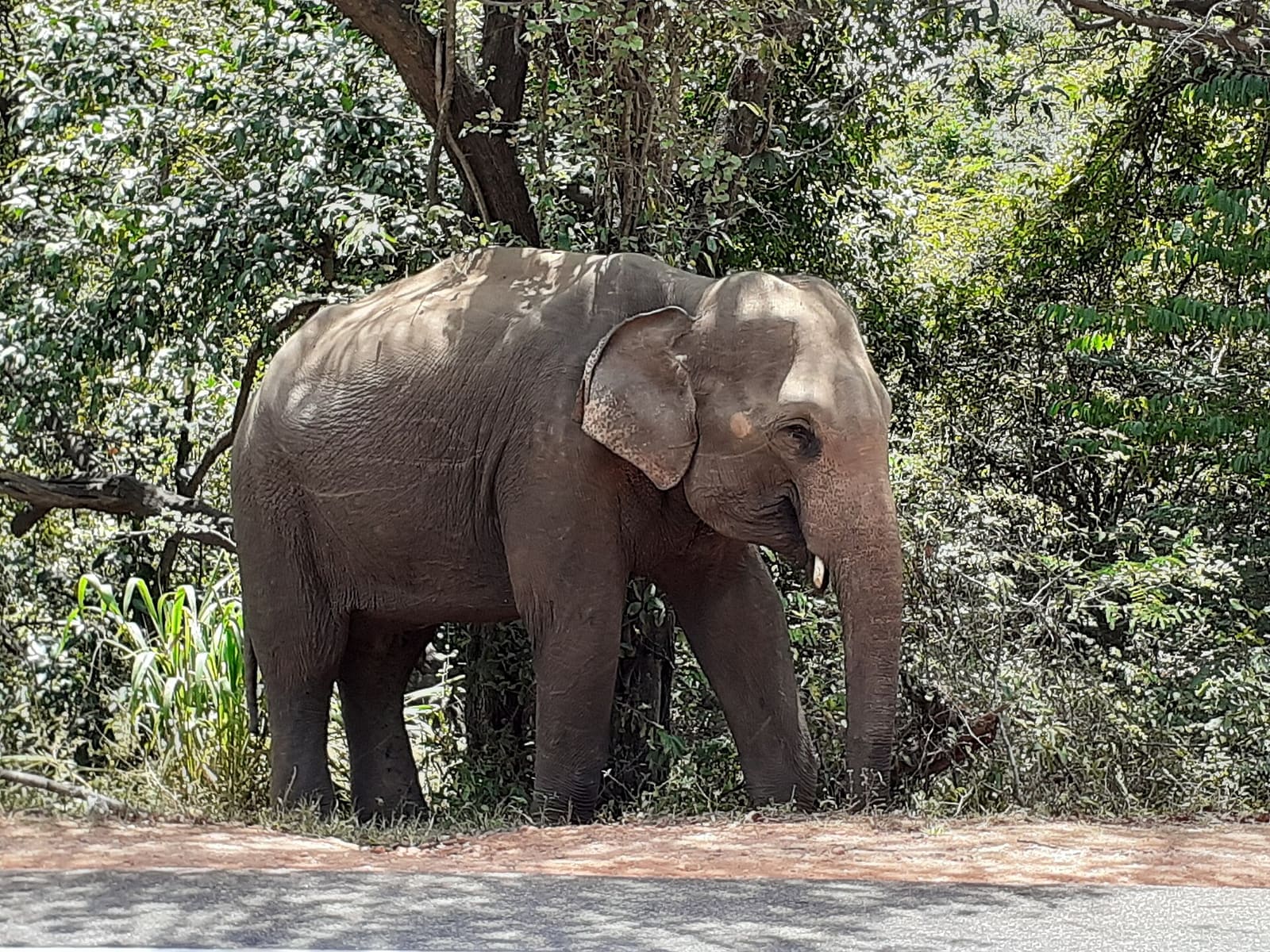
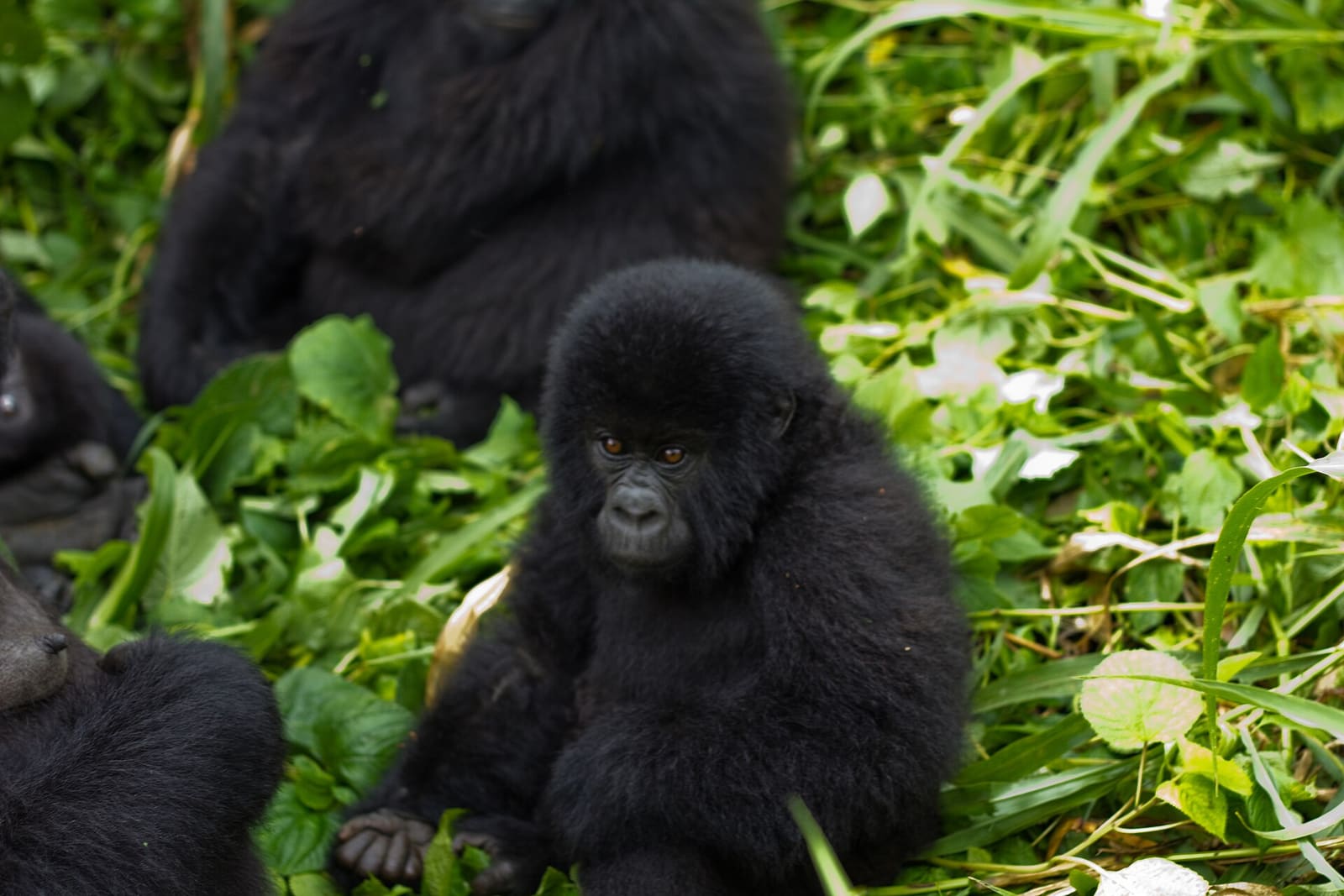
Asian elephants, sun bears and leopard cats only appeared far from the trails and kayaking routes.
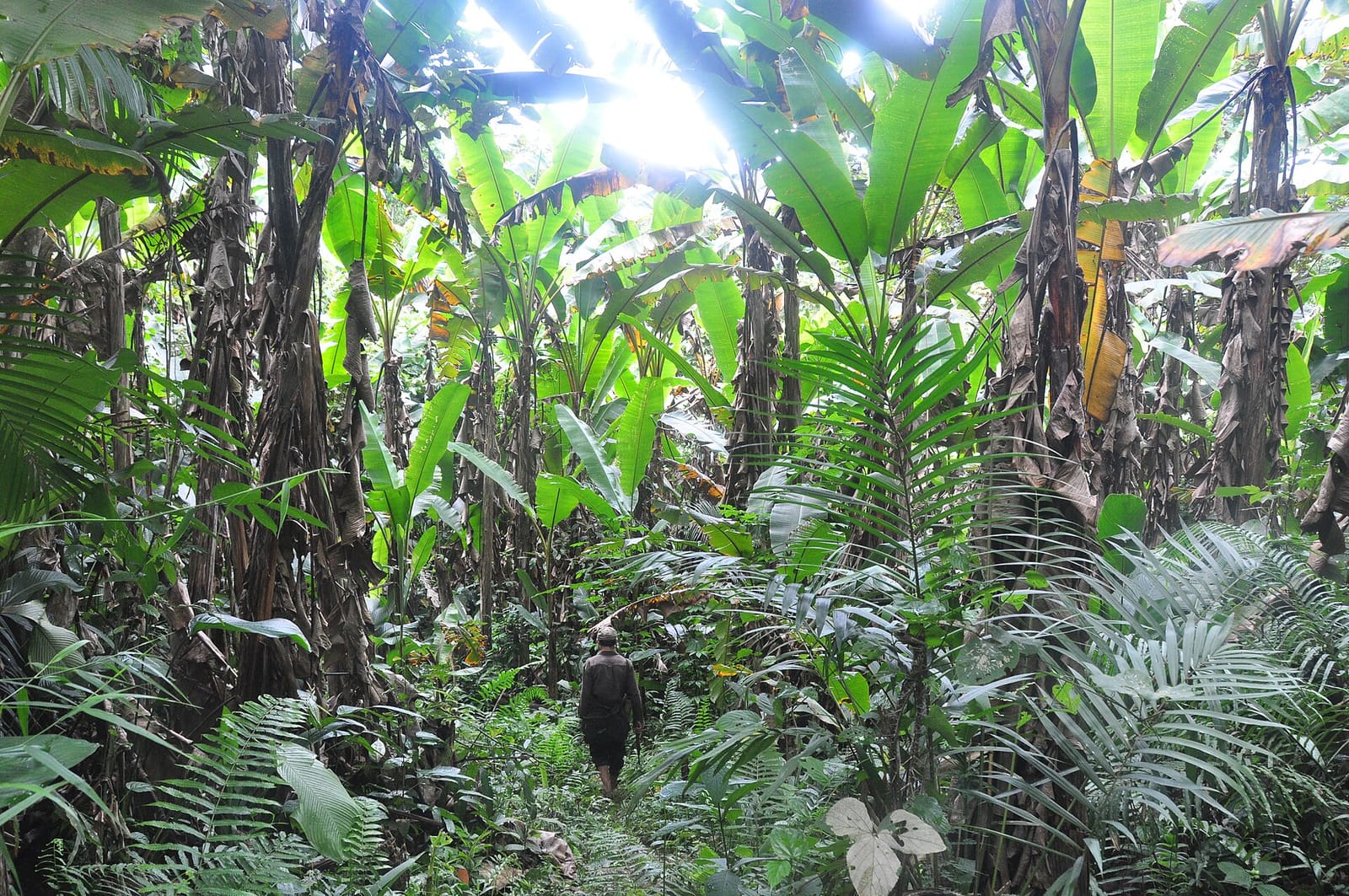
Does nature tourism help wildlife or disturb it? A study in the Nam Ha National Protected Area, in northern Laos, says both. It is published in Global Ecology and Conservation.
Six years of cameras
The researchers set camera traps at 59 sites across the reserve, which covers about 222,400 hectares. Some were near trekking trails and kayaking routes; others were in remote forest. The images span 2013 to 2019.
They recorded 45 species of medium and large mammals. Fifteen are globally threatened.
Fewer hunters…
The good news: tourism areas had fewer hunters than remote ones. Ecotourism seems to act as a shield against hunting.
…but fewer animals too
The bad news: sites near tourist routes averaged 4.58 species. Remote sites had almost twice as many. The species most wary of tourism were sambar deer, wild boar and crab-eating mongoose.
Eleven species appeared only far from people, including Asian elephants, sun bears and leopard cats. Another six, such as the marbled cat and the black giant squirrel, were seen only in tourism areas.
“The animals don’t seem to make a distinction between benign tourists and hunters,” says lead author William Bleisch.
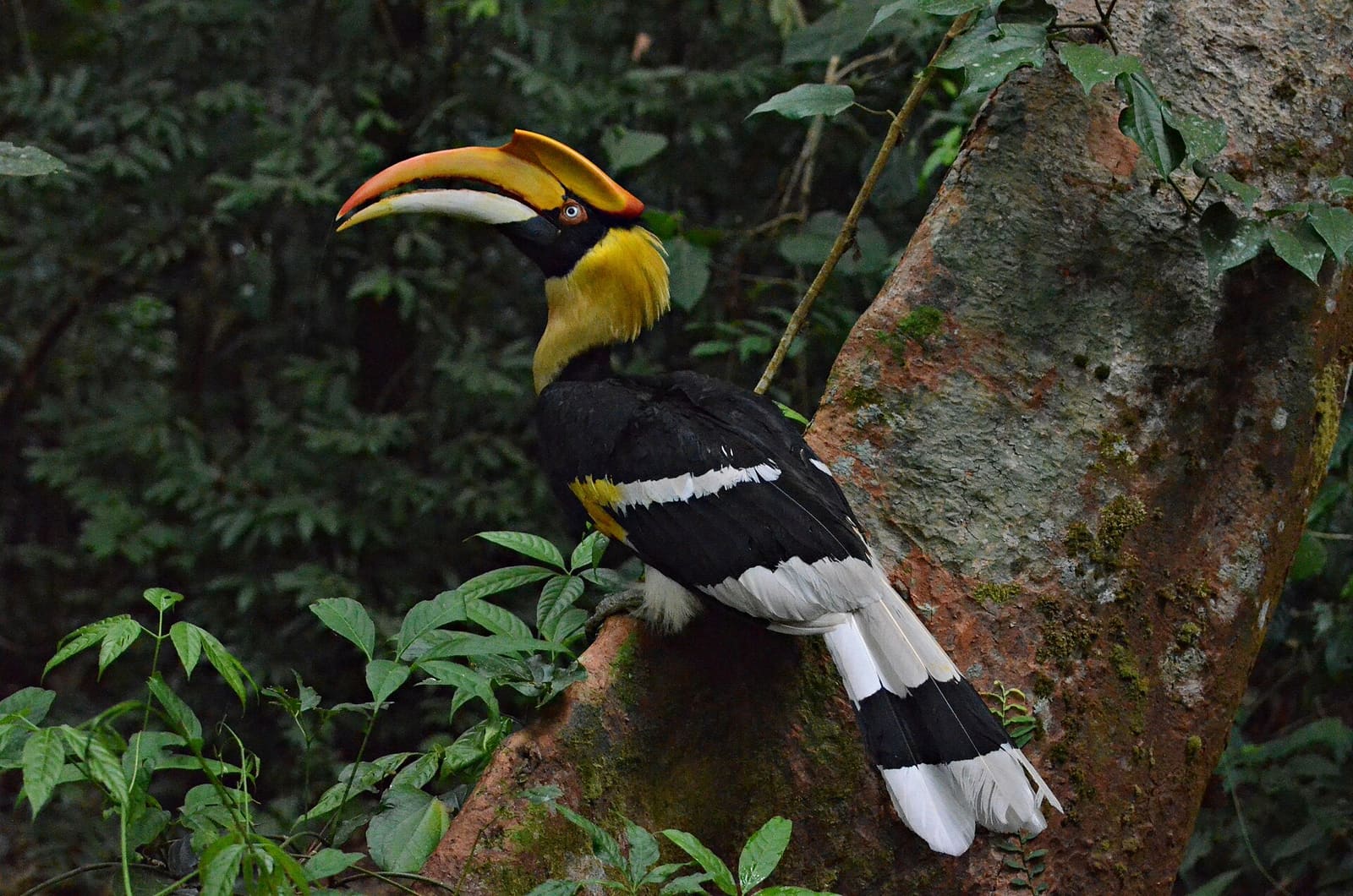
The practical takeaway: ecotourism helps, but there need to be visitor-free zones where wildlife can be left in peace. Something similar applies to Bangladesh’s hornbills, threatened by hunting.
Sources and references
This is original editorial content based on the sources cited. Spotted a mistake? Let us know and we will fix it under our corrections policy.