Bikar and Bokak, two near-intact atolls in the Marshall Islands: sharks, birds and reefs full of life
Bokak, 385 km from the nearest inhabited atoll, has more sharks and more fish. Today both form the country's first national marine sanctuary.
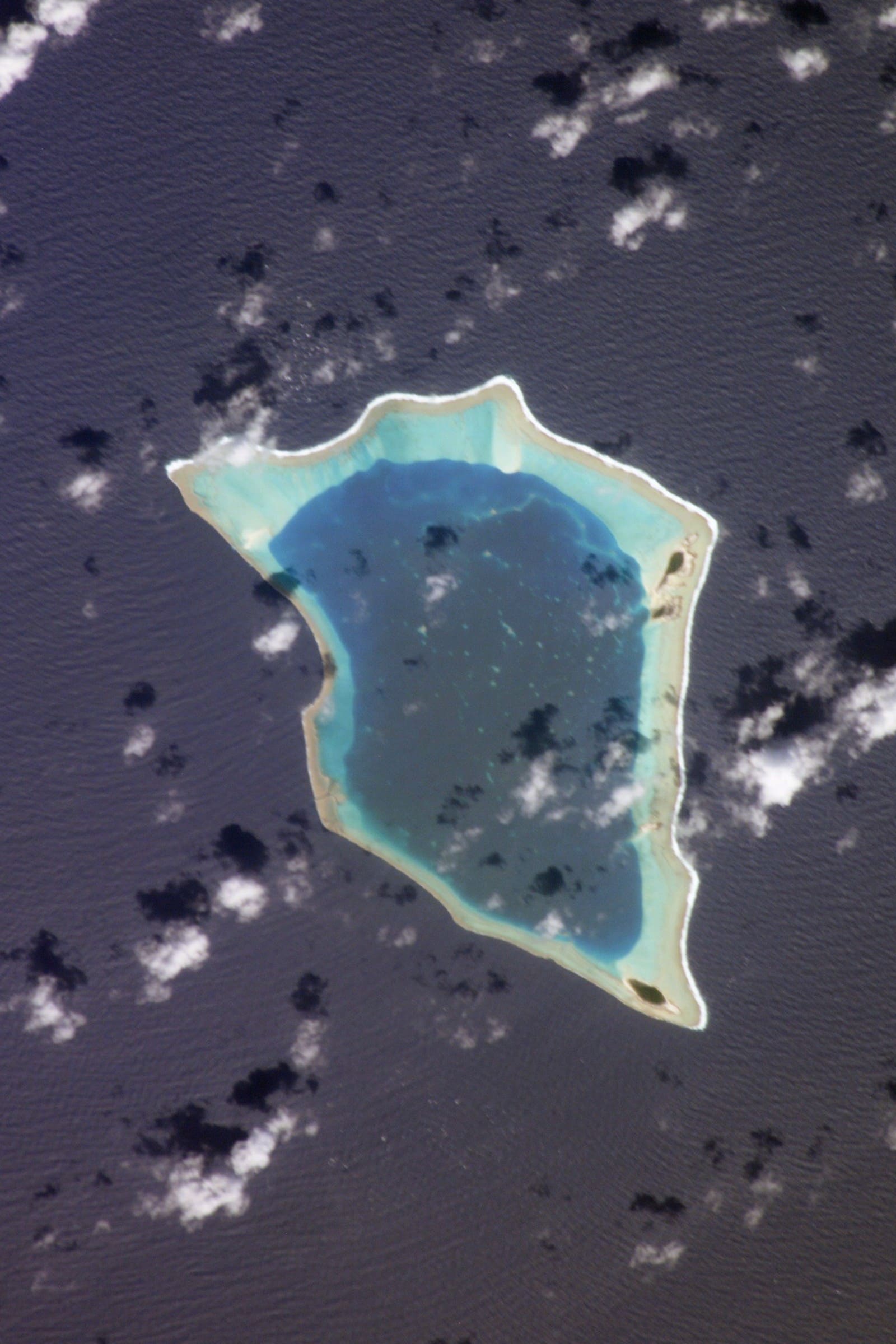
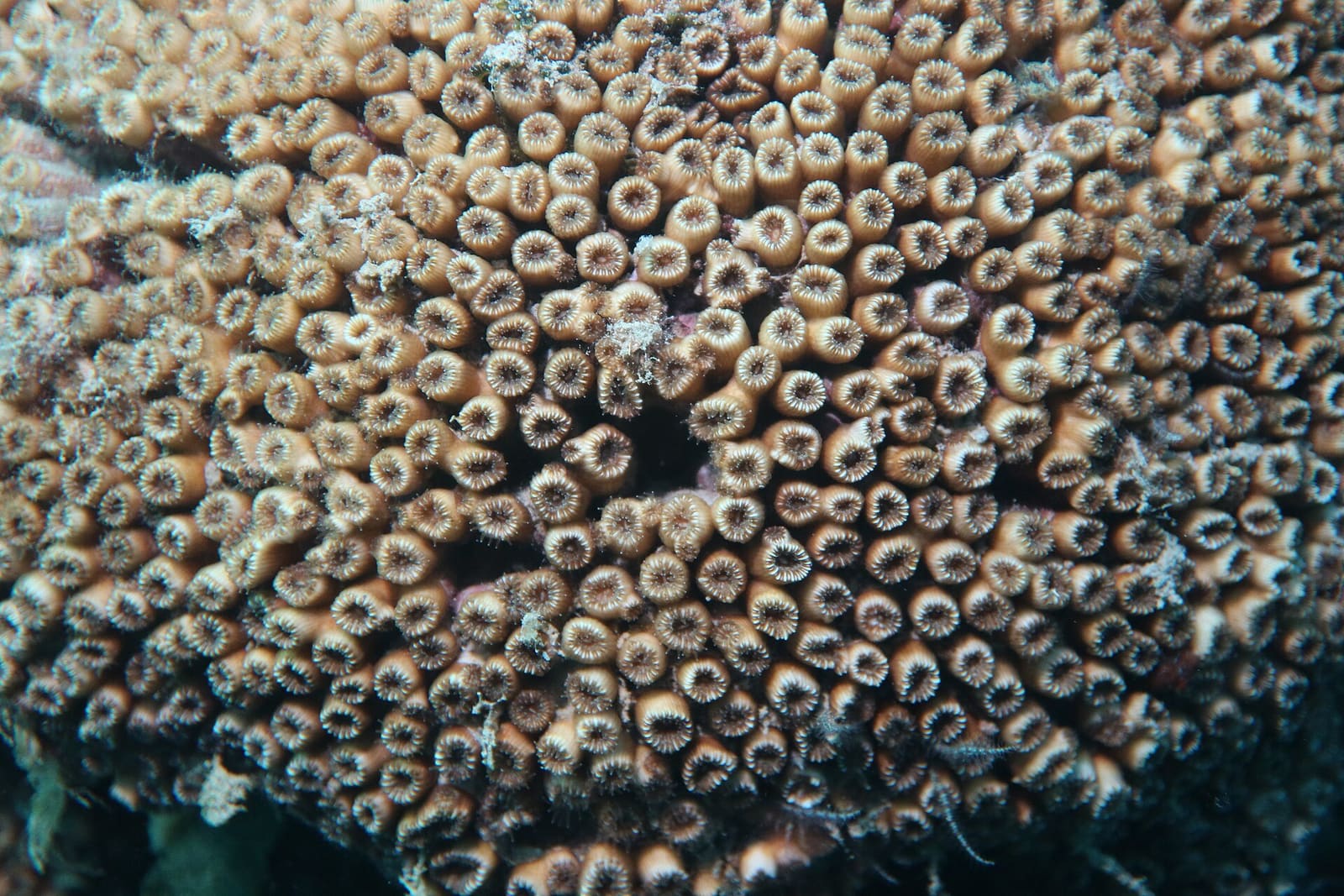
In the north of the Marshall Islands, in the middle of the Pacific, there are two atolls almost nobody visits: Bikar and Bokak. A study published on 11 November in Frontiers in Marine Science shows they hold ecosystems that are now very rare.
Far from everything
Bikar lies about 116 km from the nearest inhabited atoll, and Bokak about 385 km. In 2023, the Marshall Islands Marine Resources Authority and National Geographic’s Pristine Seas surveyed them top to bottom: vegetation, diving, underwater cameras and even a submersible for the deep water.
What they found
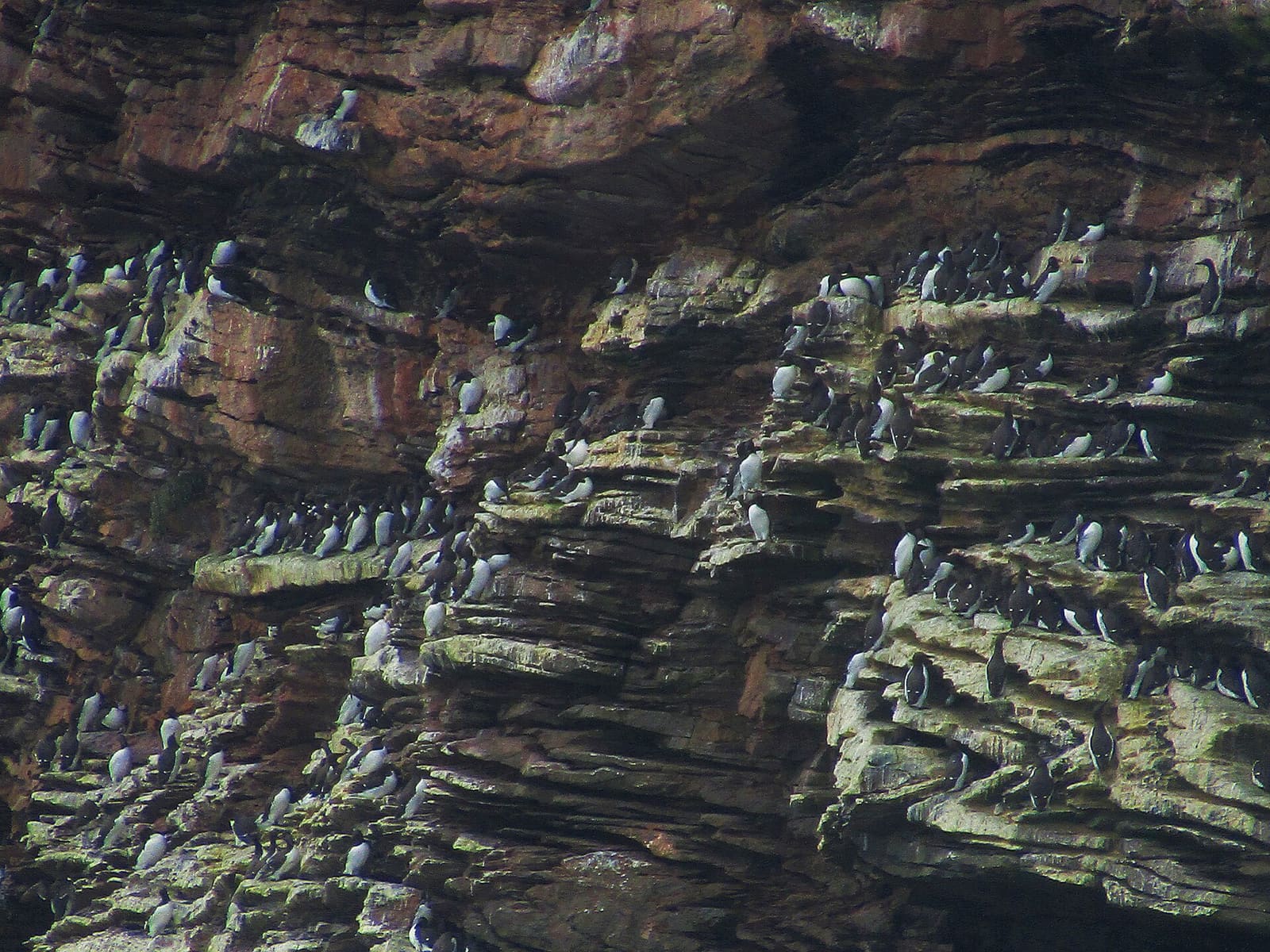
- Thriving seabird colonies and mature native vegetation.
- Predator-rich reefs, with plenty of herbivorous fish and big hunters.
- Several species that may be new records for the region, still to be confirmed.
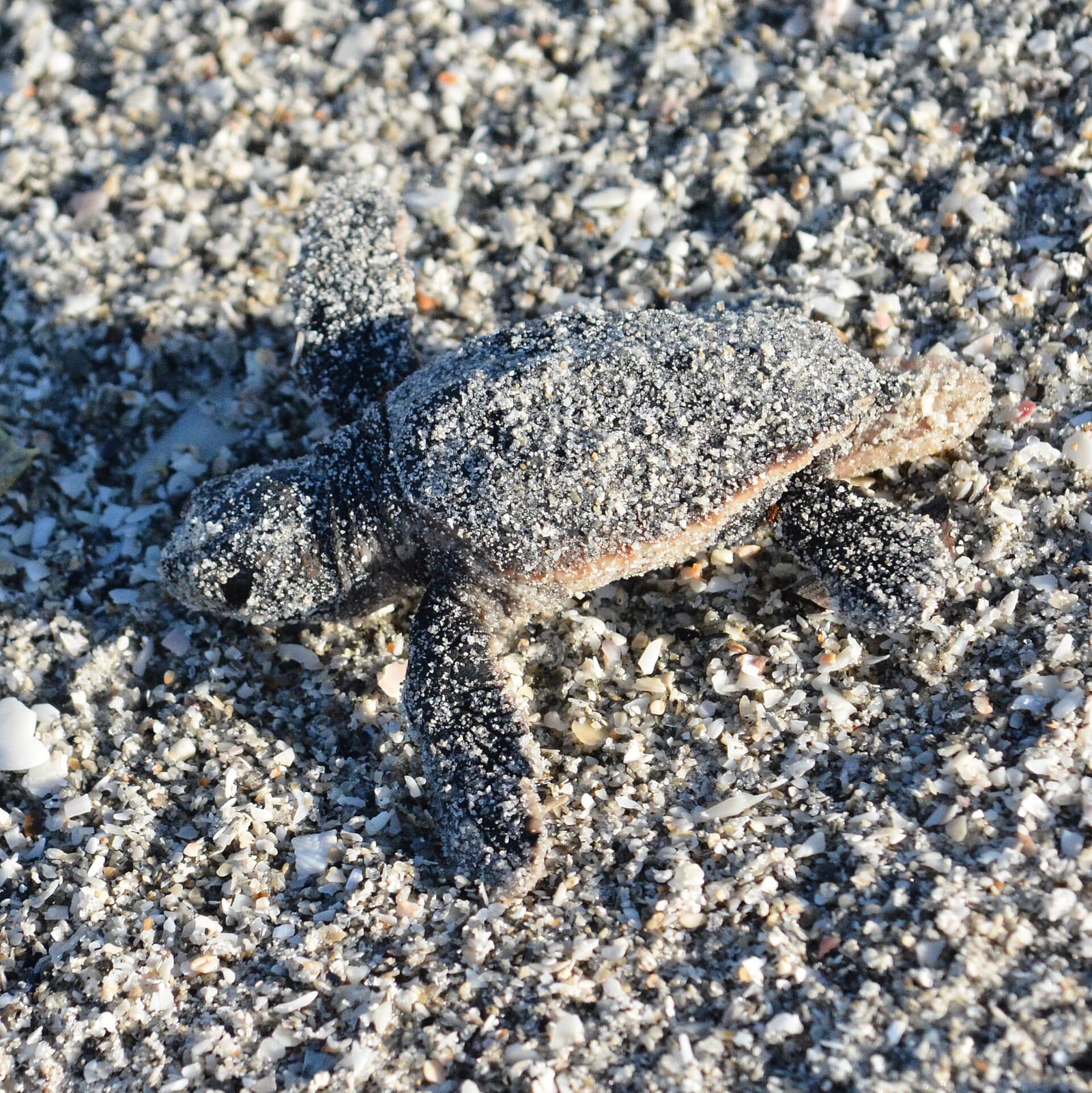
The two atolls differ. Bokak has more reef fish, more sharks and coral-dominated seabeds. Bikar has more algae, more Pisonia grandis forest, more Polynesian rats and is a key nesting site for sea turtles.
A reference point
The authors don’t claim they are completely untouched: climate and humans reach them too, and the data are from 2023. But they put them forward as reference ecosystems showing what a healthy atoll looks like.
Bikar, Bokak and their waters now form the Marshall Islands’ first national marine sanctuary.
The contrast with other reefs is stark: in Maui, pollution is harming the corals.
Sources and references
This is original editorial content based on the sources cited. Spotted a mistake? Let us know and we will fix it under our corrections policy.