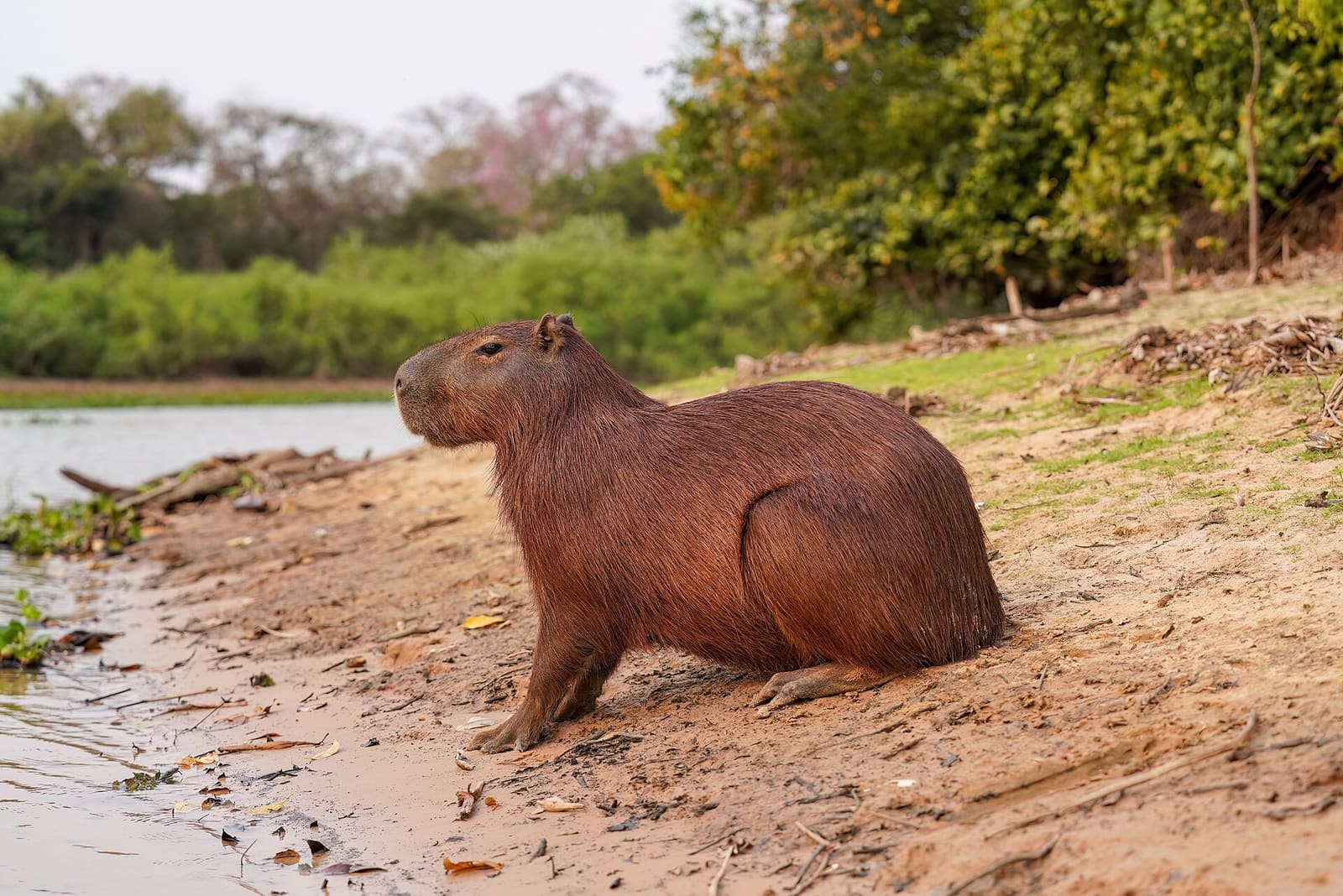
Wildlife trade involves more than 107,000 species, twice what was thought
They include up to 47,685 animal species and 42% of all described vertebrates. The authors think the figure is an underestimate.
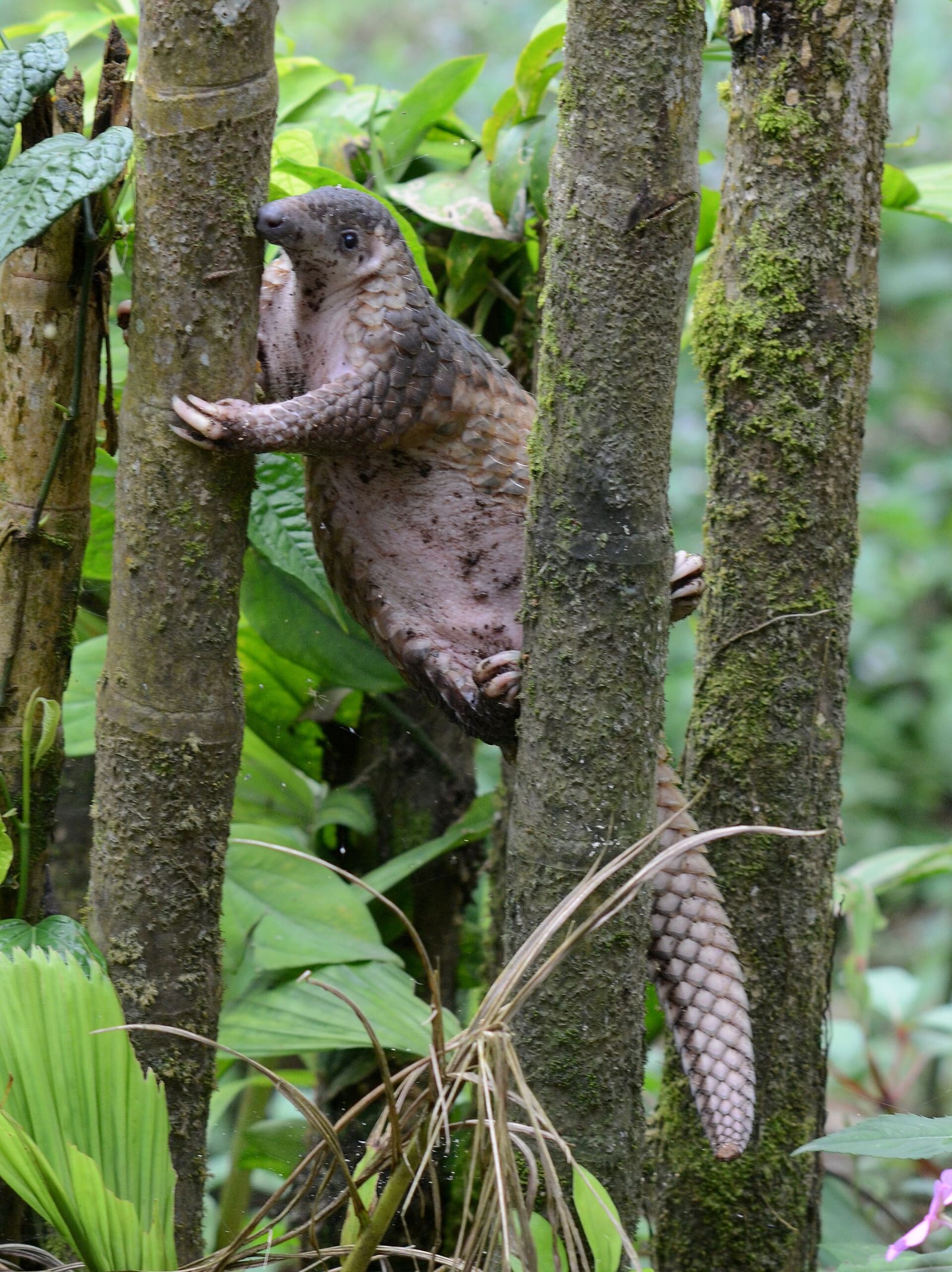
Humans use and sell far more wild species than was thought. An international study published in Science Advances puts the number at no fewer than 107,356, more than double previous figures.
What it covers
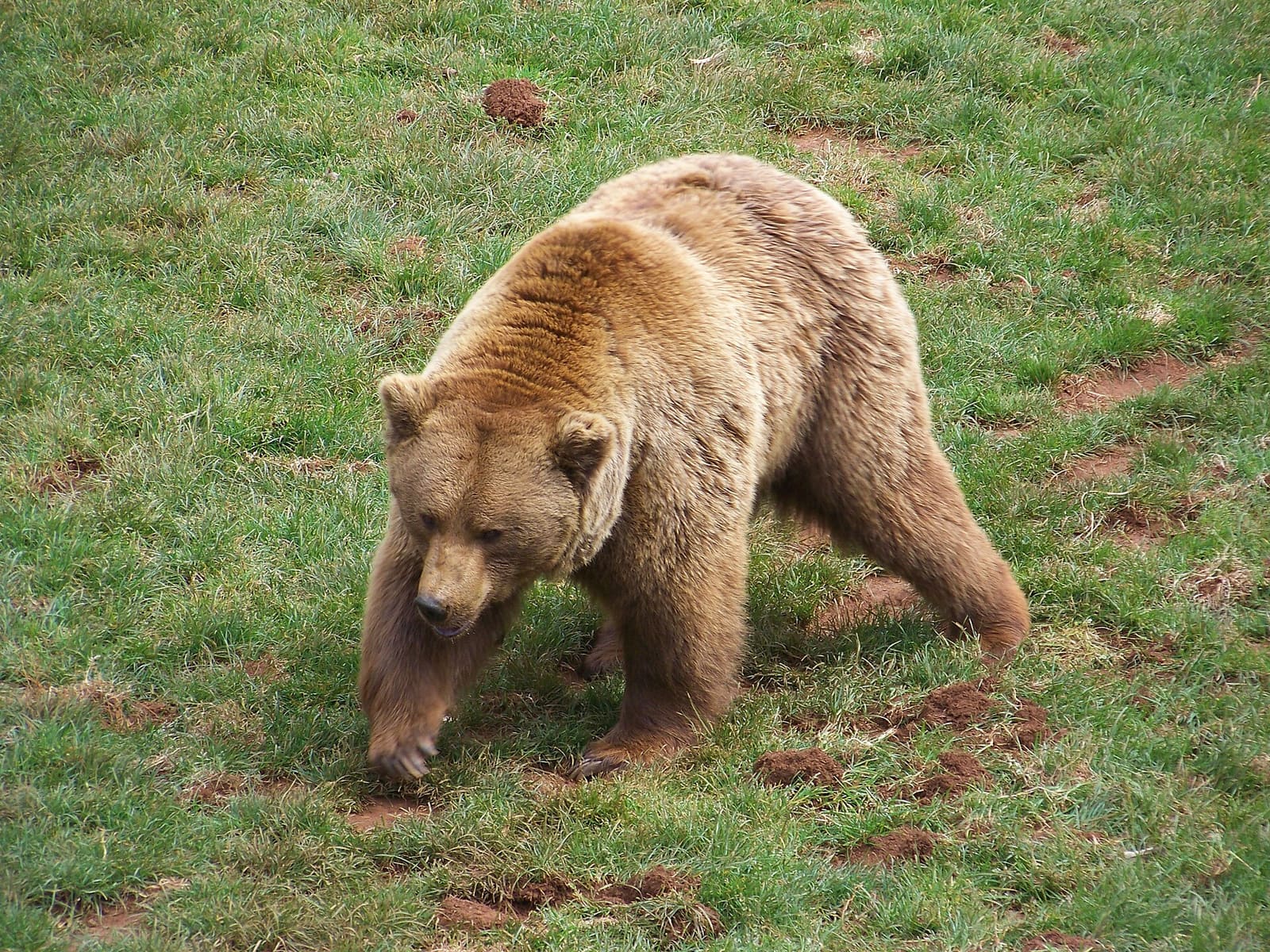
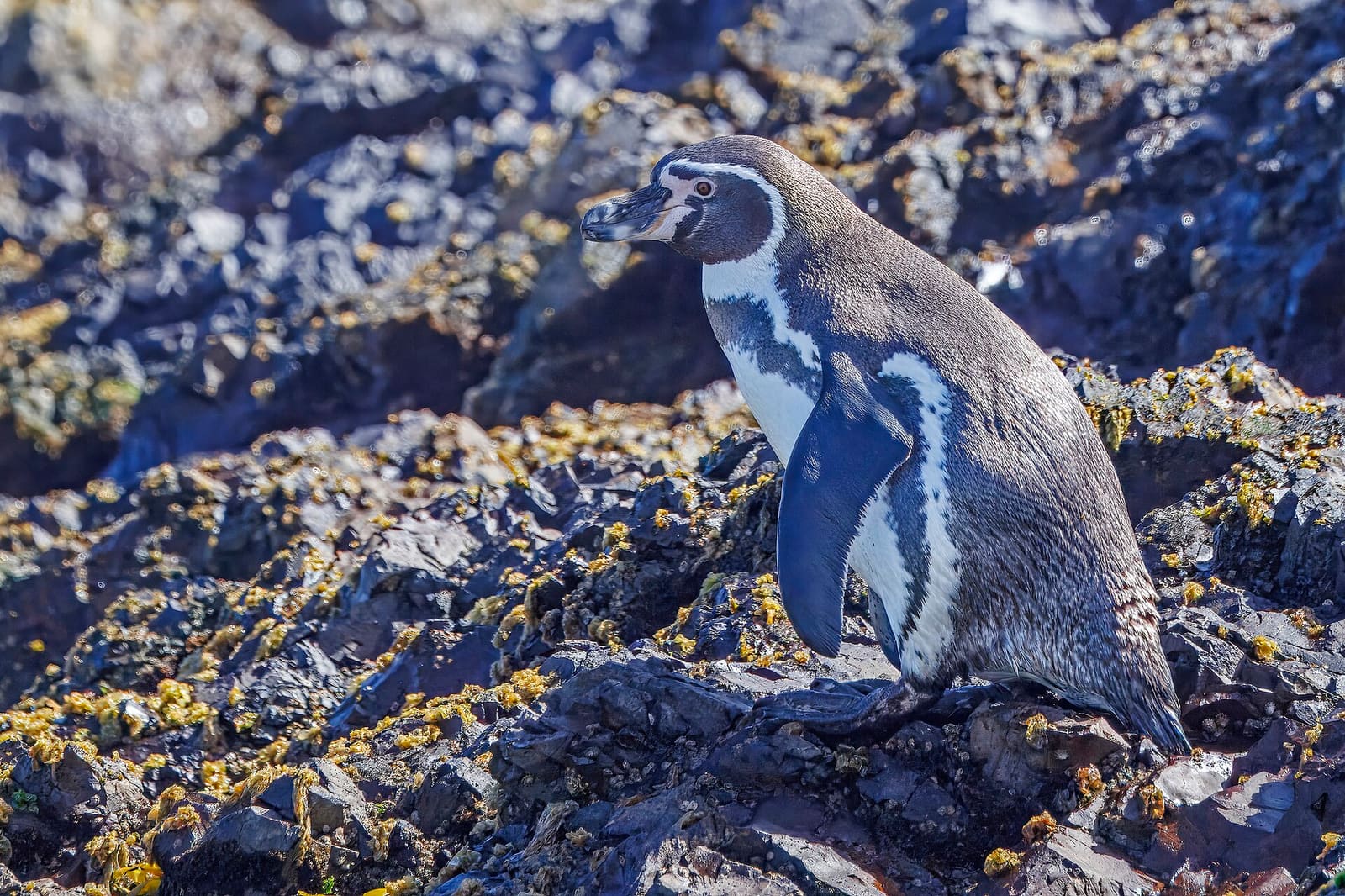
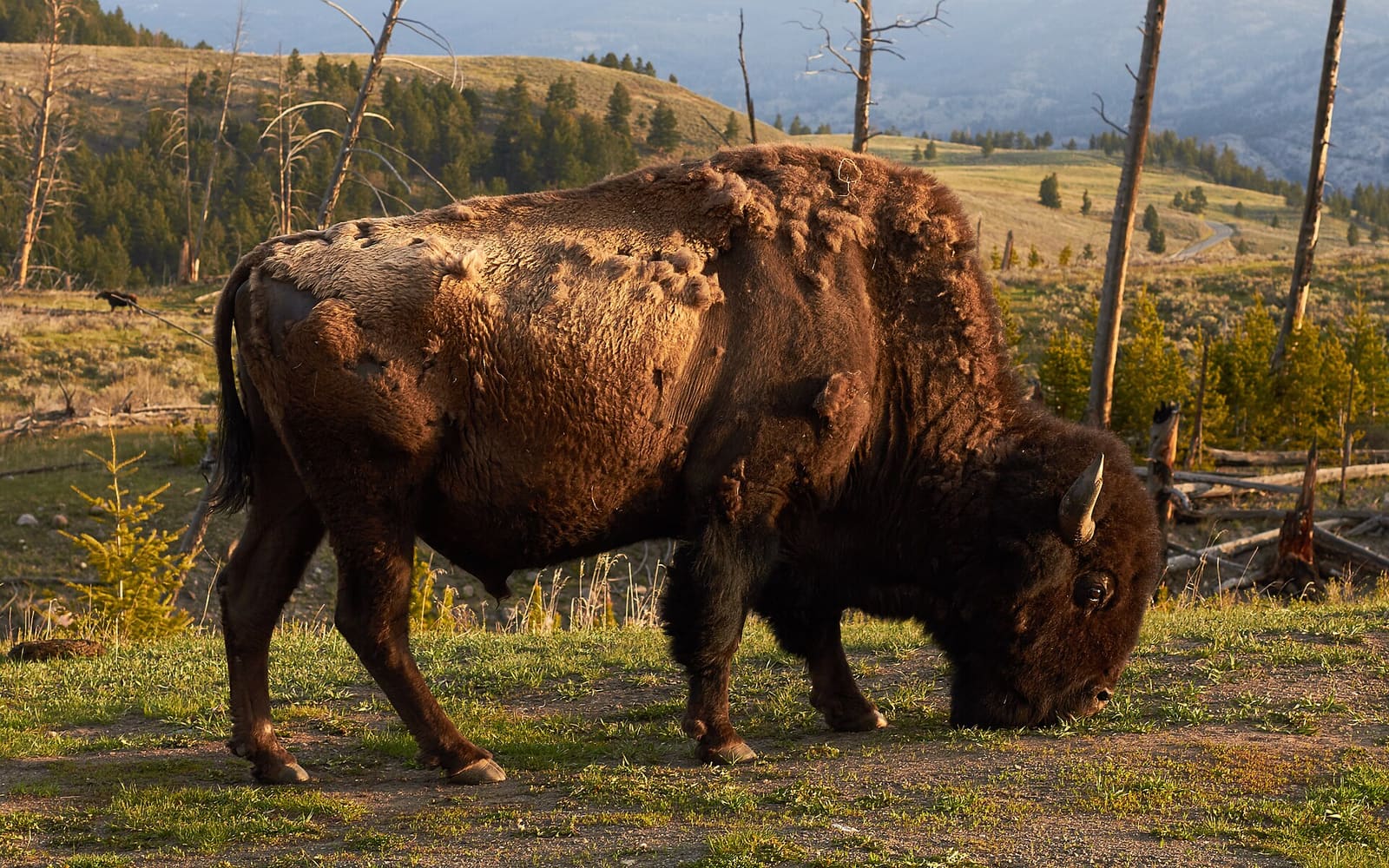
The count includes plants, animals and fungi taken from the wild or bred for sale. Up to 47,685 of them are animals. 42% of all vertebrate species described by science are traded.
The authors believe the figure is an underestimate. More than a quarter of the animals appear only in records of what enters the United States: for many other countries there is hardly any data.
Mostly legal
Most of this trade is legal, and it is worth about ten times more than the illegal trade. The problem is that it is often unknown how many individuals are sold or whether they come from the wild or from breeding facilities.
“Far greater than recognised”
Samuel Pironon, of Queen Mary University of London and a co-author of the study, says the scale of wildlife trade is “far greater than previously recognised”. He wants better monitoring to become “an international priority”.
An example from the illegal side: the trafficking of Galápagos marine iguanas.
Sources and references
- Queen Mary University of London – Global wildlife trade involves more than 100,000 species, new study reveals (03/11/2026)
- Down To Earth – Global wildlife trade involves more than 107,000 species, twice previous estimates (11/2026)
This is original editorial content based on the sources cited. Spotted a mistake? Let us know and we will fix it under our corrections policy.