CITES lifts sanctions on Laos, and conservationists fear for macaques
Laos is suspected of wanting off the blacklist mainly to export long-tailed macaques from its breeding farms.
CITES, the convention that regulates international trade in wild species, has lifted its sanctions on Laos. Its Standing Committee decided on 4 November in Geneva, saying the country had made “significant progress”. Many conservationists aren’t so sure.
Why it was sanctioned
In 2023, CITES penalised Laos for failing to curb the criminal networks trafficking wildlife and for not regulating its tiger and bear bile farms. In 2025, a Mongabay investigation found 35 illegal shops in Vientiane and Luang Prabang selling ivory, rhino horn and pangolin scales.
What Laos has done
According to its Forestry Department, authorities inspected 25 shops, closed six and detained 27 foreign nationals. By August 2026 most shops had closed, although six or seven are thought to still be open. The country also seized more than 1,755 kilos of ivory.
Macaques at the centre
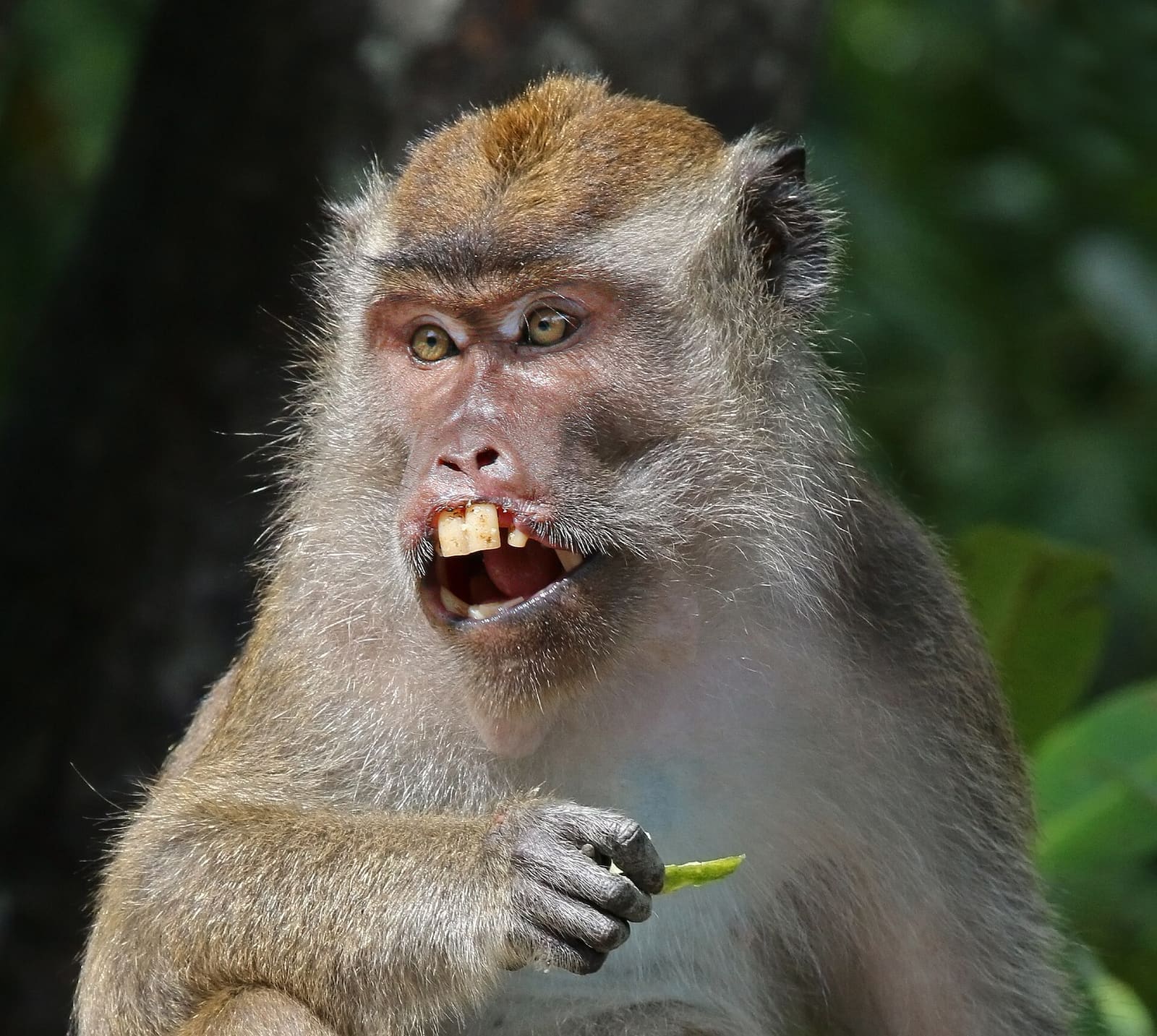
Several sources believe Laos wanted off the blacklist mainly to export long-tailed macaques, widely used in laboratories. There are at least ten breeding facilities in the country. Elsewhere, some facilities have been found passing off wild monkeys as captive-bred.
Nobody really knows how many remain in the wild: a local study puts it at more than 30,000, but other experts think there may be only a few hundred.
That’s why, at the proposal of Germany and the UK, macaque exports won’t start until annual quotas, individual identification and pre-shipment checks are in place.
“Premature”
Debbie Banks, of the Environmental Investigation Agency, calls the decision “premature” and wants action against those at the top of the trafficking networks.
Wildlife trade is far bigger than was thought: it involves more than 107,000 species.
Sources and references
This is original editorial content based on the sources cited. Spotted a mistake? Let us know and we will fix it under our corrections policy.