What happens if the Amazon runs short of rain? A 25-year experiment has the answer
The big trees died first. Then the small ones made use of the water and the forest found a new balance: shorter and with less carbon.
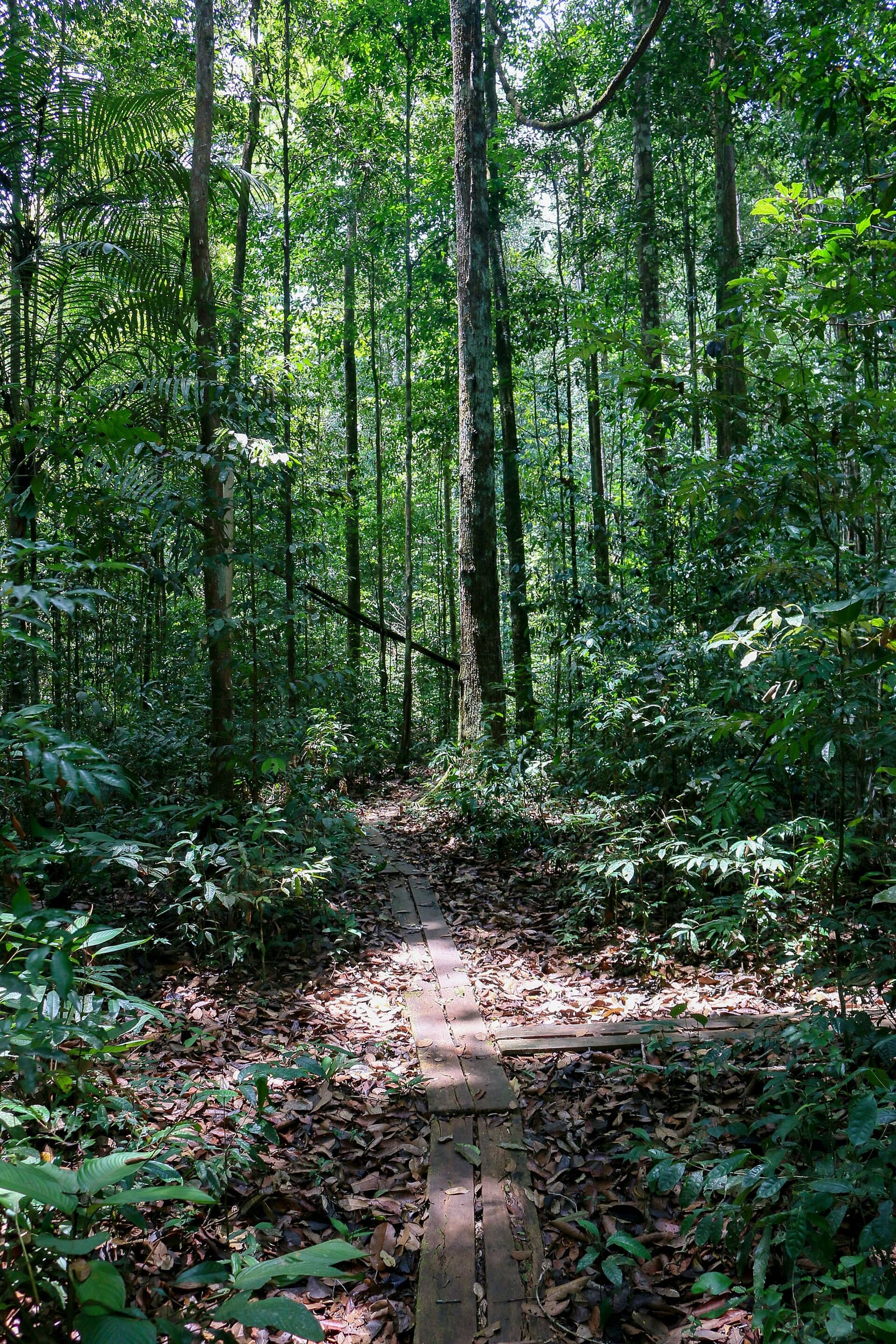
What would happen to the Amazon if it stopped getting enough rain? Rather than wait to find out, a group of scientists made it happen. For 23 years they kept half the rain off a patch of rainforest. Mongabay now looks back at what they’ve learned.
A roof over the forest
The Esecaflor experiment began in 2001 in Caxiuanã National Forest, in the Brazilian state of Pará. Over one hectare of forest they set up about 6,000 transparent plastic panels, one to four metres above the ground. They diverted about 50% of the rain. Next to it, an untouched hectare served for comparison.
They measured everything: soil moisture, temperature, tree growth, sap flow and roots. The panels were removed in November 2024.
What happened
- For the first three years, almost nothing: water stored in the soil kept things going.
- In year five trees began to die, especially the big ones, with trunks over 50 cm across.
- By year eight, 40% of the biomass had been lost.
- By 2024, almost 50%. But the smaller trees made use of the remaining water and started growing: mortality reversed.
Not a savanna
The result is a forest that is shorter, less dense and holds much less carbon, but which found a new balance. “The rainforest will never transform into a savanna,” says researcher Lucy Rowland, of the University of Exeter. It is something else: a new, highly degraded ecosystem.
One big question remains: whether giant trees such as kapok or andiroba can come back. According to Rowland, it could take decades or even centuries.
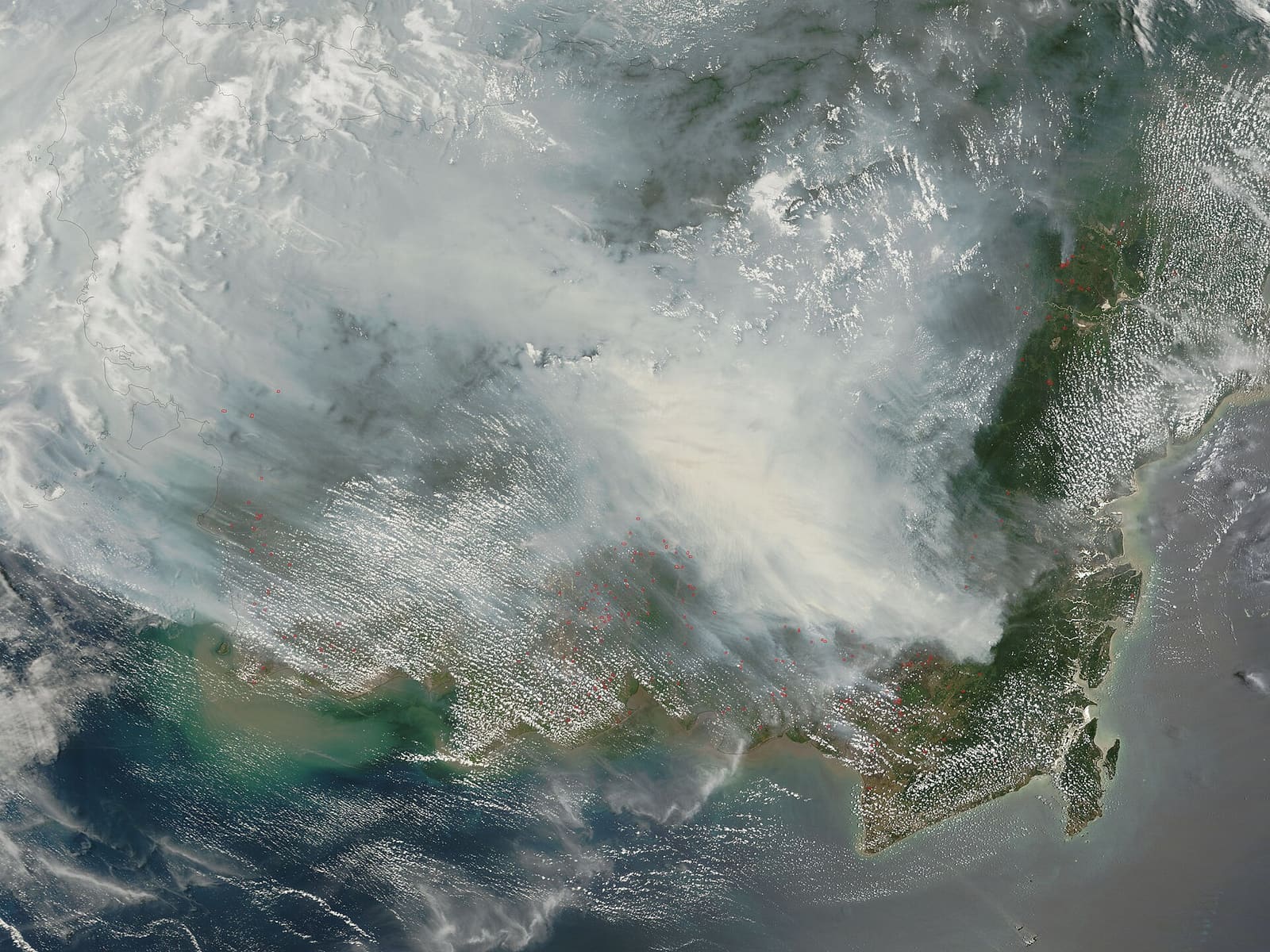
Drought is already being felt in the real Amazon: the smoke from the fires around Manaus.
Sources and references
This is original editorial content based on the sources cited. Spotted a mistake? Let us know and we will fix it under our corrections policy.