US wildfires set a record and threaten drinking water for up to 15 years
Treatment plants have to shut their intakes when water arrives loaded with ash and sediment.
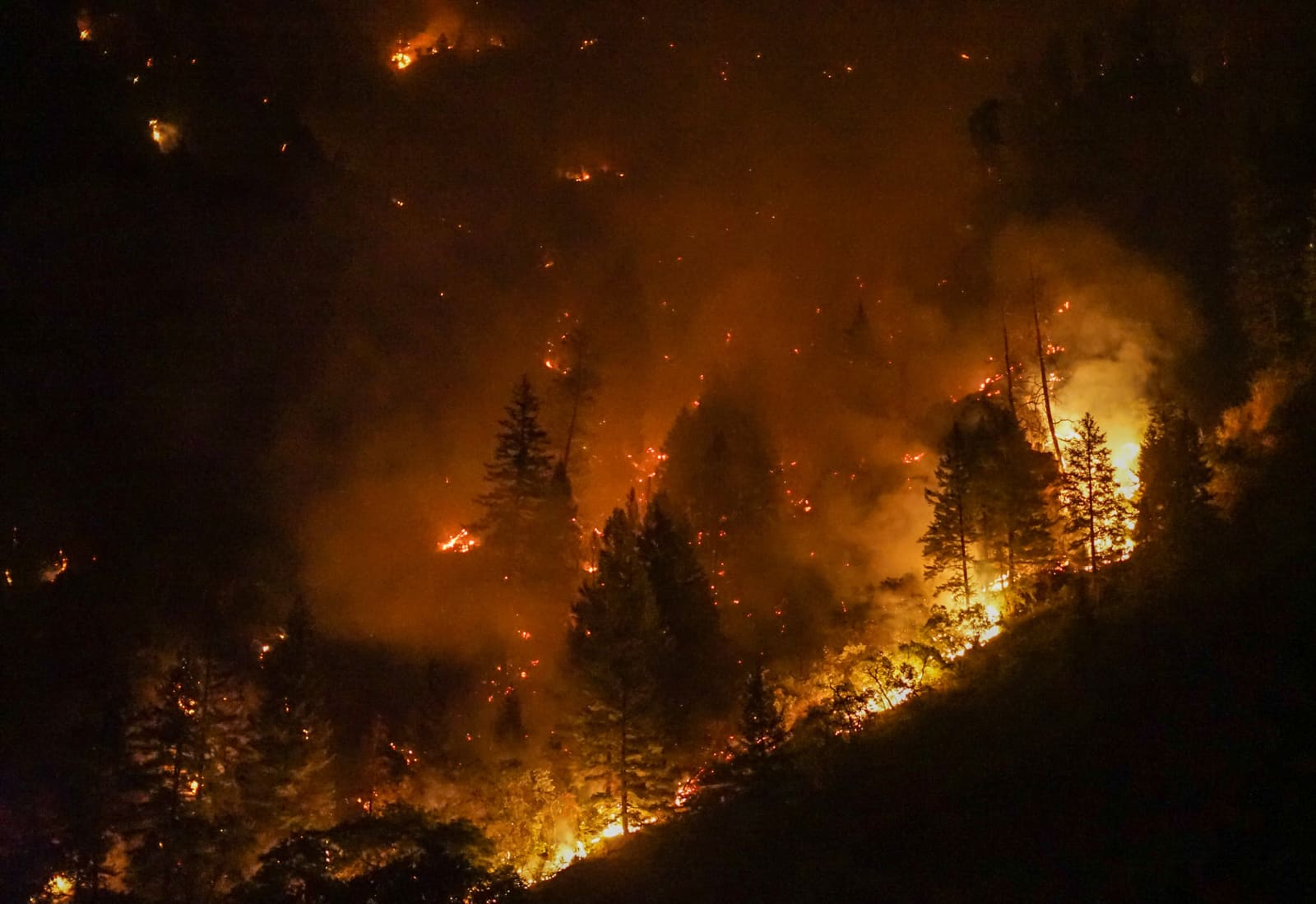
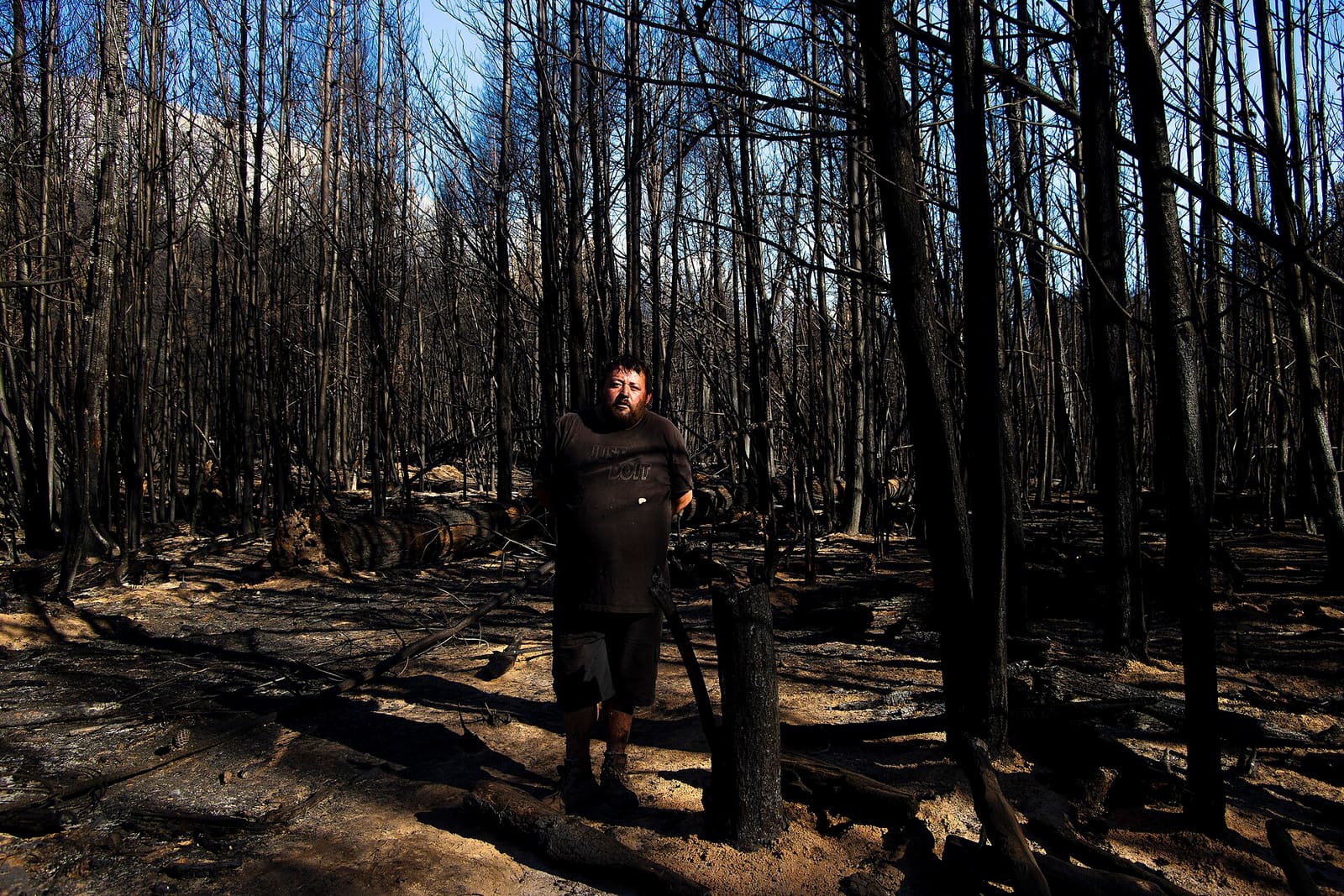
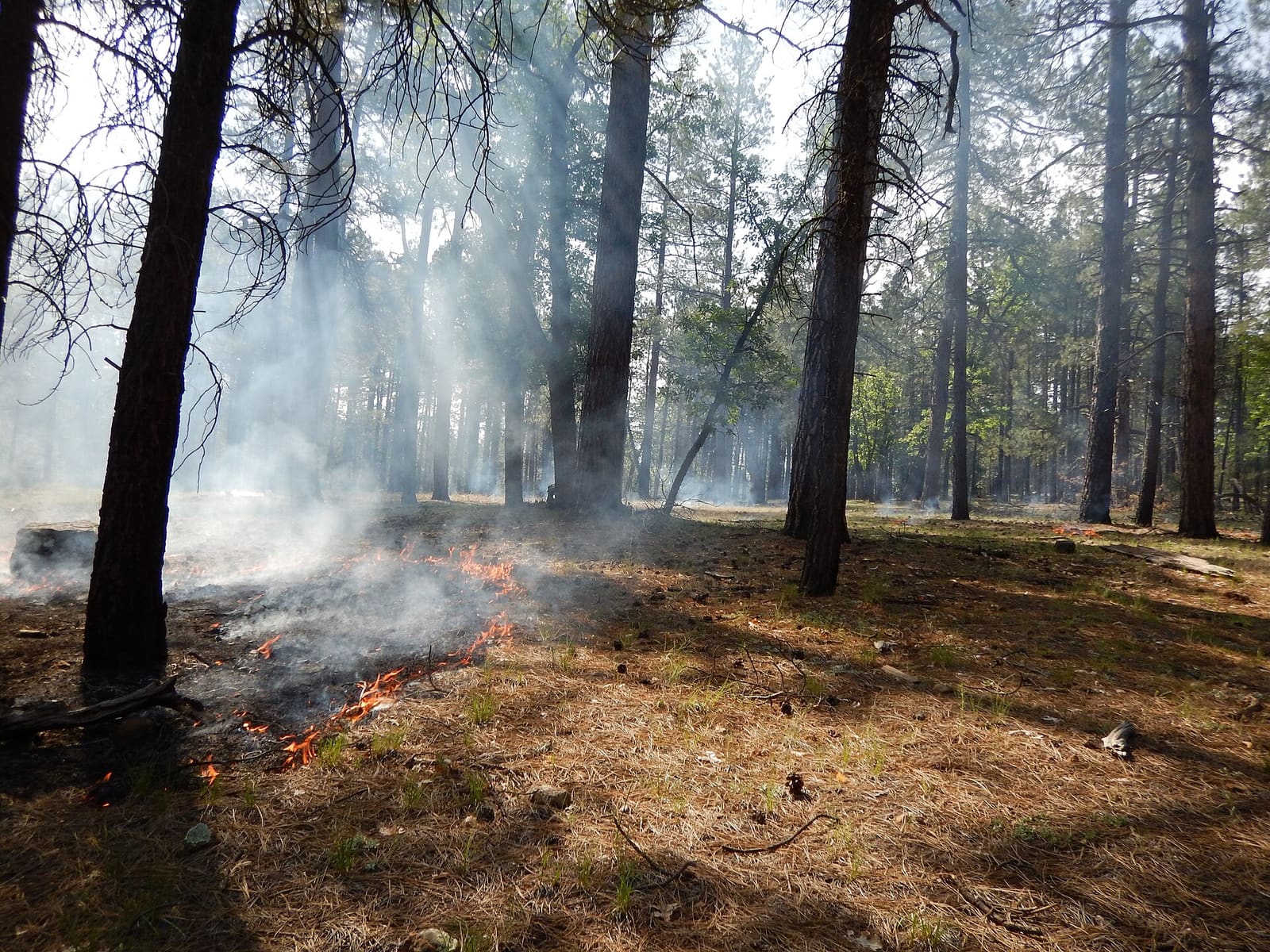
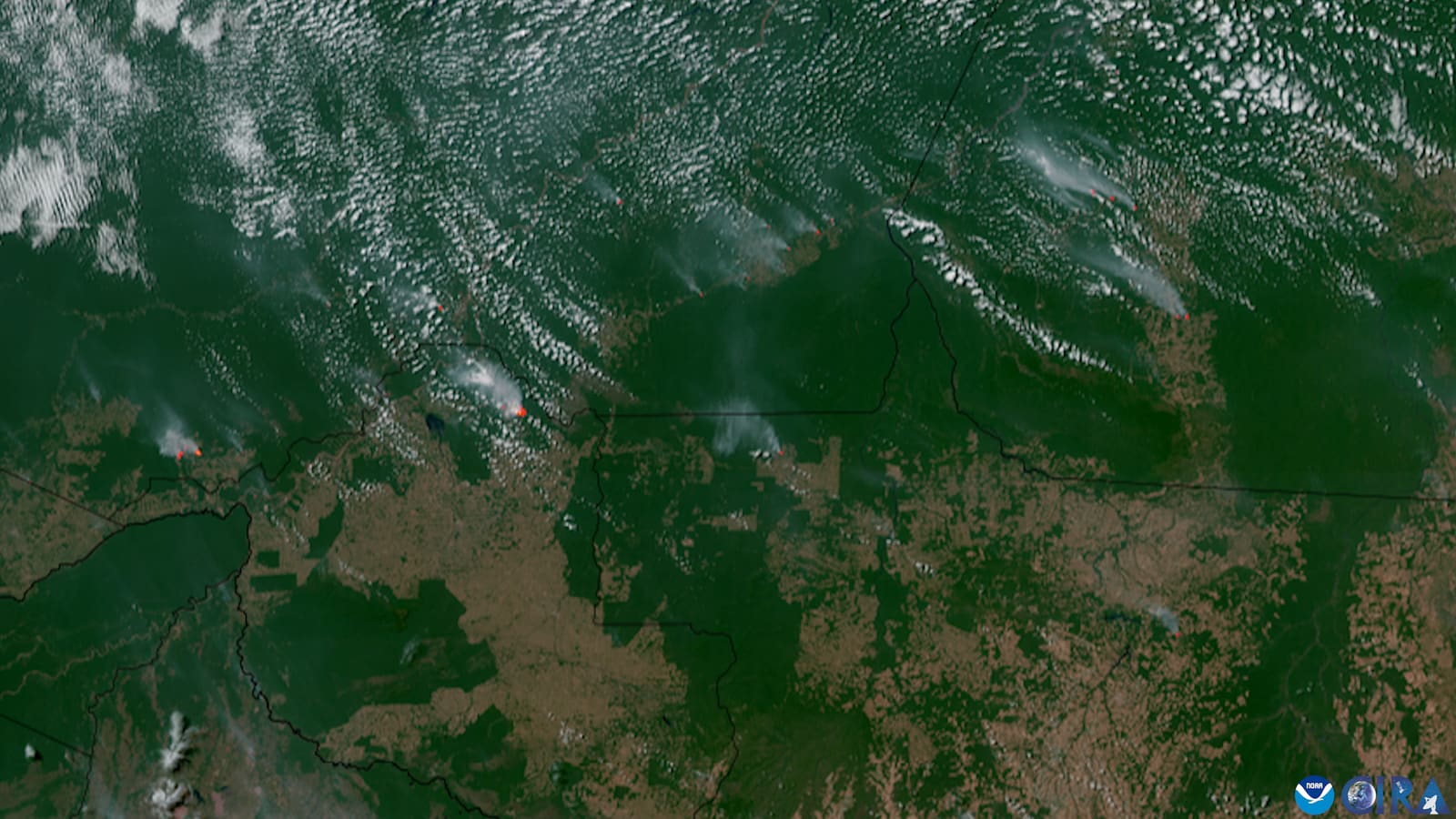
Wildfires in the United States set a record in 2026: they burned more than 14,062 square miles, about 36,400 km². But the damage doesn’t end when the fire goes out. It reaches tap water too.
Ash in the rivers
After a fire, rain washes ash and organic matter into the streams and rivers that feed cities’ treatment plants. When water arrives loaded with sediment, utilities have to shut their intakes and, if they can, switch to another source.
Up to 15 years
New studies show a fire can affect water for up to 15 years. It isn’t just a problem for the summer of the fire, but for many rainy winters and springs after it.
More fire because of climate
Climate change has increased the number and size of wildfires in the US. And the more that burns, the more drinking-water catchments are exposed.
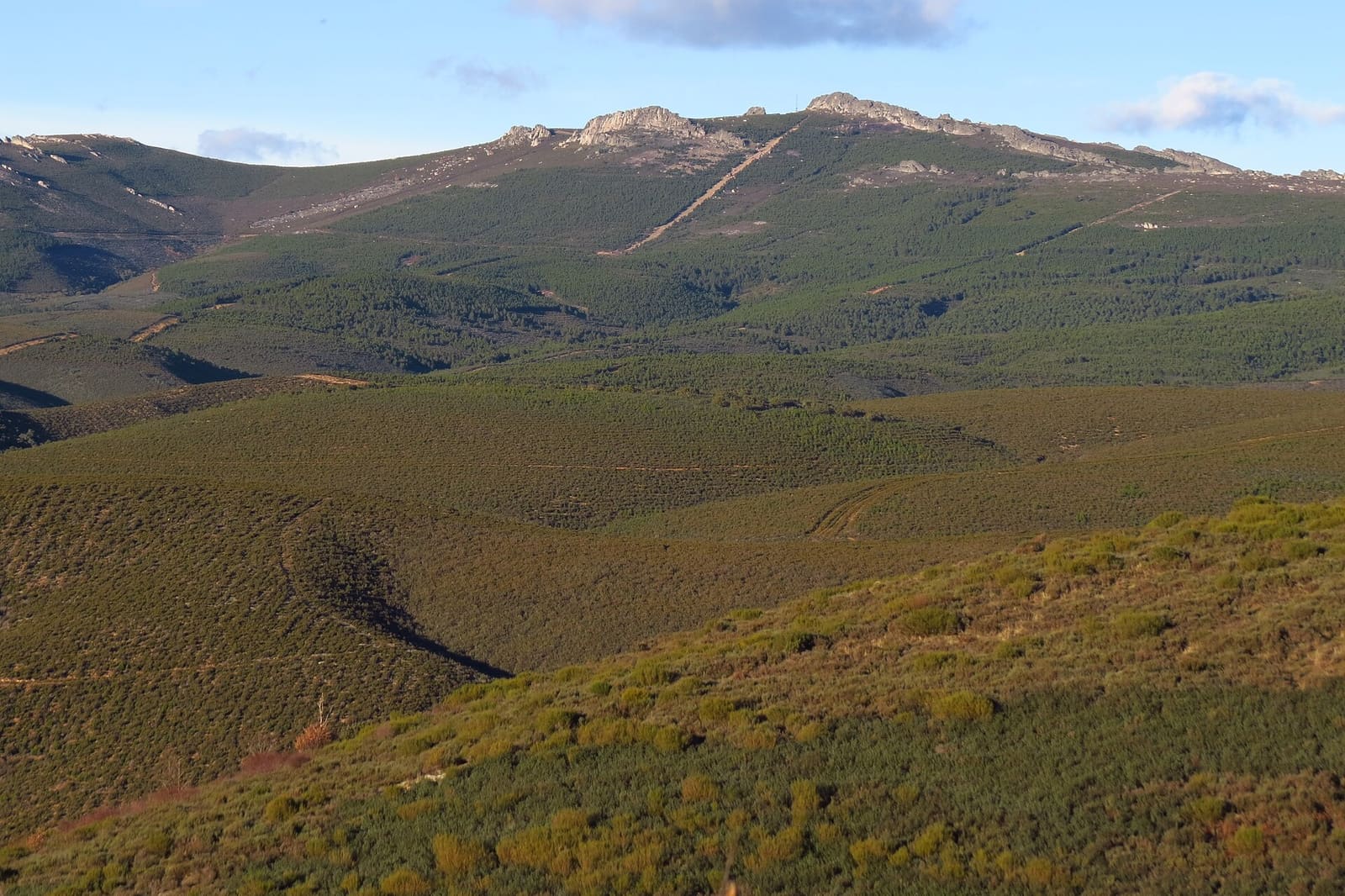
Spain knows well what happens after a big fire: the soils of burnt hills in Castilla y León also take years to recover.
Sources and references
This is original editorial content based on the sources cited. Spotted a mistake? Let us know and we will fix it under our corrections policy.