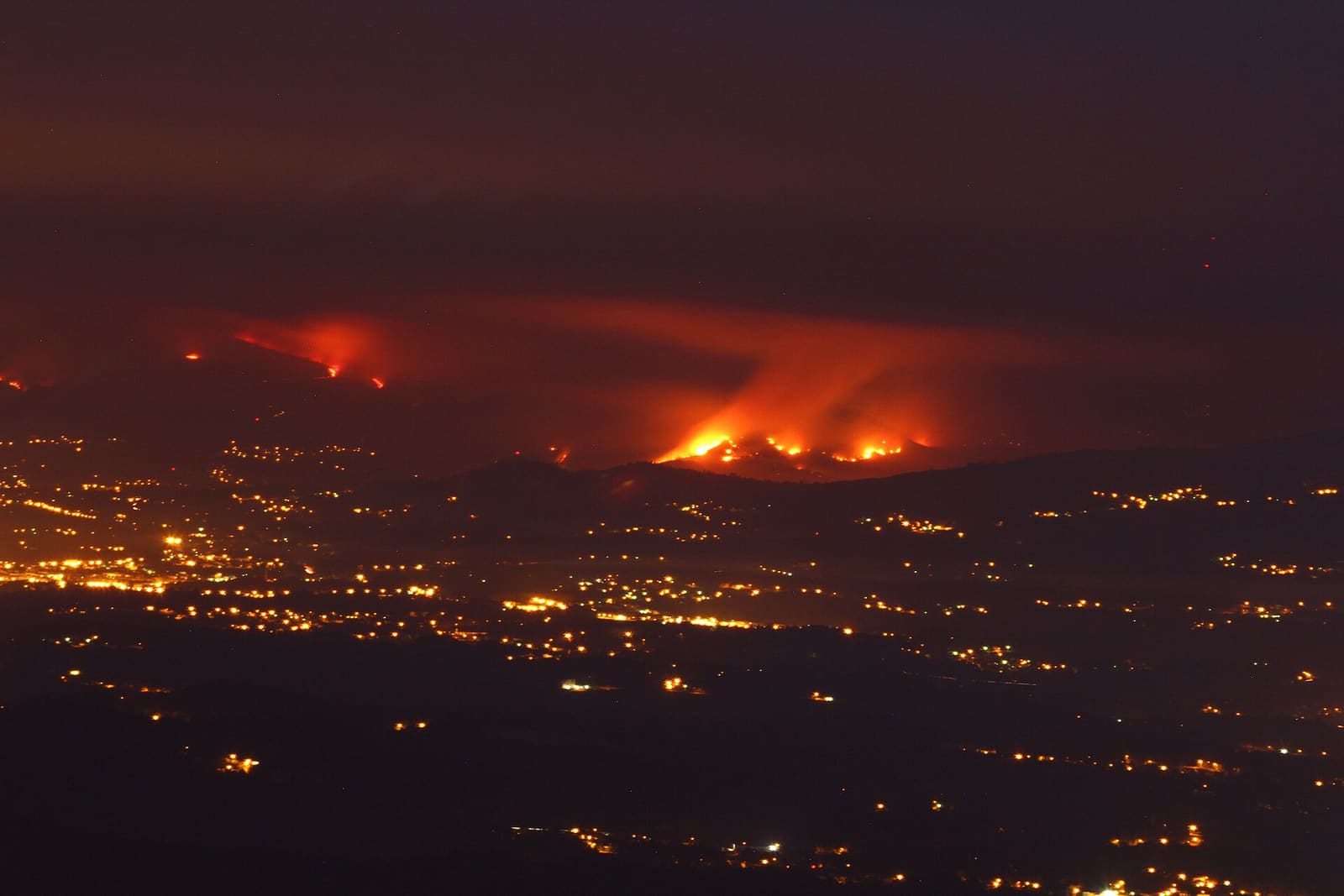
El Niño brought the drought, but climate change fanned Indonesia's fires
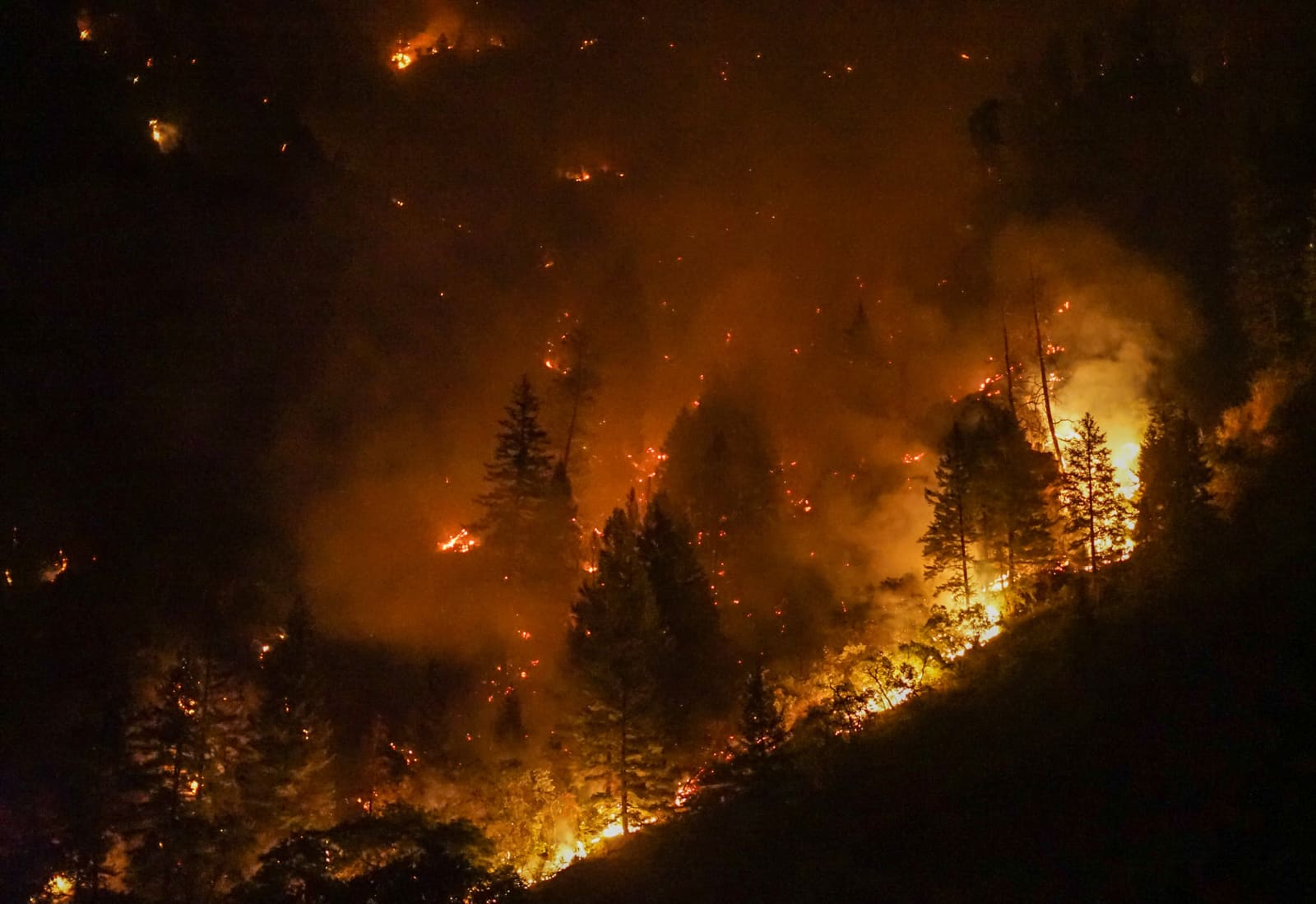
About 1.9 million hectares burned and 12.5 million people breathed smoke across four countries. Orangutans fled into plantations.
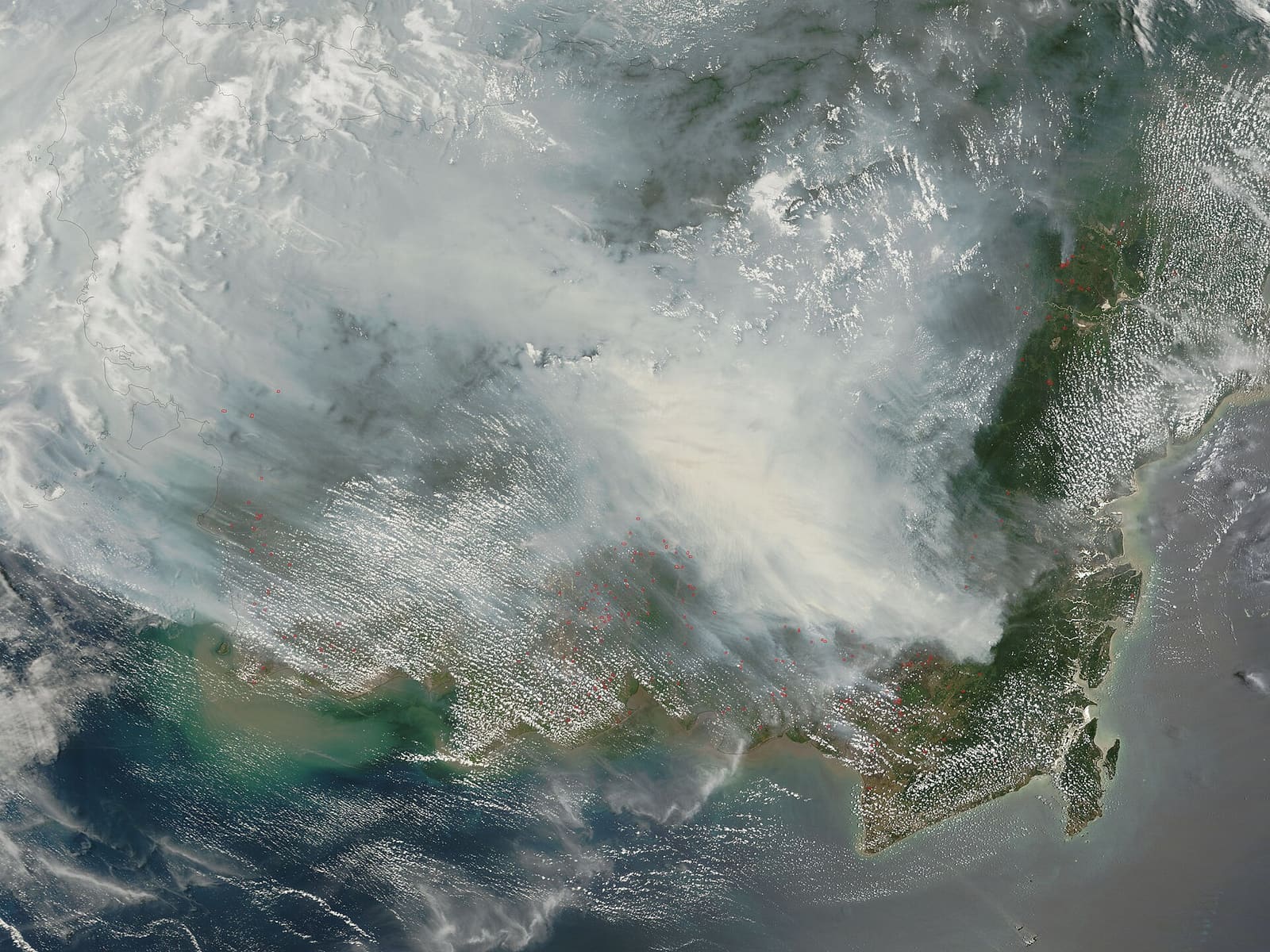
Indonesia’s 2026 fire season has been one of the worst in a decade. A World Weather Attribution (WWA) analysis published on 12 November shares out the blame: El Niño brought the drought, but climate change made the heat far more extreme.
A disastrous season
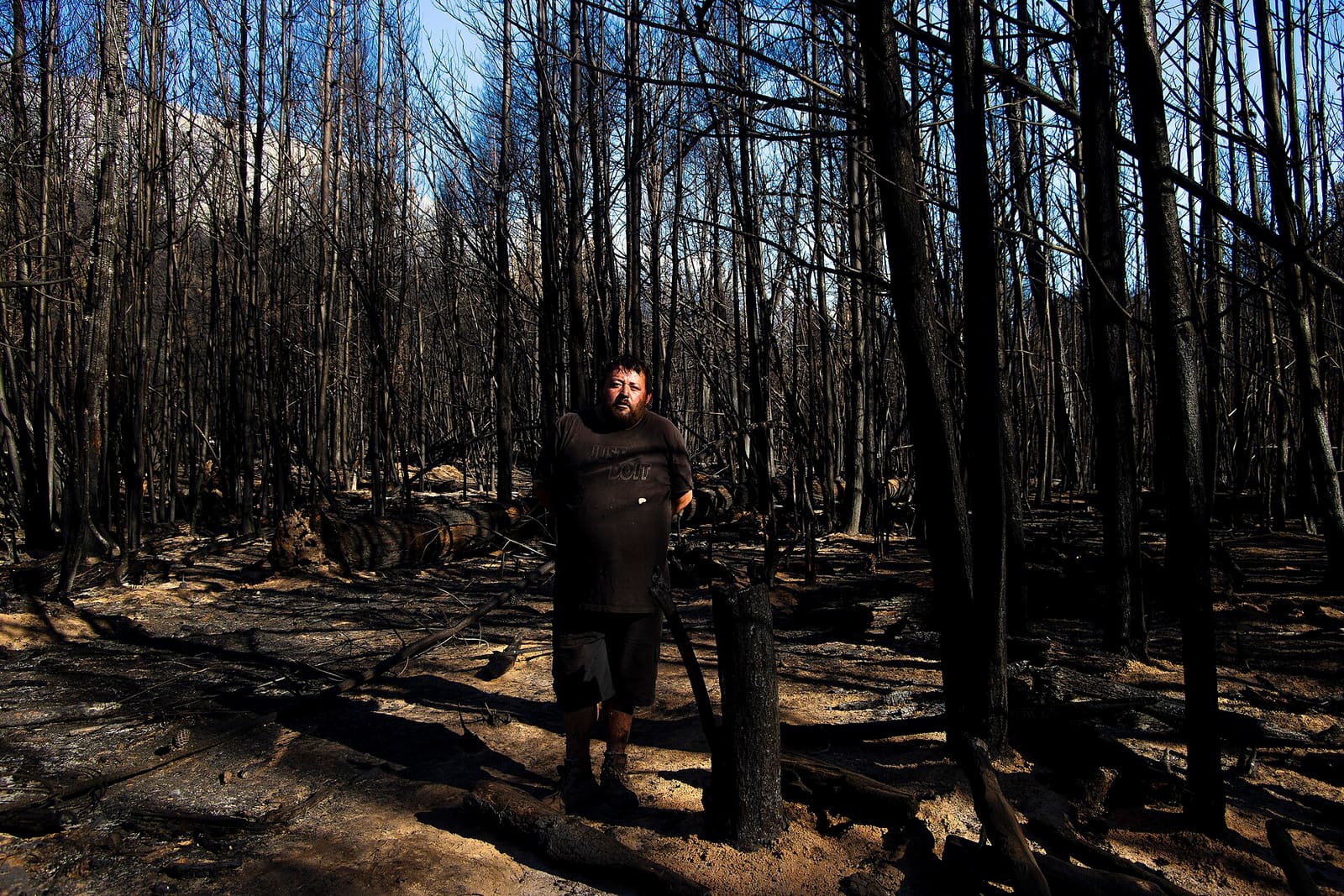
Between August and October, with a strong El Niño and record heat, about 1.9 million hectares burned by September alone. The worst-hit areas were West and Central Kalimantan (Borneo) and South Sumatra.
Smoke reached about 12.5 million people in Indonesia, Malaysia, Singapore and Timor-Leste. Indonesia recorded more than 400,000 respiratory infections, closed schools and cancelled flights. The year’s emissions are approaching those of 2015.
Who’s to blame
- El Niño mainly explains the lack of rain: rainfall was roughly halved.
- Climate change made multi-day hot, dry air about three times more likely, the conditions that prime the fuel. Seasonal temperatures were about 1.6°C higher because of warming. The authors say it is “by far the biggest contributor” to that heat.
Drained peatlands
The third culprit is the land. Between 1990 and 2010, 45% of Borneo’s peat swamp forest and 63% of Sumatra’s disappeared. Drained peat burns very easily and for weeks.
Wildlife too
The fires destroyed orangutan habitat, pushing them into plantations and villages. In Java they damaged areas used by the Sunda pangolin and the Javan leopard. Scientists call for restoring peatlands, keeping water tables high and protecting forests.
Indonesia is also home to the Bangka slow loris, a threatened primate.
Sources and references
This is original editorial content based on the sources cited. Spotted a mistake? Let us know and we will fix it under our corrections policy.