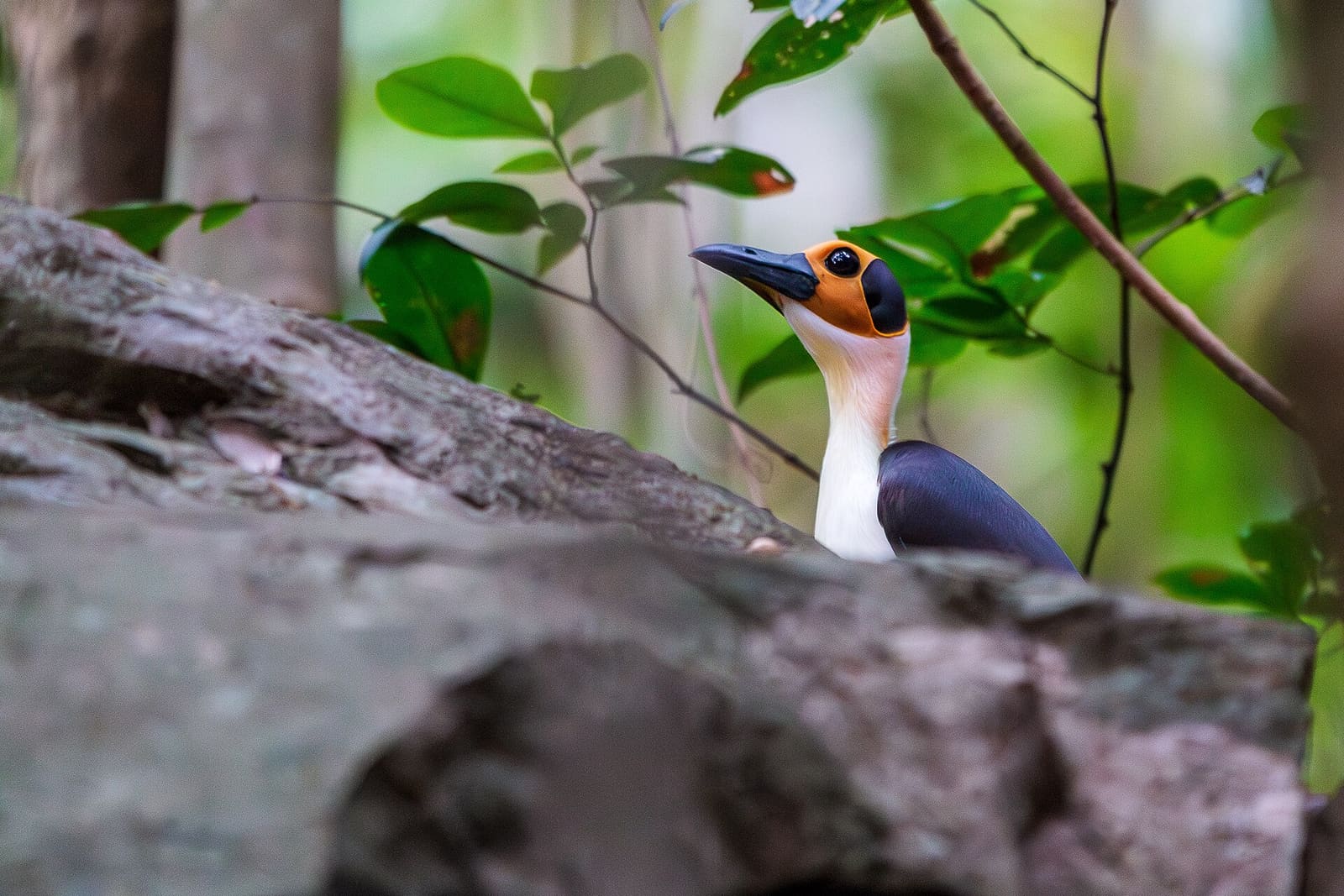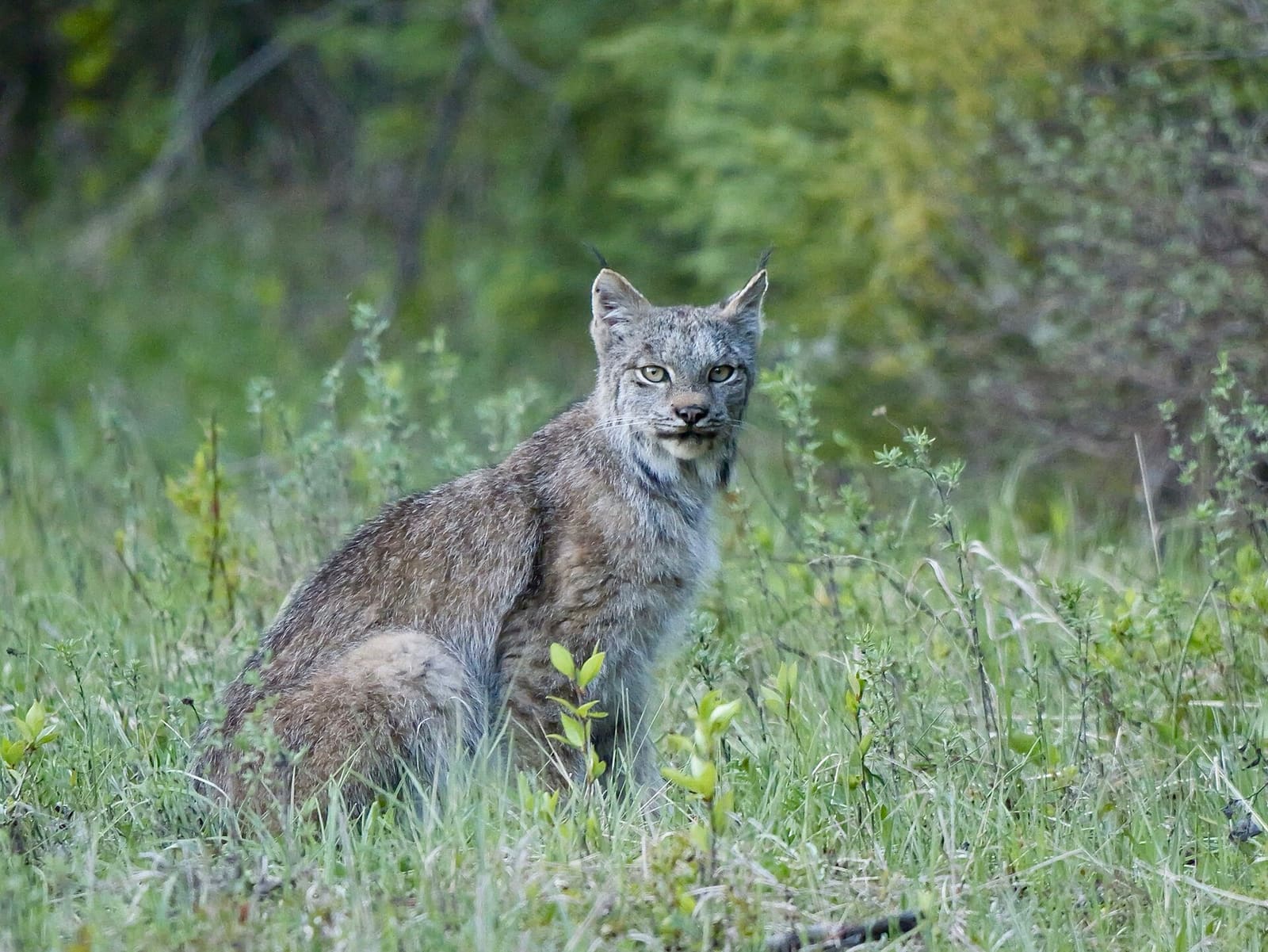
Colombia's Tayrona park reopens after a 15-day rest: cameras caught jaguars, pumas and an endangered bird
The closure, called Nabbatashi, is one of three the park makes every year by agreement with the peoples of the Sierra Nevada de Santa Marta. Here's how to visit now.
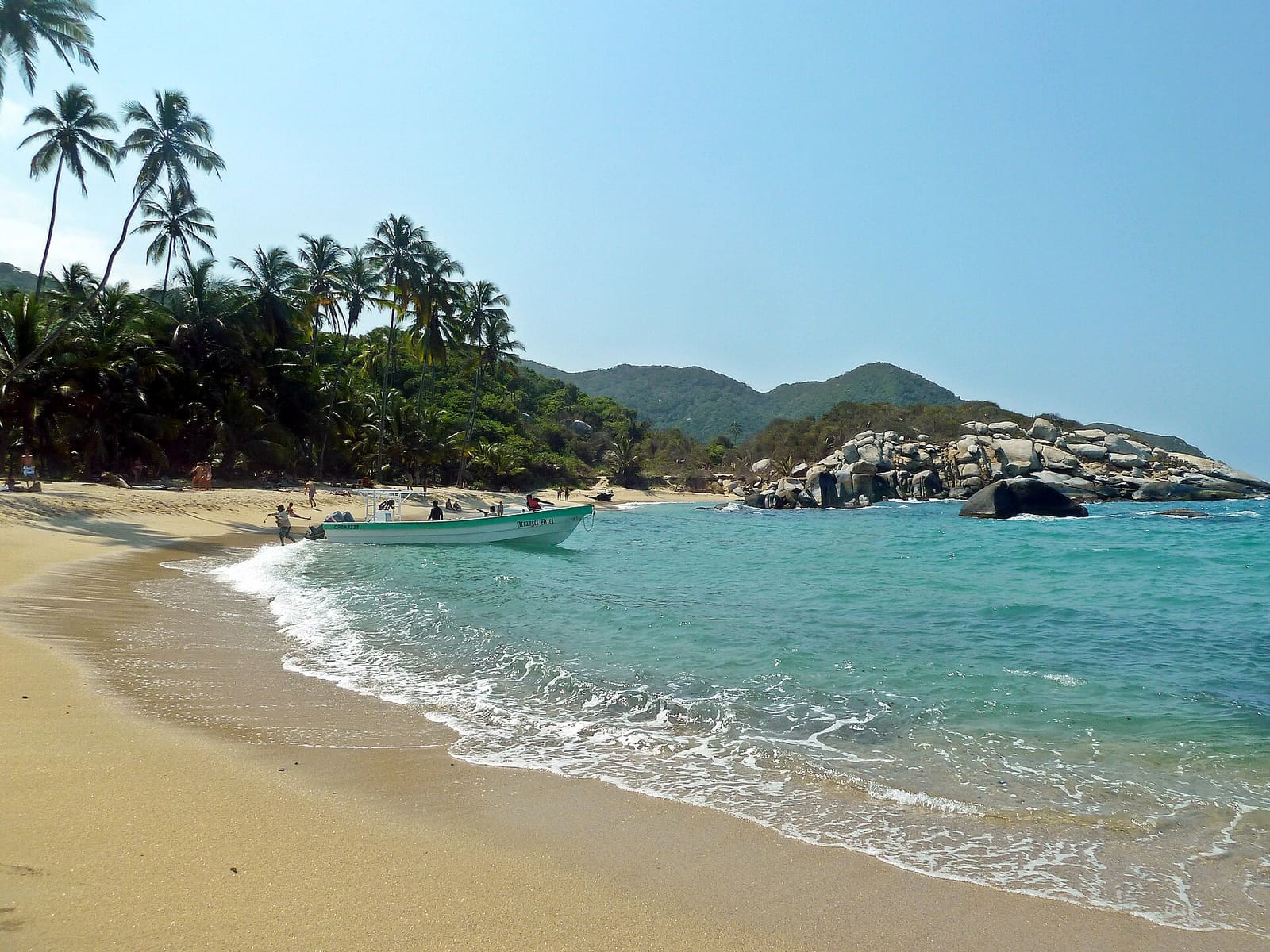
Tayrona National Natural Park, on Colombia’s Caribbean coast, has reopened after a 15-day closure, from 19 October to 2 November. And nature made the most of the rest: park teams have documented some of the Americas’ most elusive big cats.
A closure agreed with Indigenous peoples
The closure is called Nabbatashi and is agreed with the Arhuaco, Kogui, Wiwa and Kankuamo peoples of the Sierra Nevada de Santa Marta. According to Infobae, it’s an environmental rest period that protects biodiversity and allows these communities to carry out cultural and spiritual practices. The park is run by National Natural Parks of Colombia together with them.
It’s not the only one: Tayrona closes three times a year:
- Kugkui shikasa: 1-15 February.
- Saka Juso: 1-15 June.
- Nabbatashi: October-November, as this year.
What wildlife was recorded
Using camera traps and fieldwork, the technical team documented:
- Jaguar (Panthera onca), the largest cat in the Americas.
- Puma (Puma concolor).
- Ocelot (Leopardus pardalis) and margay (Leopardus wiedii), two smaller cats.
- Blue-billed curassow (Crax alberti), a bird endemic to Colombia and endangered.
- Also collared peccaries, white-tailed deer and giant anteaters.
The report gives no counts, but seeing such elusive cats is a good sign the forest is healthy.
If you plan to visit
- You must register and attend an induction briefing before entering.
- Accident insurance is mandatory.
- There’s a daily cap and opening times vary by area and season.
- The main entrance is El Zaino, 32 km from Santa Marta. You can also arrive by sea.
- Banned: pets, speakers, single-use plastics, unauthorised drones and feeding animals. Always stay on marked trails.
Prices change with the season and type of visitor, so check them on the official website before travelling.
Why it works
Giving natural areas a rest reduces noise, litter and stress on animals. Tayrona is an example of how to combine tourism, conservation and respect for the peoples who live there. For another piece of good news for wildlife, read about the new mountain gorilla birth in Virunga.
Sources and references
- Infobae – Tayrona Park reopened after a 15-day closure agreed with Indigenous peoples, in Spanish (03/11/2026)
- National Natural Parks of Colombia
This is original editorial content based on the sources cited. Spotted a mistake? Let us know and we will fix it under our corrections policy.