It looked like a salamander, had claws and lived just before the asteroid struck: the new fossil amphibian from Huesca
It was under 5 centimetres long, shot out its tongue like a chameleon and had eyelids and claws. It belongs to a group of amphibians that no longer exists.
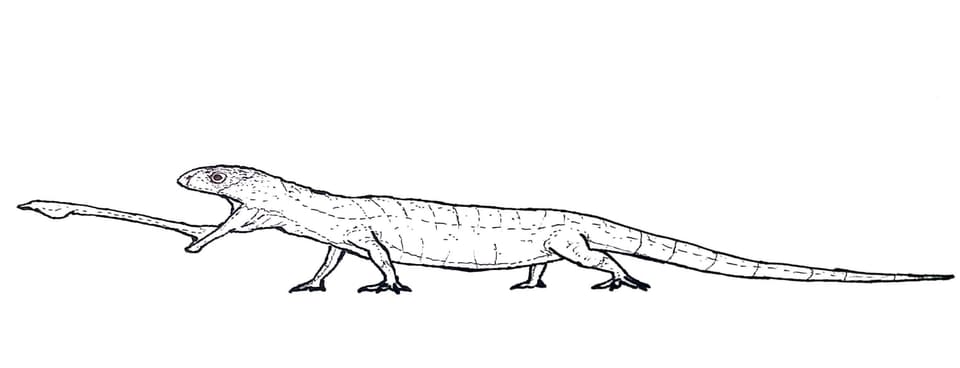
In Areny (Huesca, Spain), in the Ribagorza area, a very small salamander-like animal lived about 66 million years ago. Now it has a name: Synorerpeton ribagorzana. It is described in a study in the journal Cretaceous Research, which the Portuguese university NOVA FCT announced on 6 November.
Just before the asteroid
The fossils come from layers just below the boundary between the Cretaceous and the Paleogene. That boundary marks the mass extinction caused by an asteroid impact, the one that wiped out the dinosaurs.
The name is a double pun. Synorerpeton comes from Greek and means roughly “the one that crawls on the border”. It refers to that geological boundary and also to the border between Aragon and Catalonia. Ribagorzana honours the area and the Noguera Ribagorzana river.
An odd amphibian
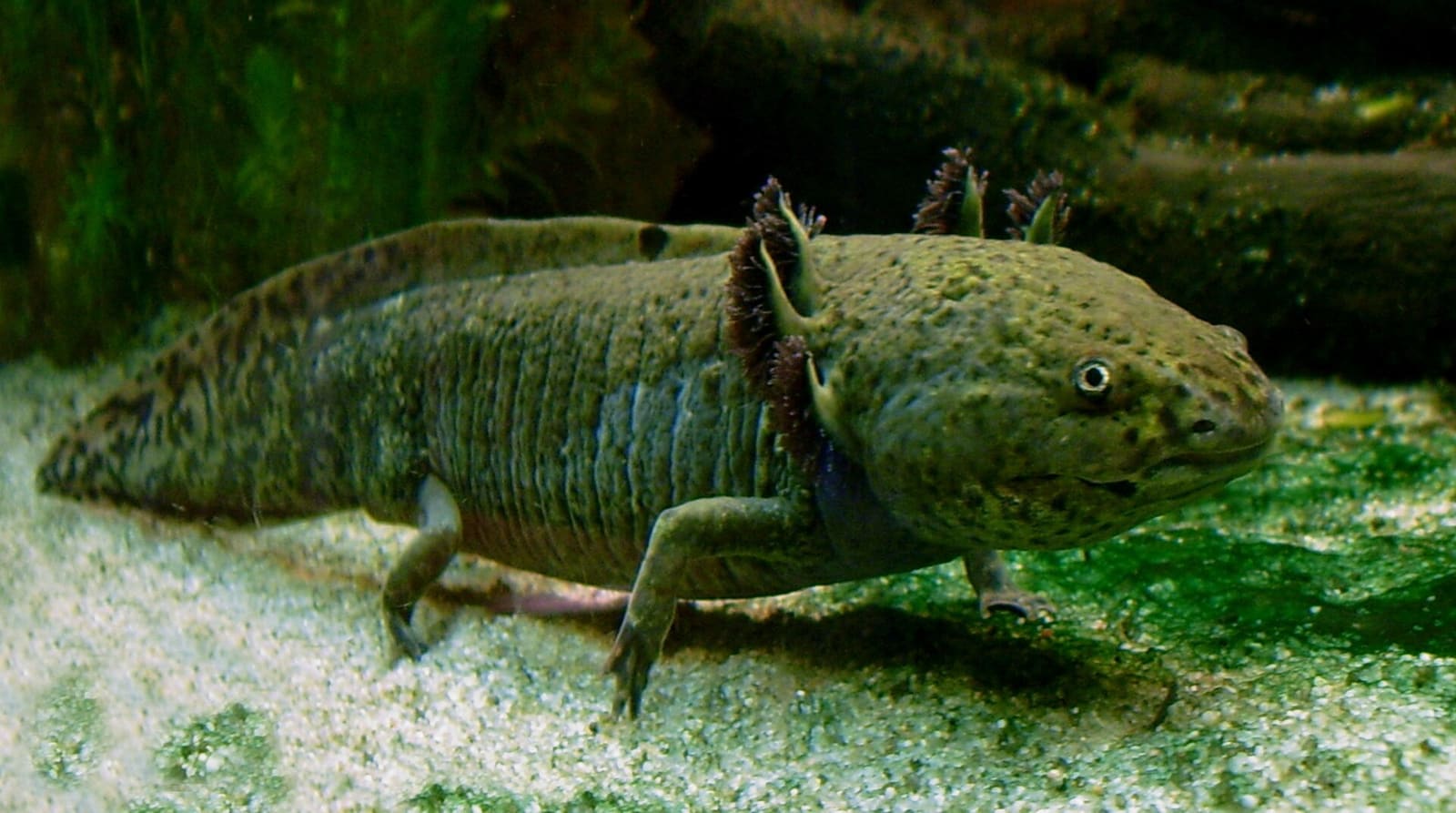
It belongs to the albanerpetontids, an extinct group of amphibians. They looked like salamanders, but they had:
- a length of under 5 centimetres;
- a fast tongue they shot out like chameleons;
- dry, scaly skin, claws and eyelids.
They are hard to study because their bones are tiny and fragile.
Fossils stored since 1997
The remains were collected during a 1997 field campaign. There are more than 80 bones: loose skull pieces, vertebrae and other parts of the skeleton. The work is led by Alexandre Guillaume (GEOBIOTEC, NOVA FCT, Lisbon), co-directed by Eduardo Puértolas-Pascual (IGME-CSIC), with scientists from Portuguese and Spanish institutions.
The study also suggests these amphibians became more robust shortly before the extinction. Europe may have had two lineages: a western one with relatives in North America and an eastern one with Asian or older European links.
More science from the Pyrenees: the inventory of the range’s 6,361 lakes.
Sources and references
- Xataka Ciencia – New 66-million-year-old amphibian species from the Iberian Peninsula (10/11/2026)
- elEconomista – New amphibian species found in Huesca (11/2026)
This is original editorial content based on the sources cited. Spotted a mistake? Let us know and we will fix it under our corrections policy.