Another leopard caught in a snare in Sri Lanka: snares cause more than half of their deaths
Snares are set to catch wild boar and deer, but they trap leopards. Vets are calling for a rescue unit in the hill country.
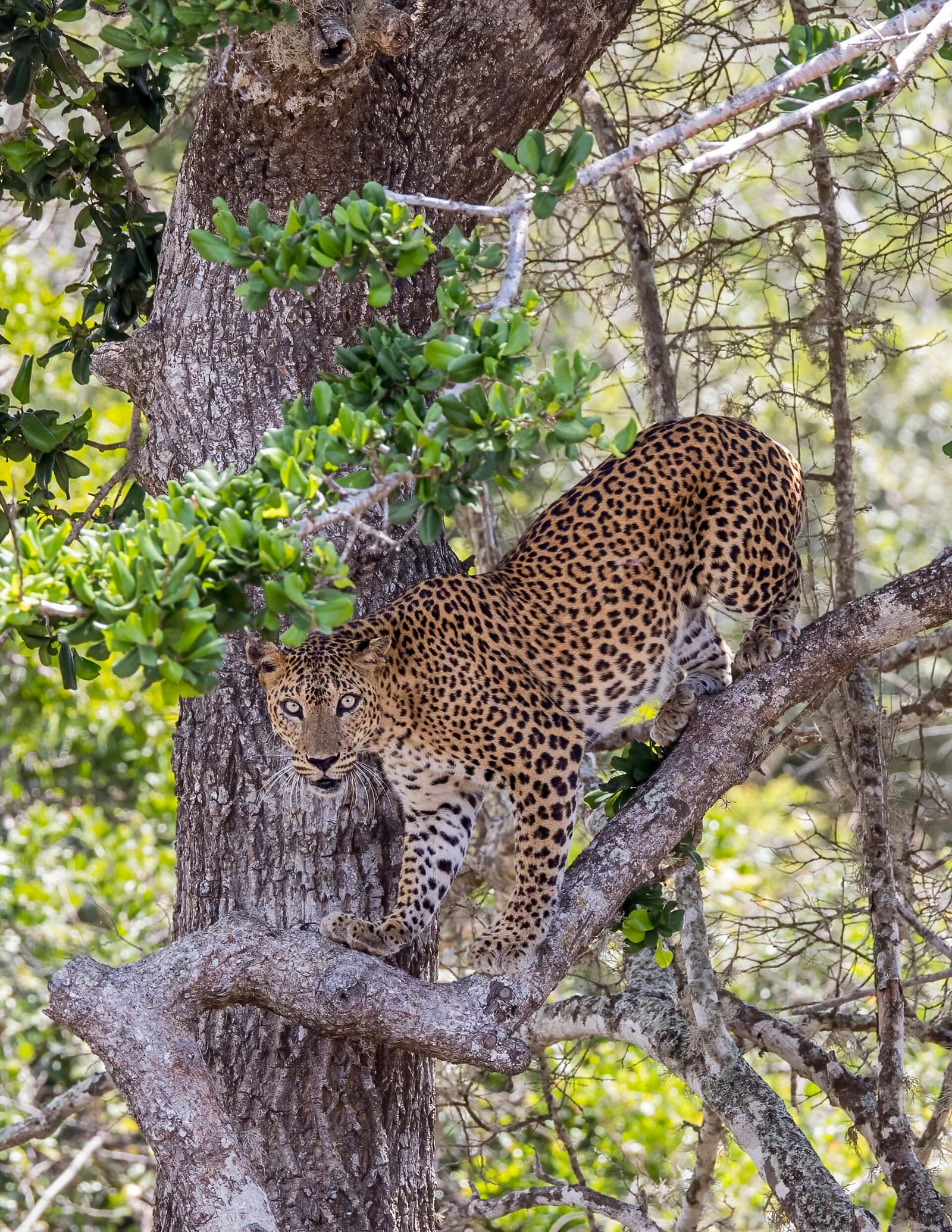
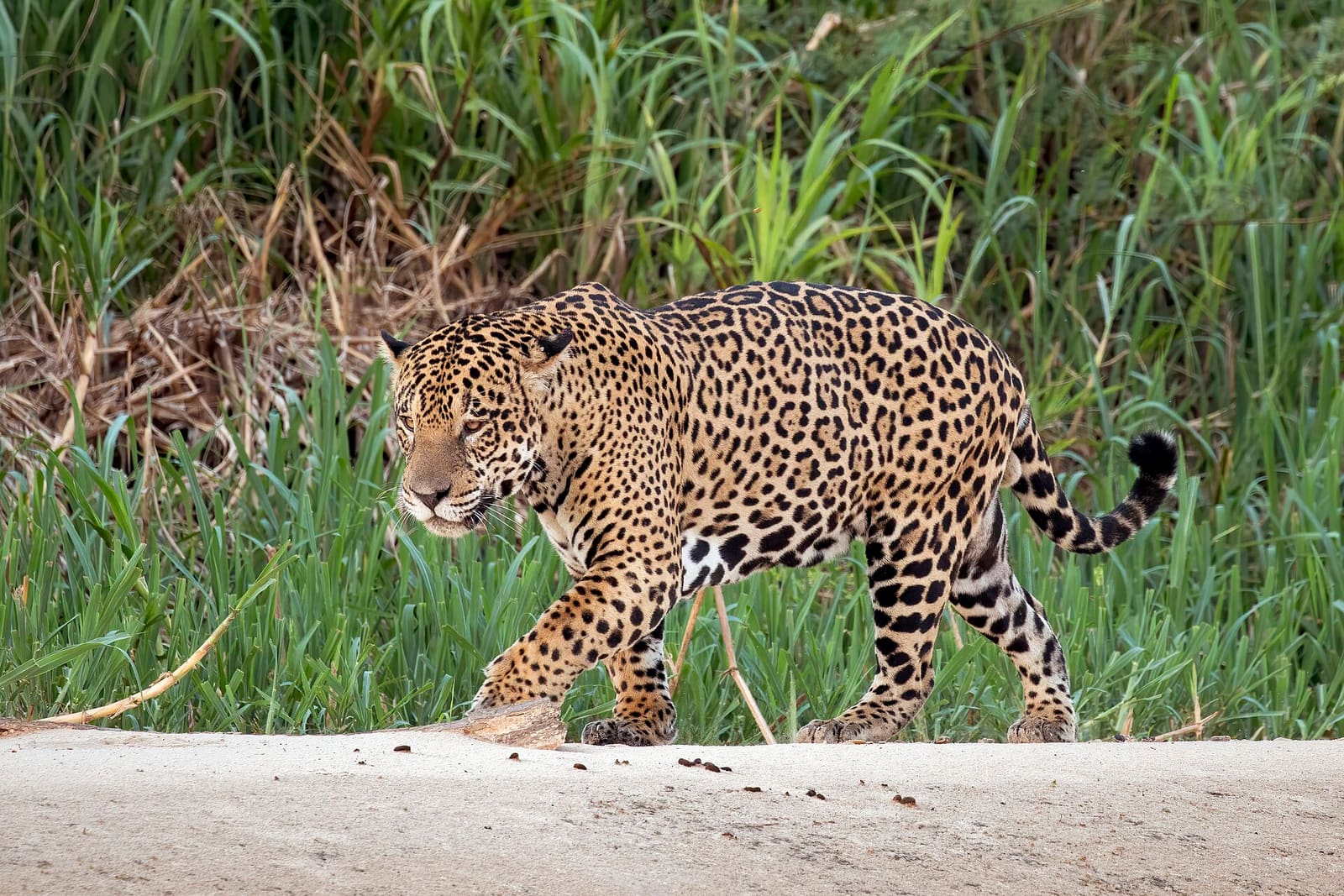
Another leopard has been caught in a wire snare in Sri Lanka. She is a young female, about 3.5 years old, found on a tea estate in Norwood, in the country’s central highlands. She was rescued on 12 November.
Saved, for now
The snare had squeezed her flank tightly, but she had no serious external wounds. Wildlife officers and a vet anaesthetised her and are keeping her under observation for a few days before release. She is already eating and passing urine normally, “encouraging signs”, according to the vet.
It was a floating snare: the wire is tied to a heavy pole that the animal drags until it snags on vegetation. That makes it harder to trace who set it.
The leading cause of death
Snares are set to catch wild boar and sambar deer for meat, but they trap leopards. A study of records from 2008 to 2024 counted 164 human-caused leopard deaths. Of the cases with a known cause, 62.3% were due to snares. Almost half happened on plantations.
In 2025 alone, vet Akalanka Pinidiya treated 30 snared leopards and was able to release 22.
What experts are calling for
- A rapid-response veterinary unit in the hill country: the nearest is more than 100 km away.
- More patrols and snare removal, outside elephant areas too.
- Involving communities and plantations.
“We cannot discriminate and try to protect only the elephants,” says activist Rajika Gamage.
Another threatened leopard in Asia: Aren, the Persian leopard that crossed the Caucasus on three legs.
Sources and references
This is original editorial content based on the sources cited. Spotted a mistake? Let us know and we will fix it under our corrections policy.