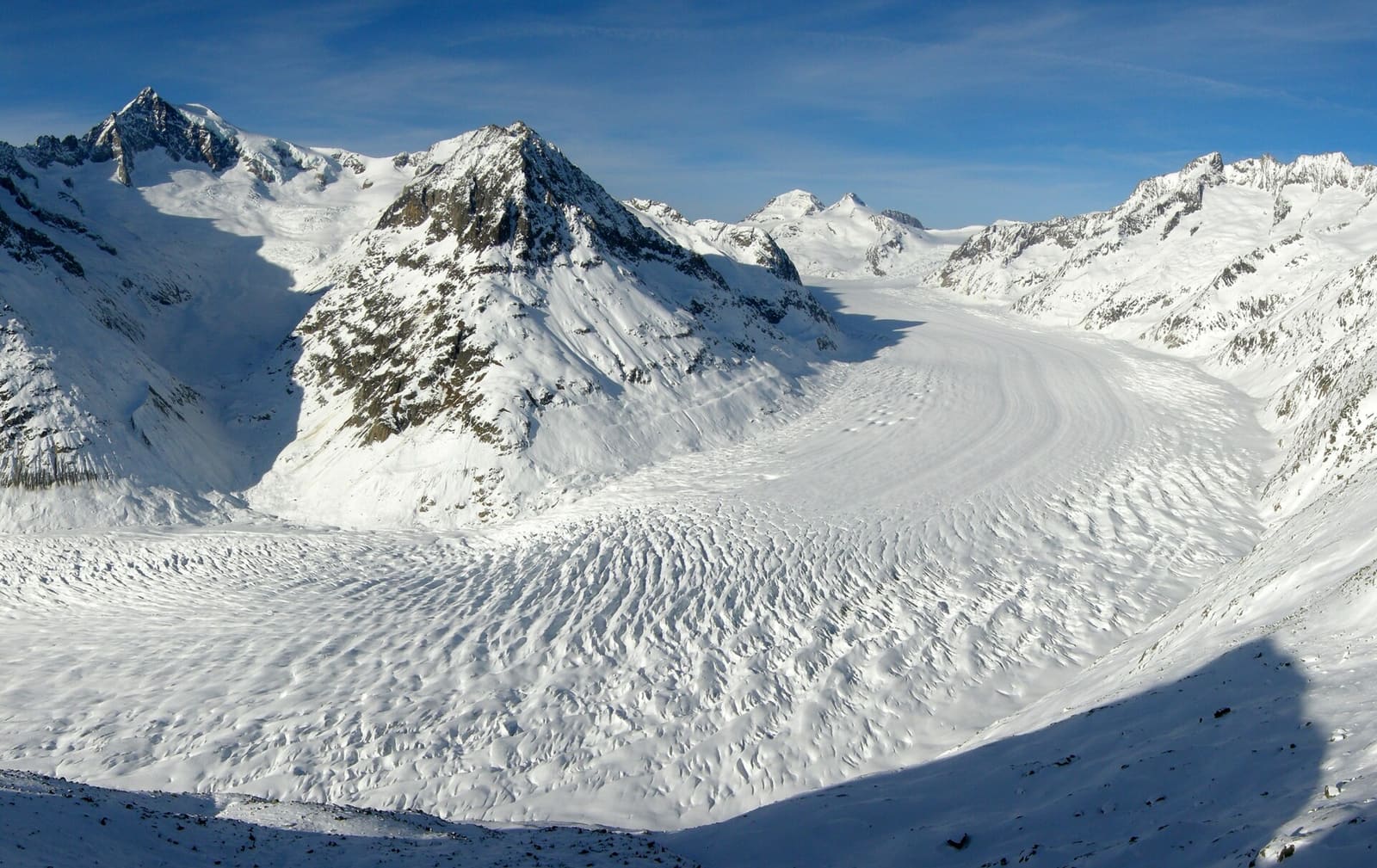
The Matterhorn joins the world geological heritage list: a mountain made from a piece of Africa
Glaciers carved the pyramid, but the most curious part is in its rocks: the upper mountain comes from the ancient African plate.
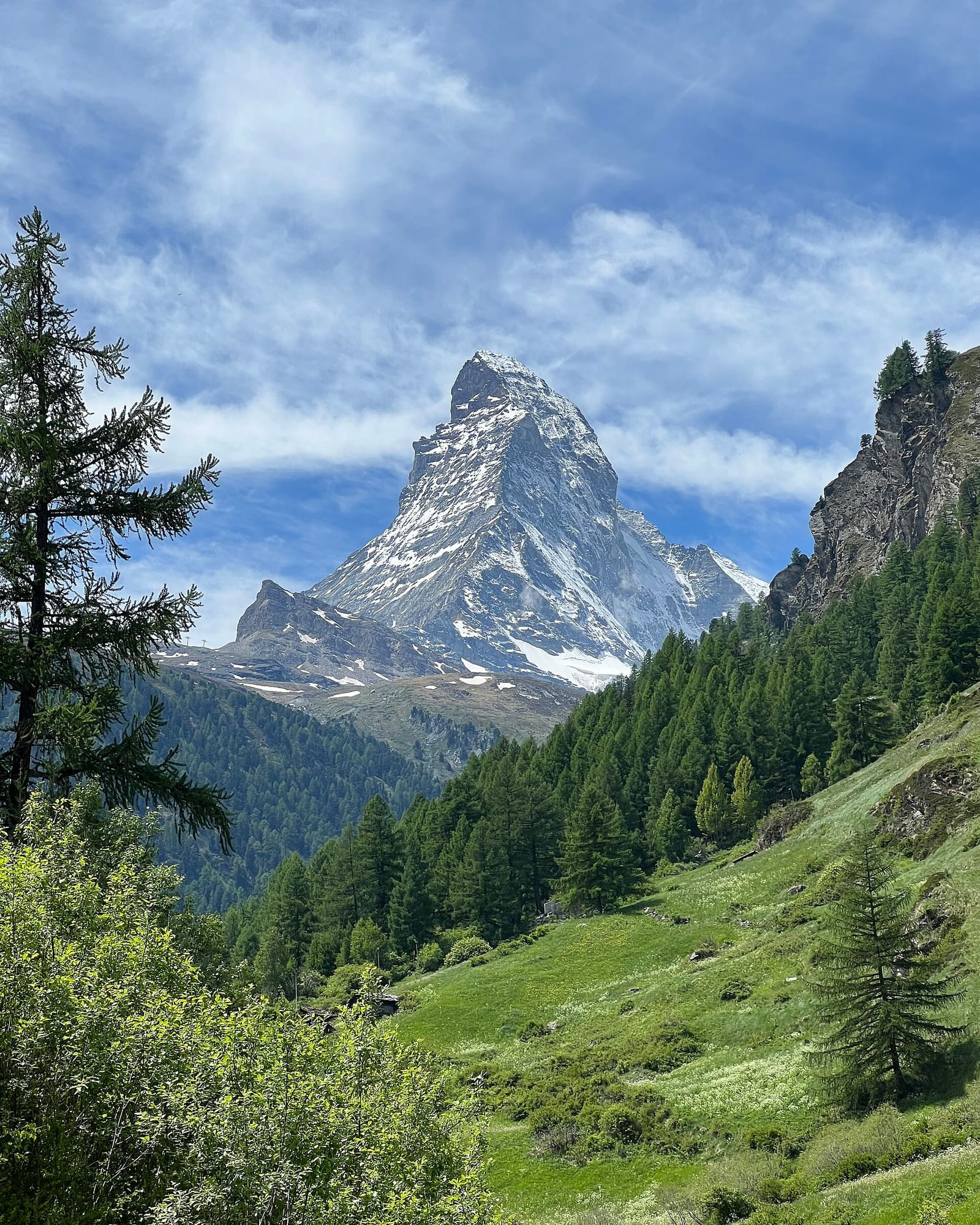
The Matterhorn, the 4,478-metre mountain between Switzerland and Italy, is now on the list of geological sites of global importance. The International Union of Geological Sciences (IUGS) announced it on Friday 6 November.
A list of 300 places
The IUGS started this list in 2022 and it now has 300 sites across the planet. Switzerland already had two: the Engadine rock glaciers (2022) and the Glarus main thrust (2024).
What makes it special
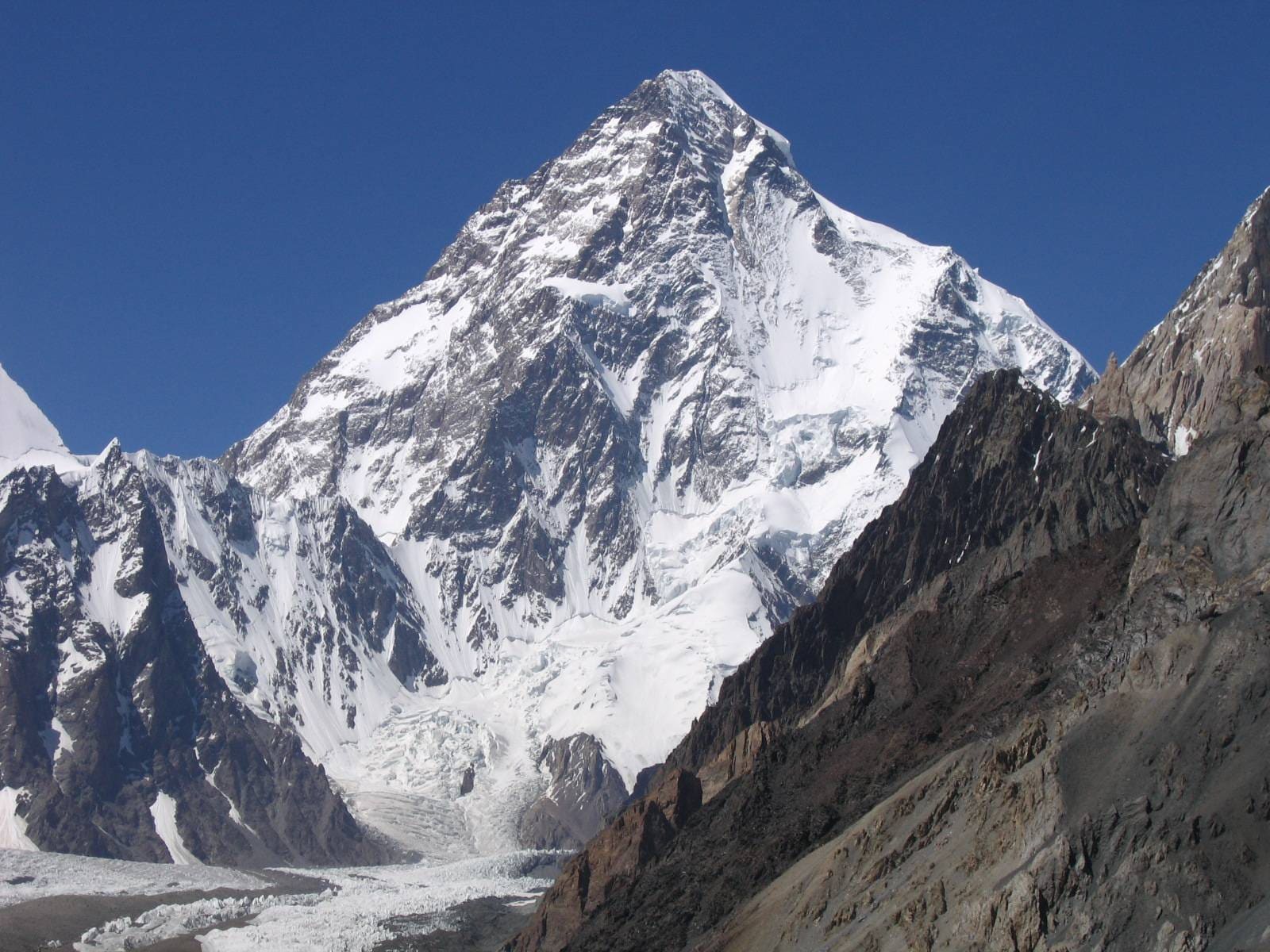
Its pyramid shape was carved by glaciers during the last great ice ages. Remnants of glaciers are still visible on all four faces.
But the most striking part is inside. The upper Matterhorn belongs to the Dent Blanche massif, which was part of the ancient African continent. It sits on top of the remains of the Piedmont Ocean, a sea that no longer exists. On the east and north faces you can see the different layers in the colour of the rock and the way it erodes.
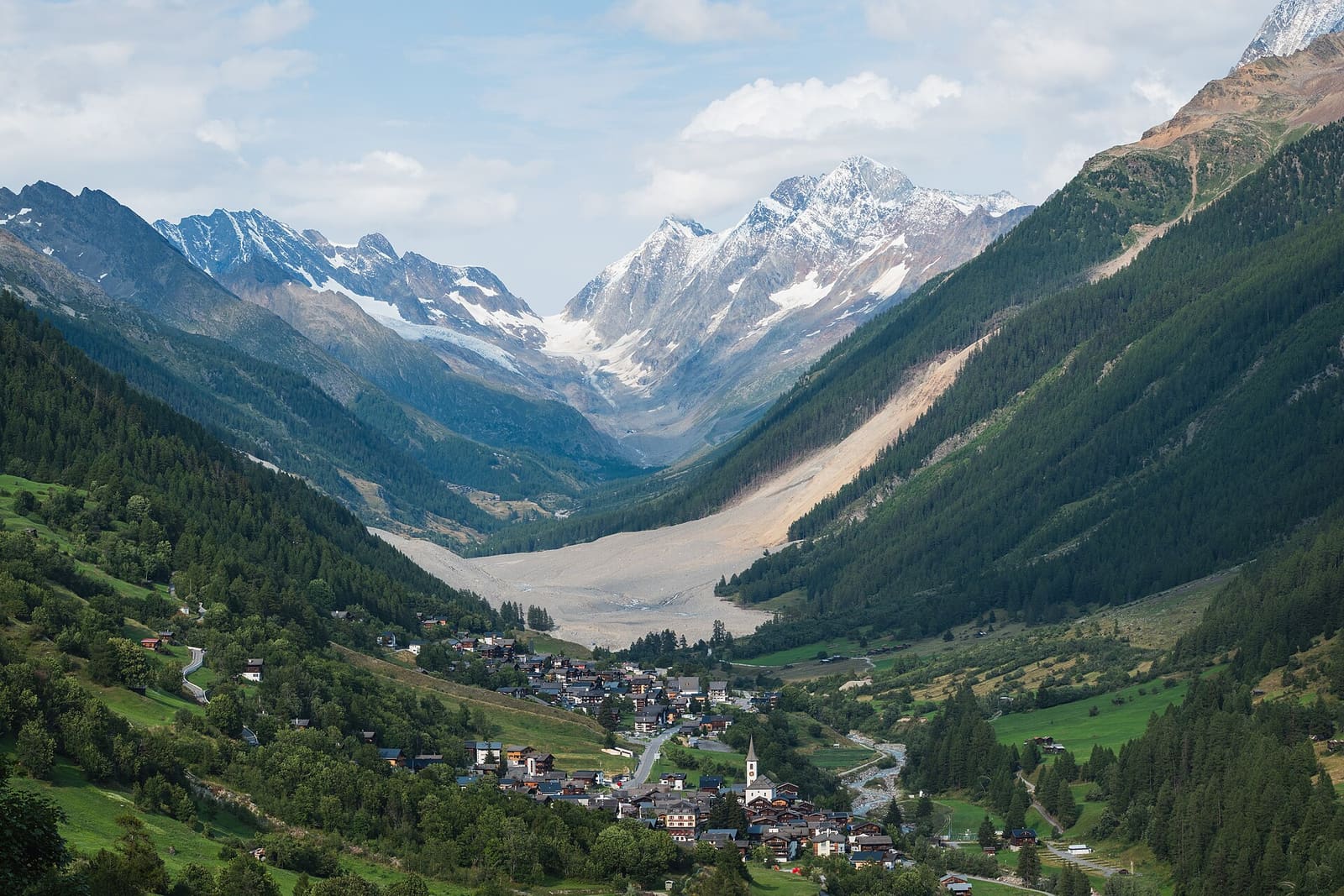
Nearby, in the Zermatt valley, a slice of the old European margin comes to the surface. Pieces of crust that were hundreds of kilometres apart have ended up stacked on top of each other.
“The ideal mountain”
Geologist and mountain guide Jürg Meyer, of the Swiss Geoheritage Commission, calls the Matterhorn the “ideal mountain”, and geologically “unique and fascinating” too.
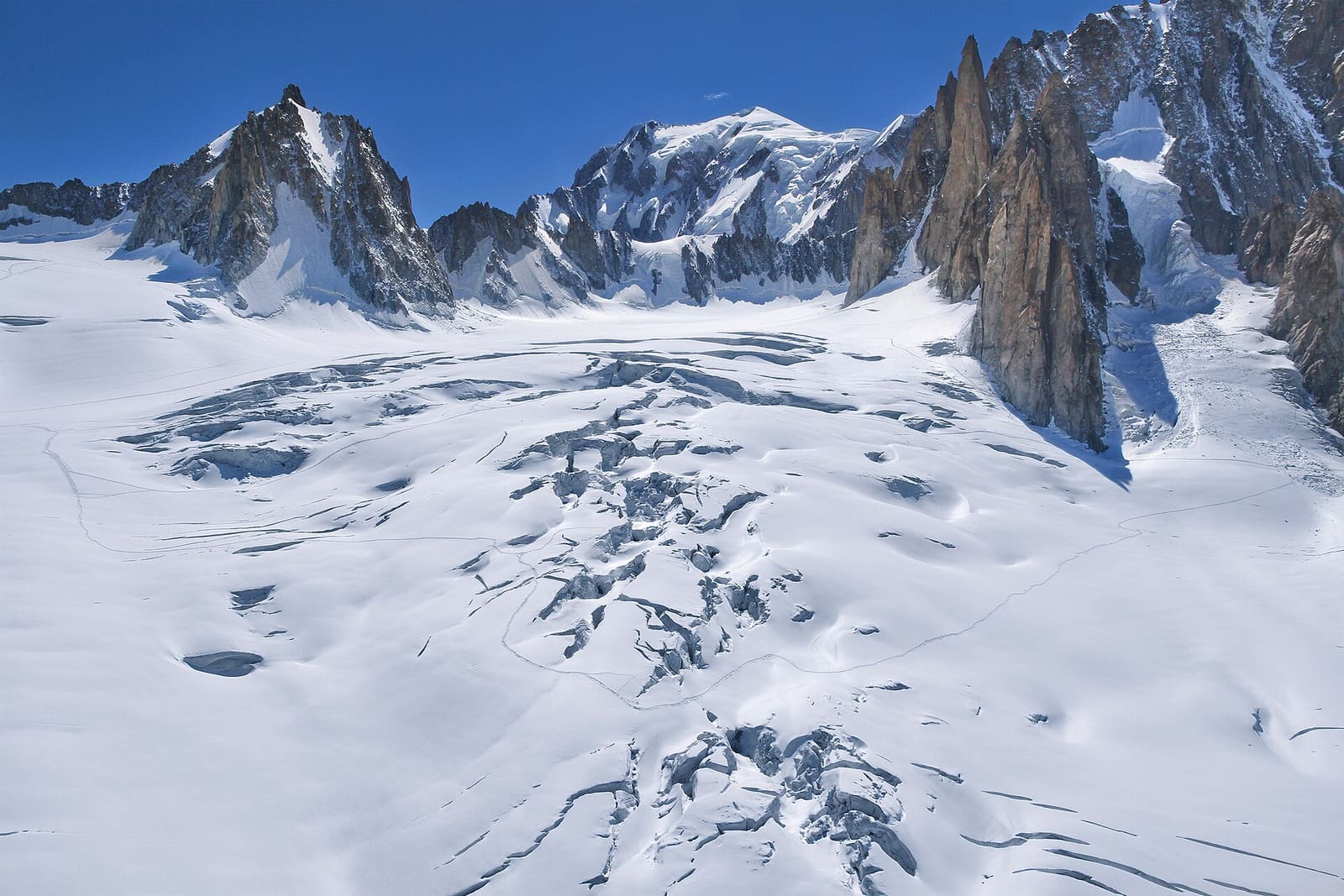
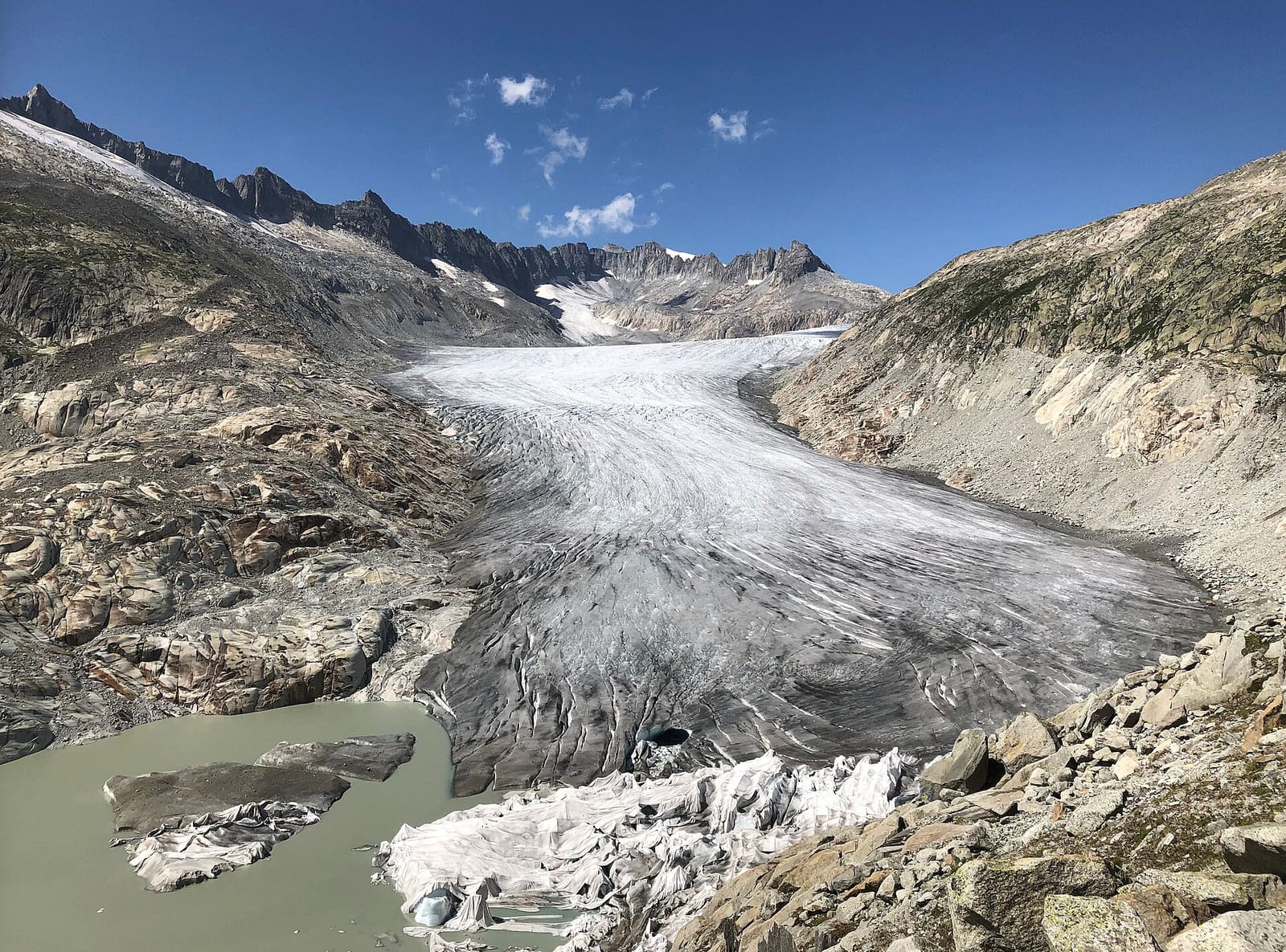
The Matterhorn is also in the news because of its ice: melting has moved the Swiss-Italian border under its glaciers.
Sources and references
- blue News – Matterhorn added to global list of geological heritage sites (06/11/2026)
- Le Temps – The Matterhorn joins the global ranking of geological heritage (11/2026)
This is original editorial content based on the sources cited. Spotted a mistake? Let us know and we will fix it under our corrections policy.