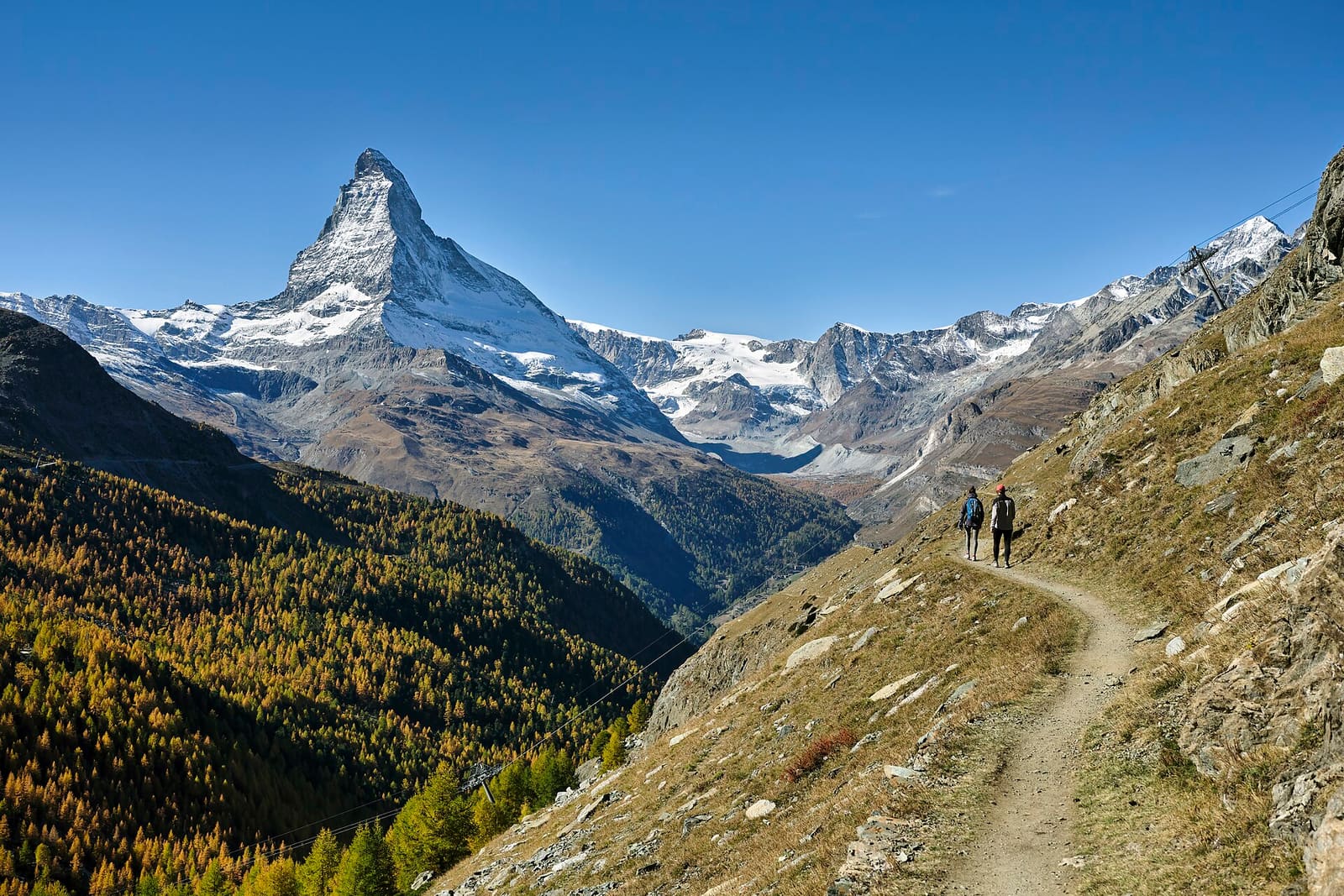
Two teenagers rescued after almost 20 hours lost on the Grossglockner in mid-November
They had prepared for the climb with videos and websites. A section that takes four or five hours took them almost twelve.
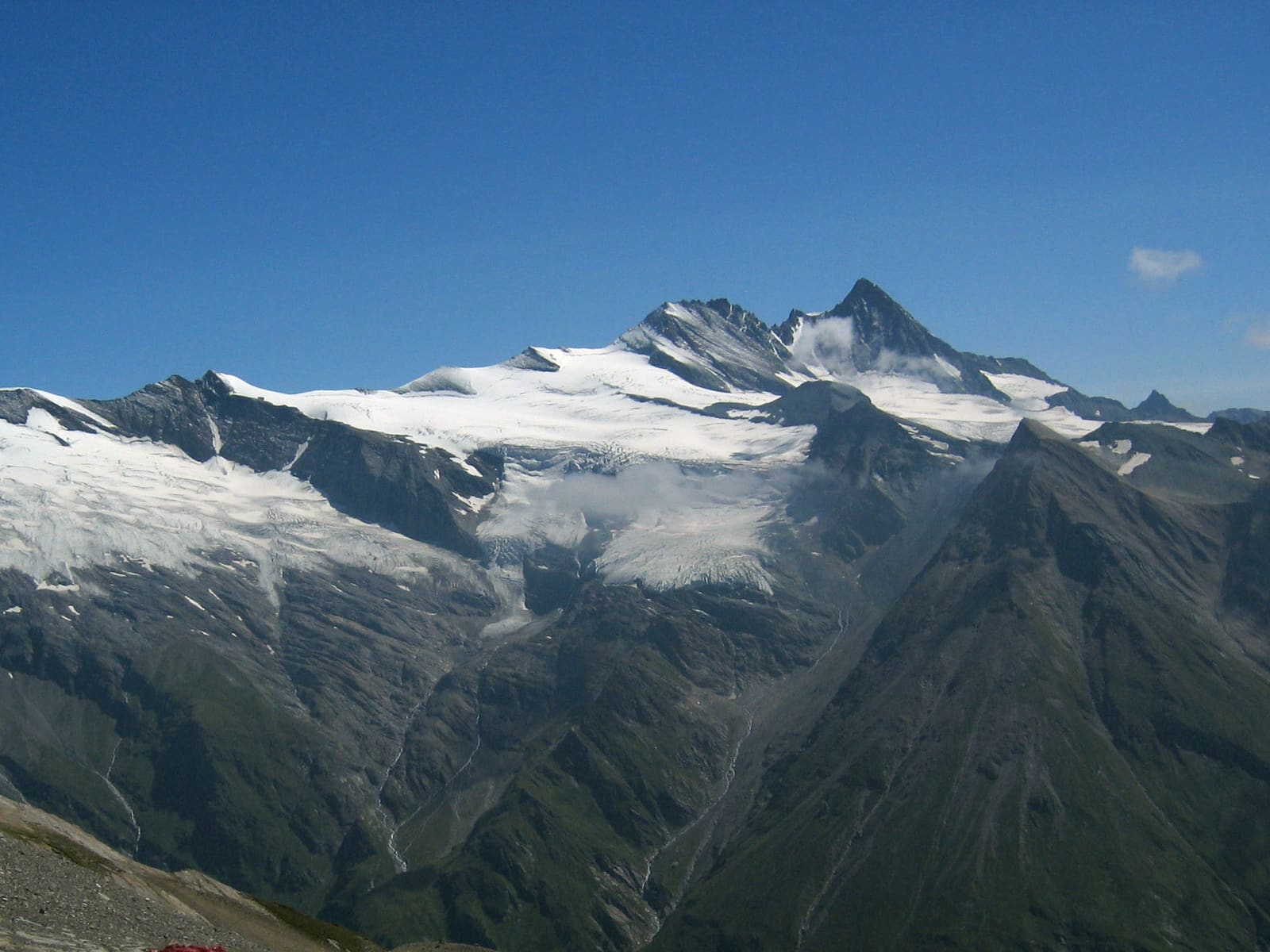
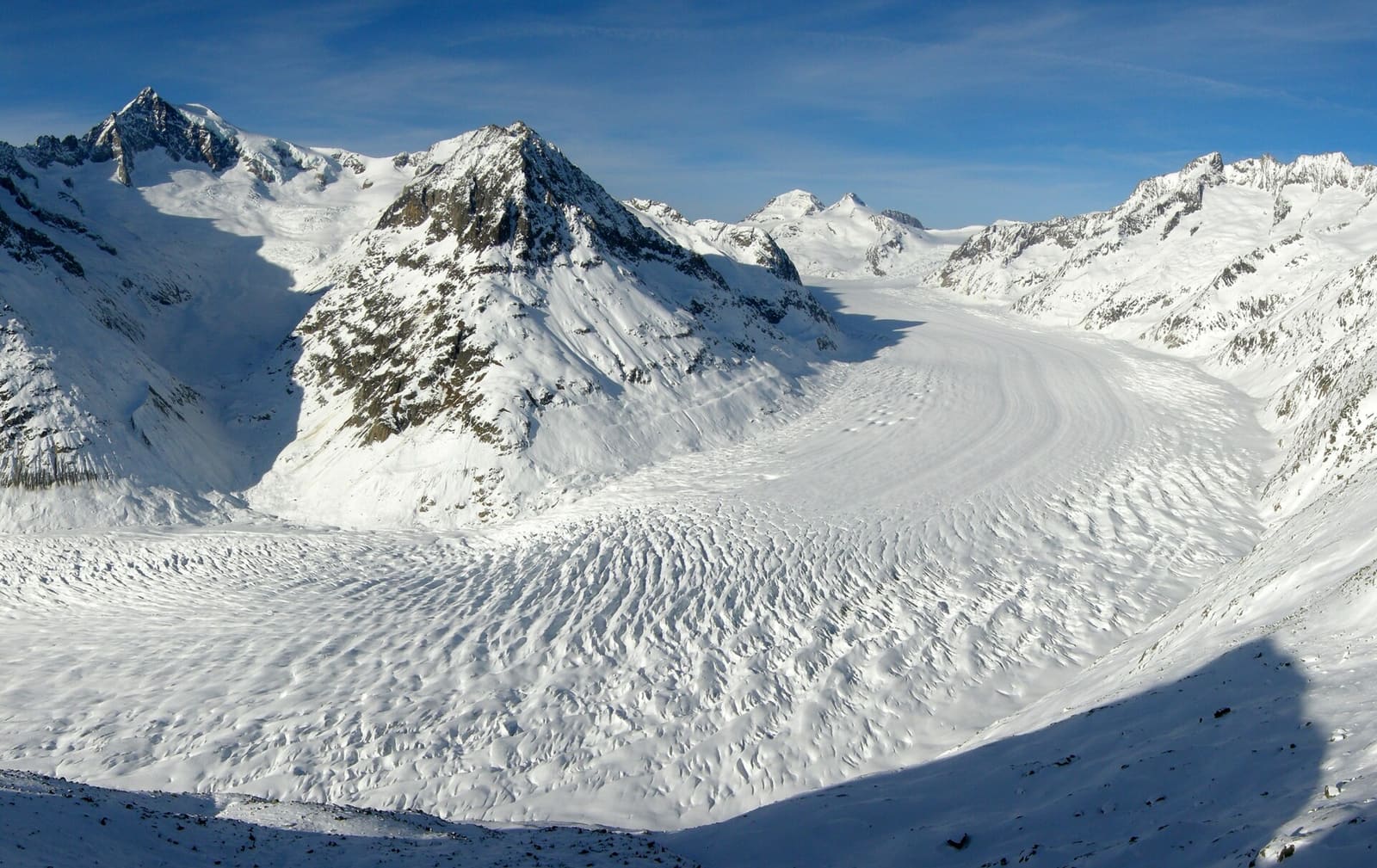
Two young Germans, aged 15 and 18, spent almost 20 hours lost on the Grossglockner (3,798 m), Austria’s highest mountain. They set off at night, in mid-November, with no experience of a mountain like it.
An 11pm start
They started climbing at around 11pm on Saturday 14 November. They carried crampons, an ice axe, a helmet, a rope and warm clothes, and had prepared by reading websites and watching videos. According to the Austrian press, other climbers advised them not to continue.
Police initially said they reached the summit and got lost on the way down. The younger one disputes that: he says they turned back near a hut at 3,454 metres because his companion felt unwell.
Lost in the snow
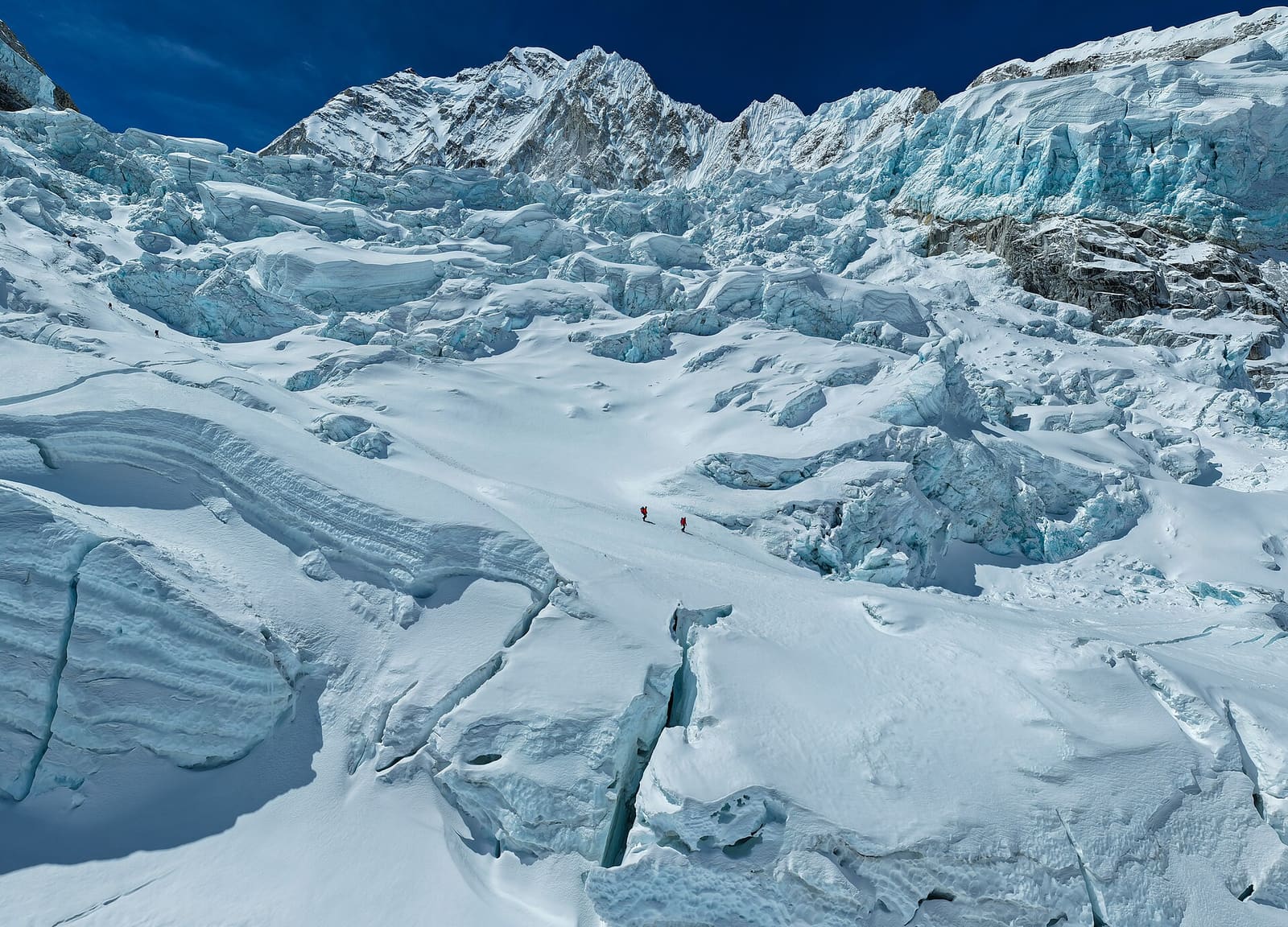
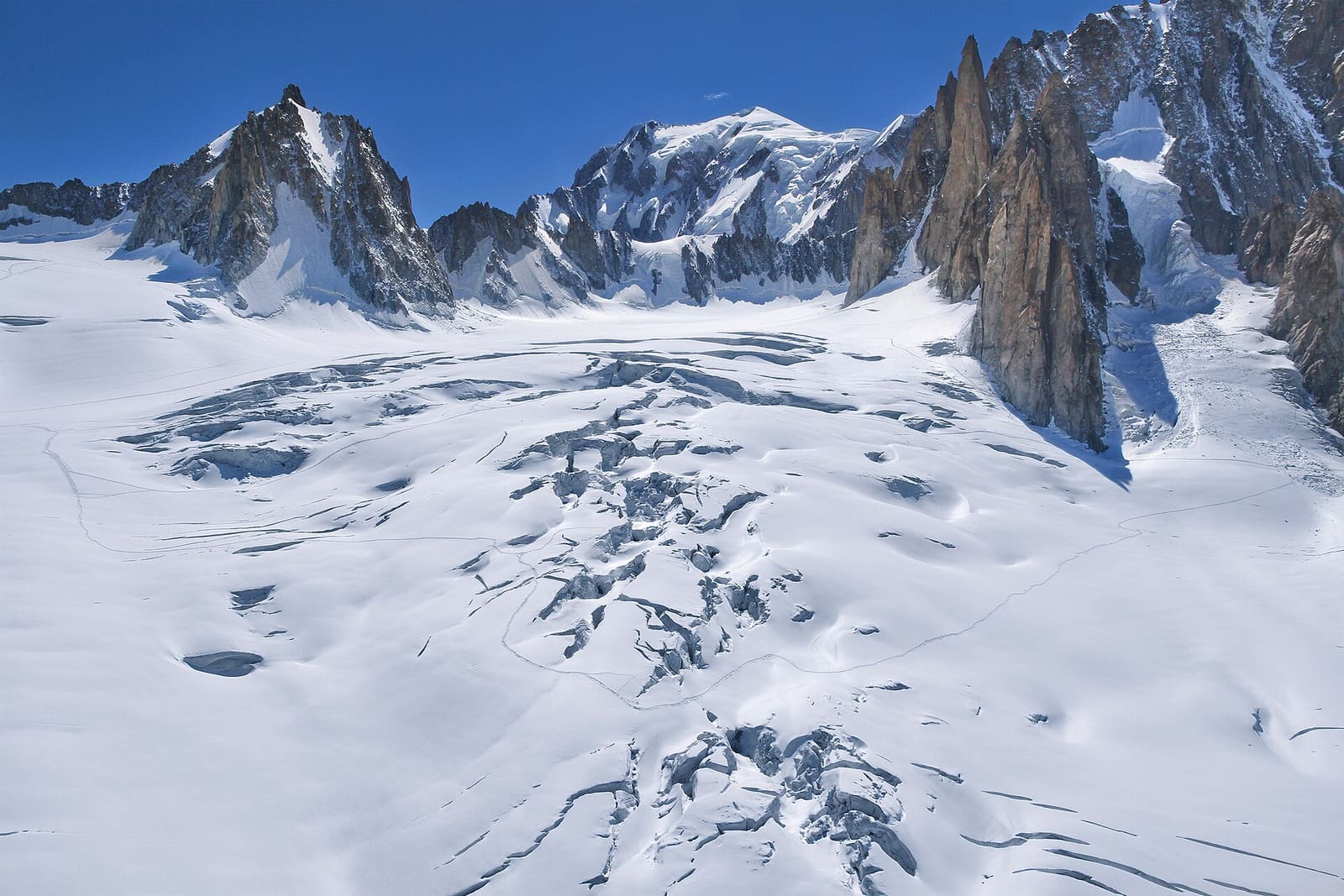
On the descent, one section looked too dangerous. They followed tracks in the snow that eventually disappeared and got stuck in deep snow. The older one called for help at around 6:30pm on Sunday. Rescuers tried to guide them by phone and, after more than two hours, sent a helicopter.
They were found at about 2,800 metres, exhausted, disoriented and hypothermic.
“No experience or preparation”
Peter Tembler, head of the Kals mountain rescue, criticised their lack of experience and the night-time start. A section that normally takes four or five hours took them almost twelve.
The Grossglockner sees 8,000 to 9,000 ascents a year and an average of two dozen rescues. Between 2005 and 2025, 29 climbers died there.
The lesson
In autumn and winter, a high mountain is a different place: fewer daylight hours, snow and cold. If you lack experience, go with someone who has it, start early and turn back in time. Before going high, also read up on what happens to your body above 3,000 metres.
Sources and references
This is original editorial content based on the sources cited. Spotted a mistake? Let us know and we will fix it under our corrections policy.