Climbing in the Huayhuash: tips from the Spanish Piolet d'Or team
No permits are needed for the peaks, the best season runs from July to mid-September, and ever more fragile snow is the big danger.
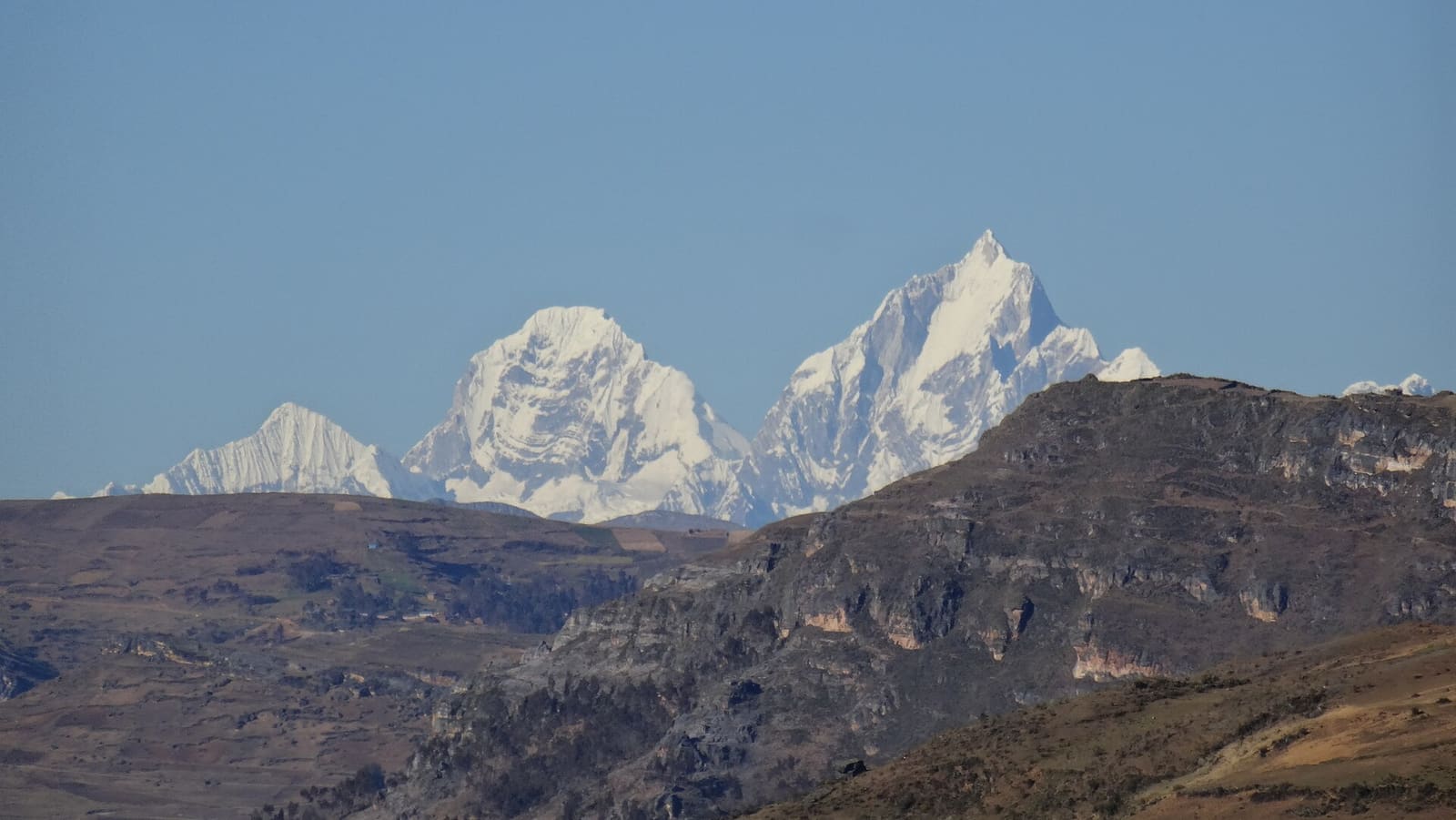
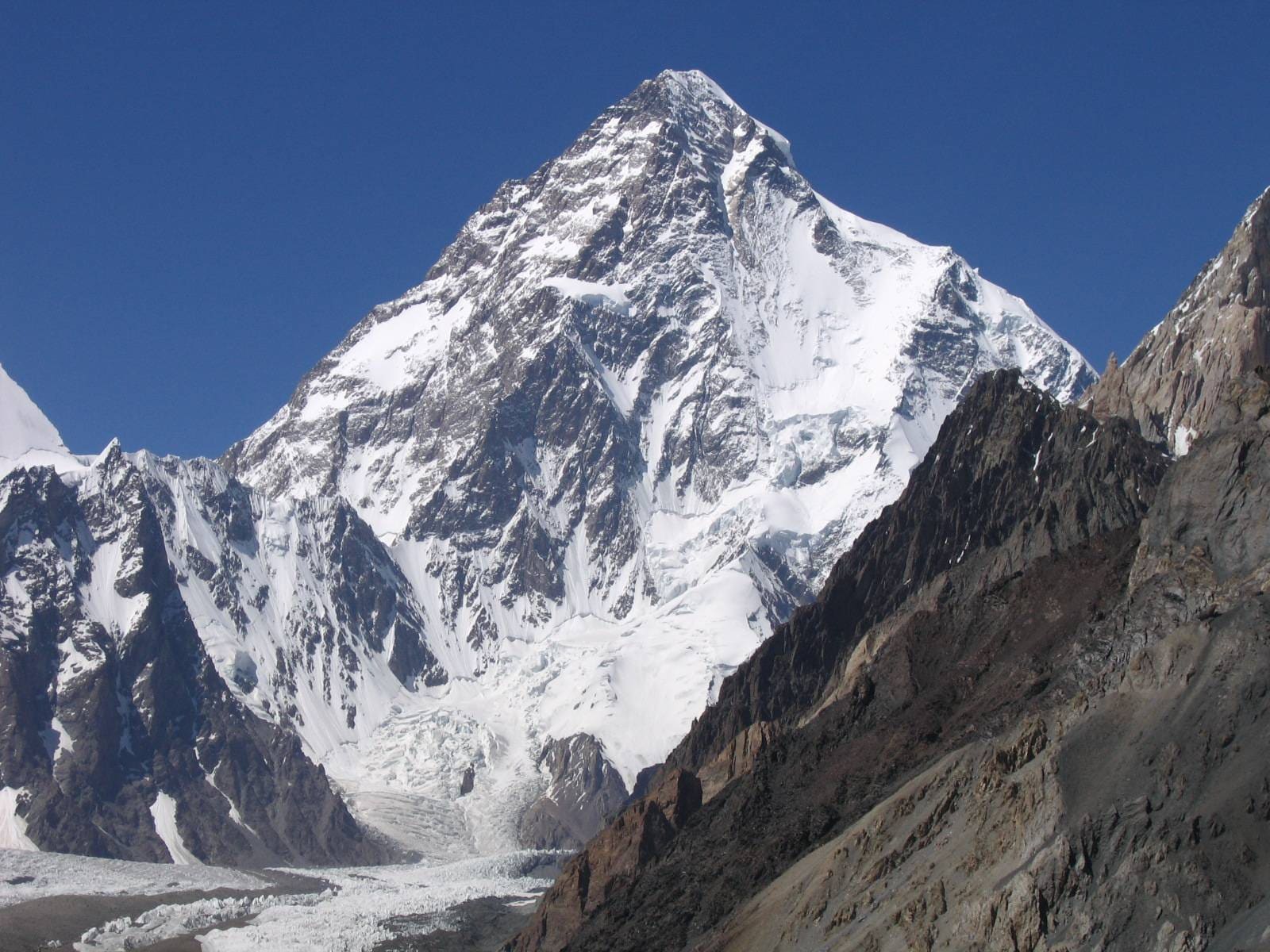
Marc Toralles, Rubén Sanmartín and Bru Busson won the Piolet d’Or for opening Essence of Commitment on Yerupajá (6,634 m), the highest peak in Peru’s Huayhuash range. Now they share what they’ve learned there with Explorersweb. Toralles has climbed in the Huayhuash four times; Busson and Sanmartín are Chamonix-based guides.
When to go
The best season is July, August and the first half of September. Good weather windows usually last five or six days. They didn’t hire a meteorologist: they used free forecasts relayed by friends via a satellite messenger.
Getting there and around
- Get to Huaraz by plane, bus or car. You can stop in Lima to start acclimatising.
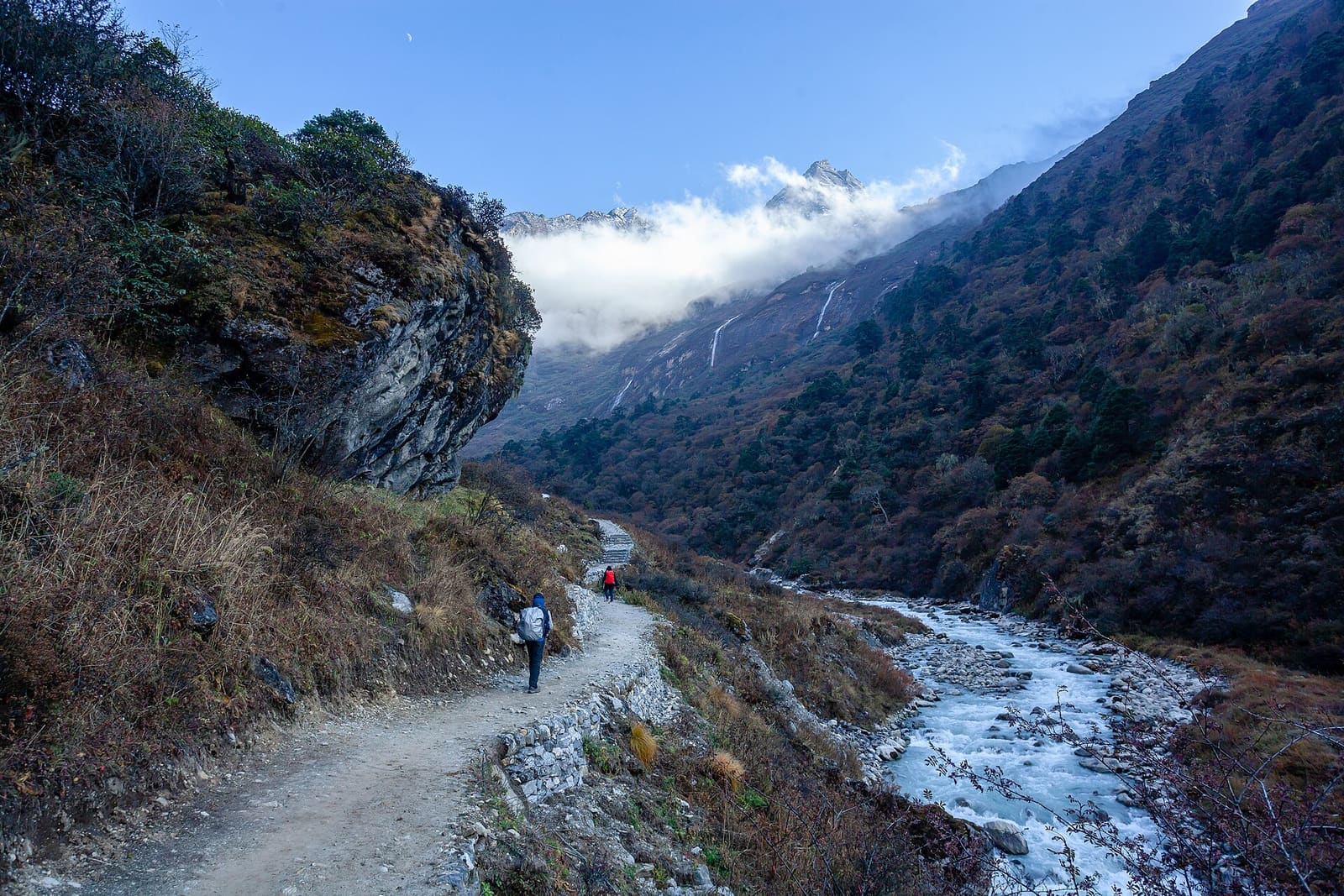
- There are no lifts or paved roads: a round trip to a peak can take three or four days.
- No permits are needed for the peaks, but there is a small fee to the communities for crossing their land.
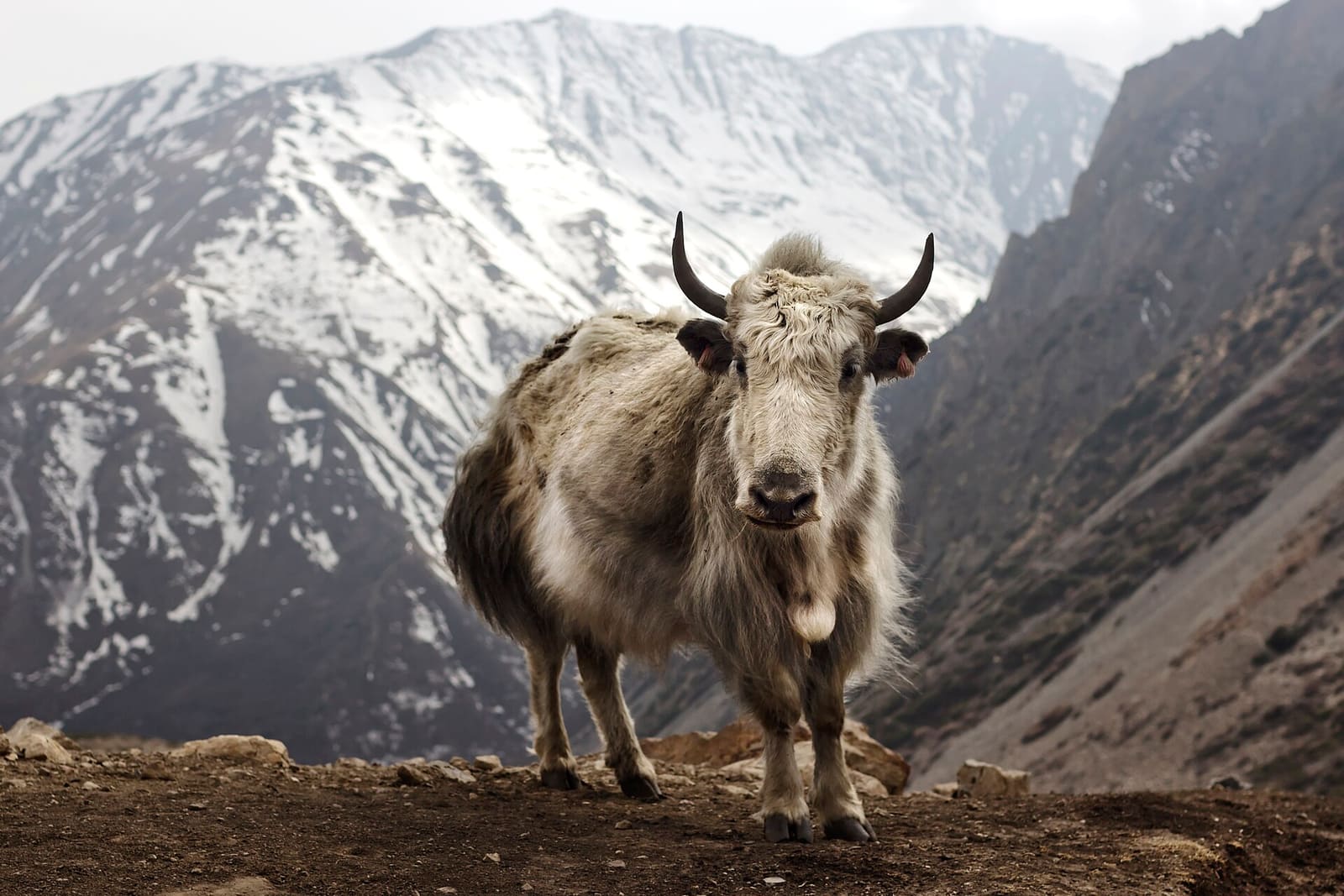
- You can hire arrieros with mules to carry gear to base camp or higher.
Snow, the big danger
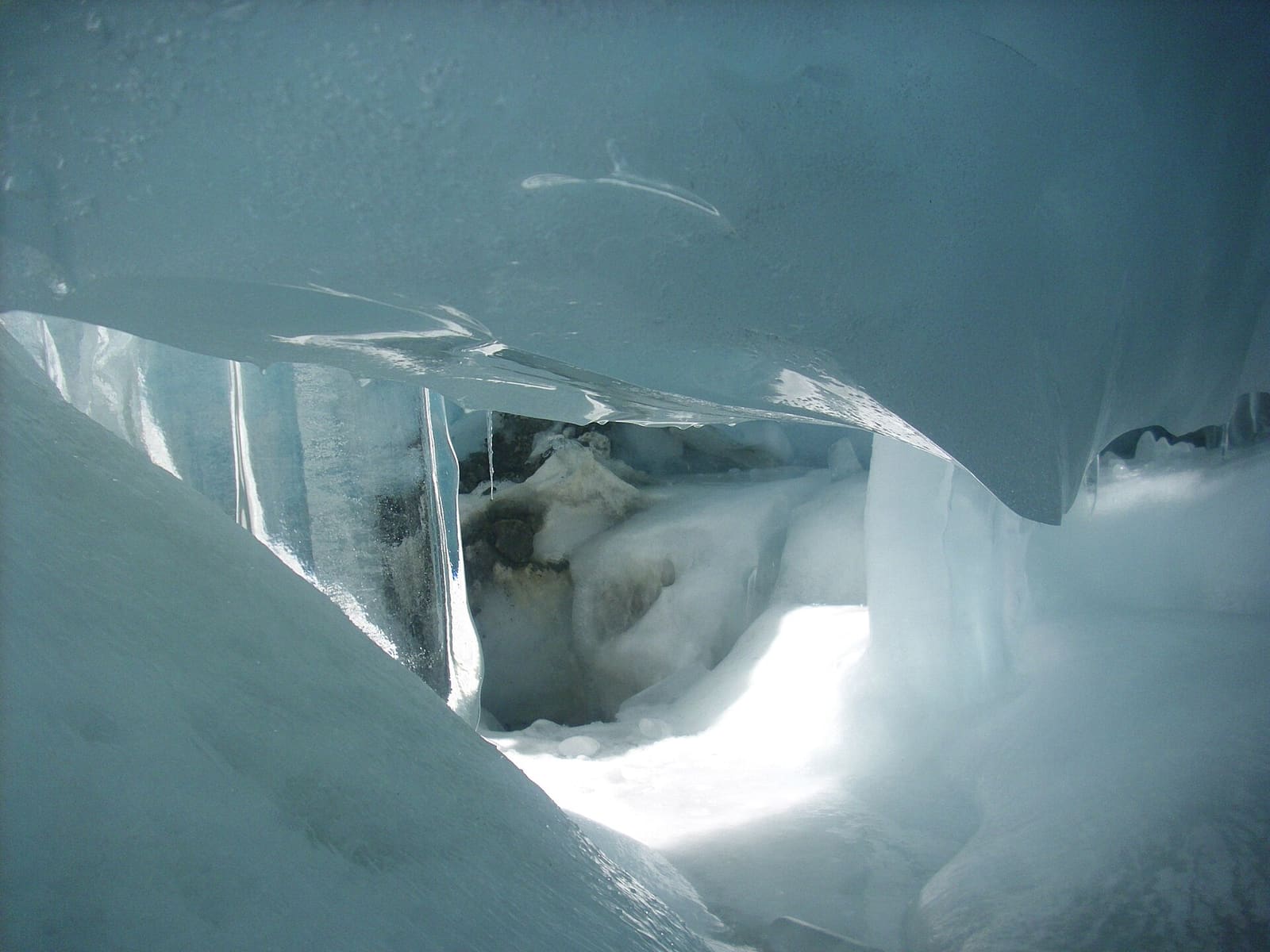
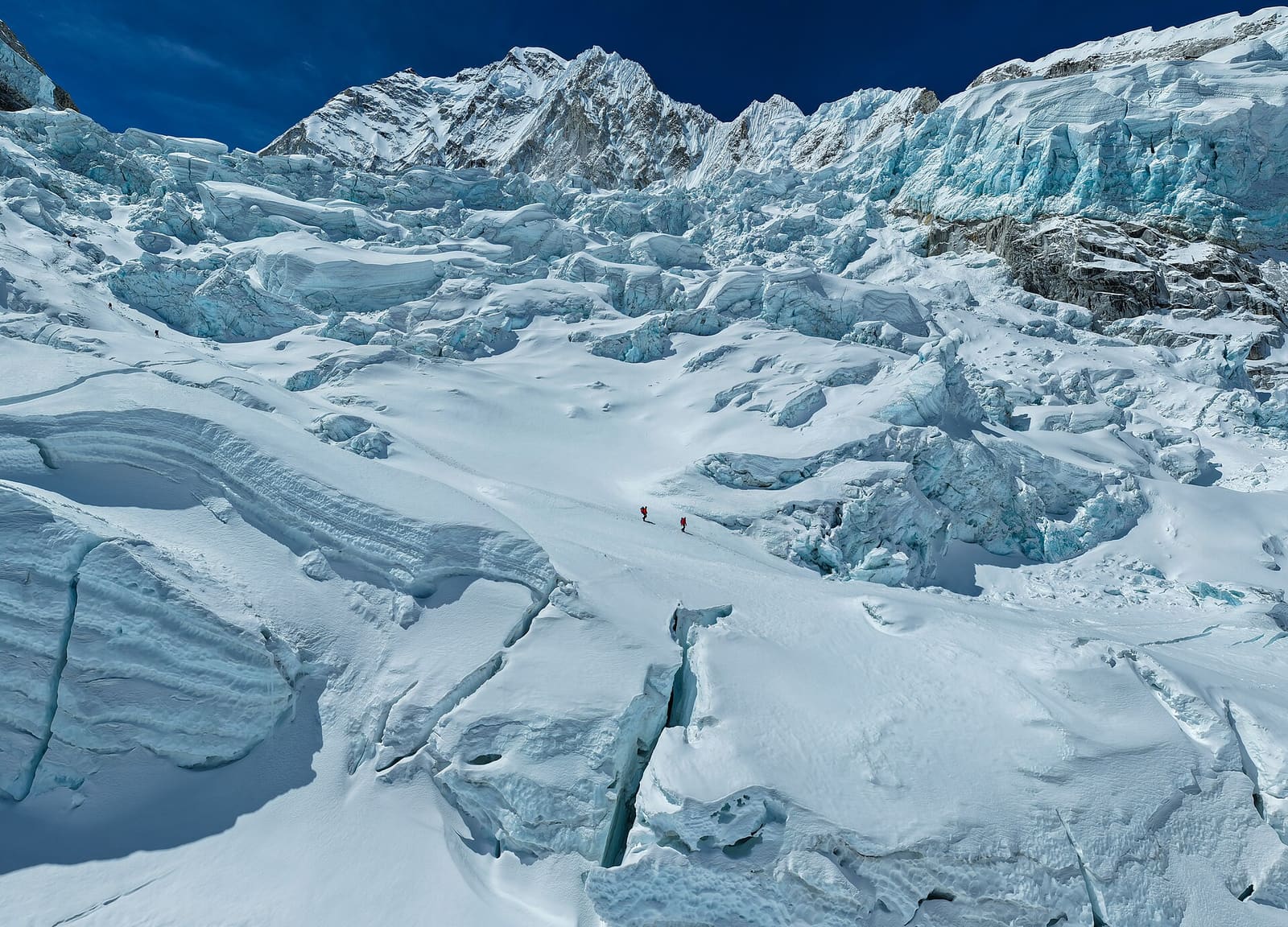
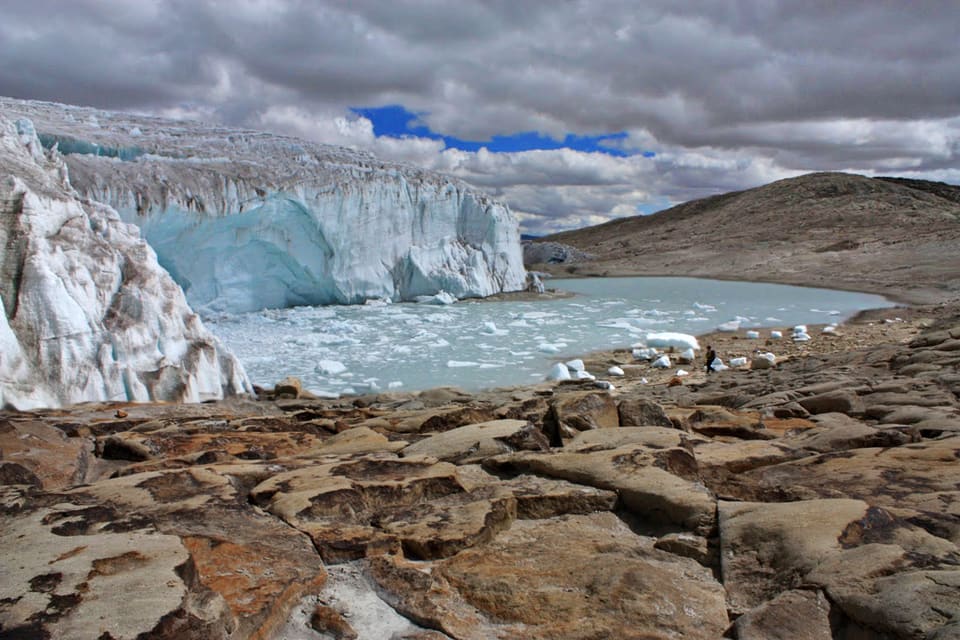
With climate change, cornices, snow mushrooms and seracs are increasingly fragile. Expect deep, unstable snow and assume what’s above you may collapse. Toralles saw a snowfield they’d spotted on the way in to Siula Grande gone by the time they came back. Normal routes are drier and often more dangerous, so some climbers choose harder ridges in better condition.
For loose snow, they fitted “alitas” (little wings) to their ice axes for better grip and carried small snowshoes.
Decide before you start
Their advice: plan carefully and be sure you want that line before setting off. On Yerupajá, reaching the ridge meant passing a point of no return, because downclimbing would have been very complicated.
And the good news: the Huayhuash sees few people, far fewer than the Himalaya, because there are no huts or helicopters.
Before heading that high, read what happens to your body above 3,000 metres.
Sources and references
This is original editorial content based on the sources cited. Spotted a mistake? Let us know and we will fix it under our corrections policy.