First ski descent of Meru Central's southwest face, in the Indian Himalaya
Before arriving they gave themselves a 3-in-10 chance. They found a way through the icefall and perfect snow up high.
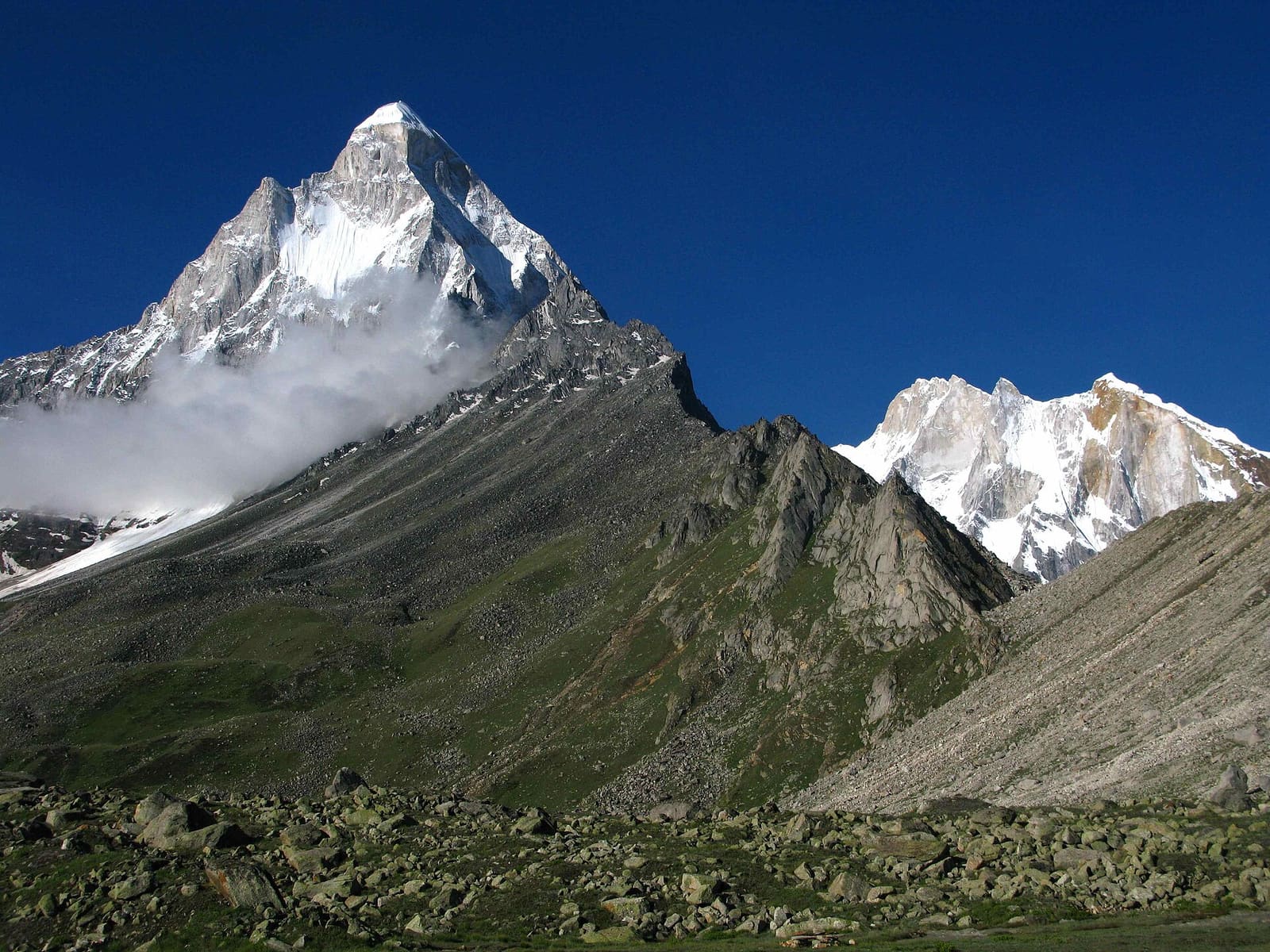
France’s Tiphaine Duperier and Boris Langenstein have made the first ski descent of the southwest face of Meru Central (6,310 m), in the Indian Himalaya.
A hard mountain
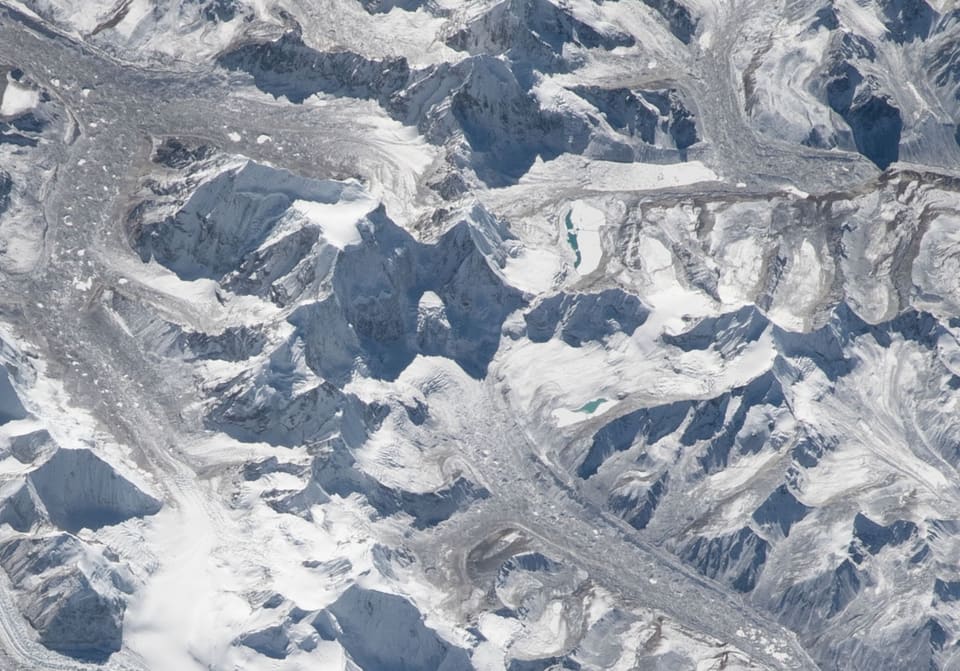
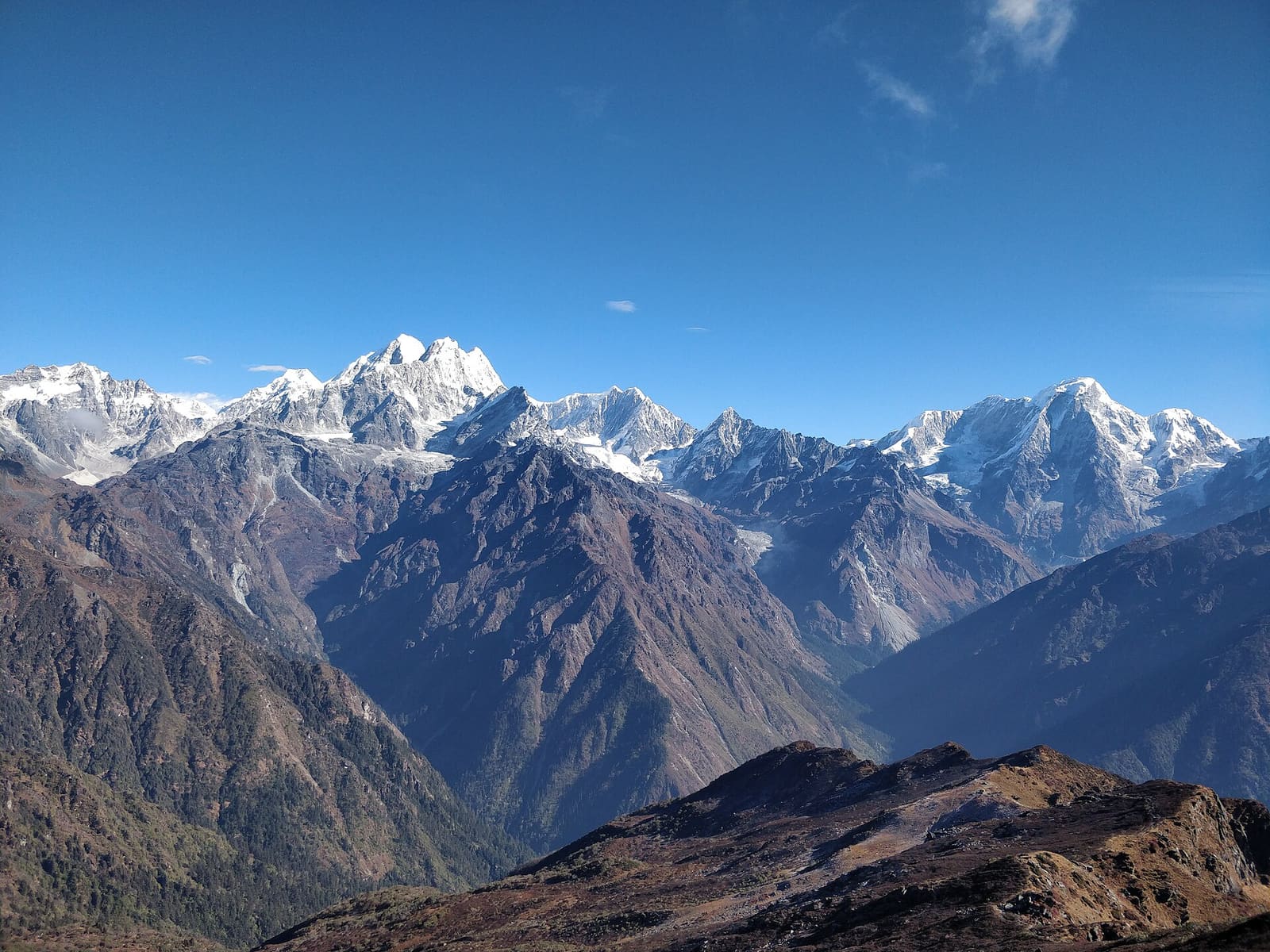
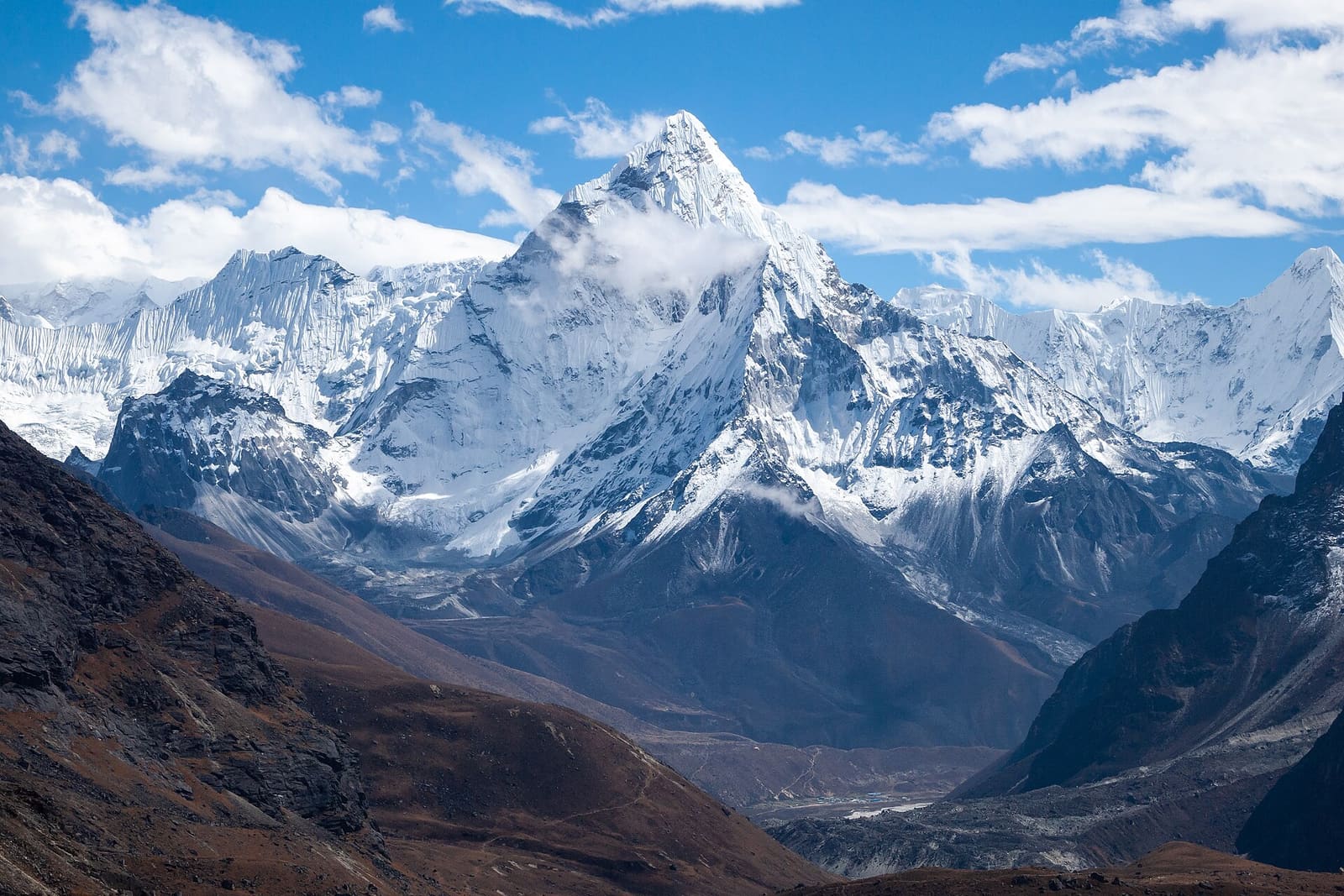
The Meru massif is in the Gangotri Glacier area (Garhwal), between Shivling and Thalay Sagar. It has three summits: Meru South (6,660 m), Meru North (6,450 m) and Central.
Before arriving, the pair reckoned they had a 3-in-10 chance of skiing that face. On other projects this autumn the snow had not cooperated.
Six days looking, three climbing
They spent six days studying the mountain and three climbing it. The hardest part was the icefall at the base: they found a way through, climbed a 15-metre ice pitch (WI4) and left a fixed rope. Then they climbed alpine-style and reached the summit in under eight hours.
According to their research, it is only the second ascent of that face. The first was by an Indian team in 2023.
1,500 metres on skis
They skied about 1,500 metres with sections of up to 50 degrees, on hard snow with good grip. The ski line had no rappels: they only rappelled the icefall, on the rope they had left. “It was just incredible, truly beautiful!” Duperier said.
The pair have already made history on Nanga Parbat: they climbed the Schell route on the Rupal Face alpine-style and skied from the summit. For that climb, Duperier has just received a Piolet d’Or, the same award won by the Spanish team on Yerupajá.
Sources and references
This is original editorial content based on the sources cited. Spotted a mistake? Let us know and we will fix it under our corrections policy.