First ski and snowboard descent of Dorje Lhakpa's south face (6,966 m)
Nick Russell, Adam Fabrikant and Billy Haas climbed alpine-style and came down the same line in an hour and a half. The south face was first climbed in 2021 by three Basque and Navarrese alpinists.
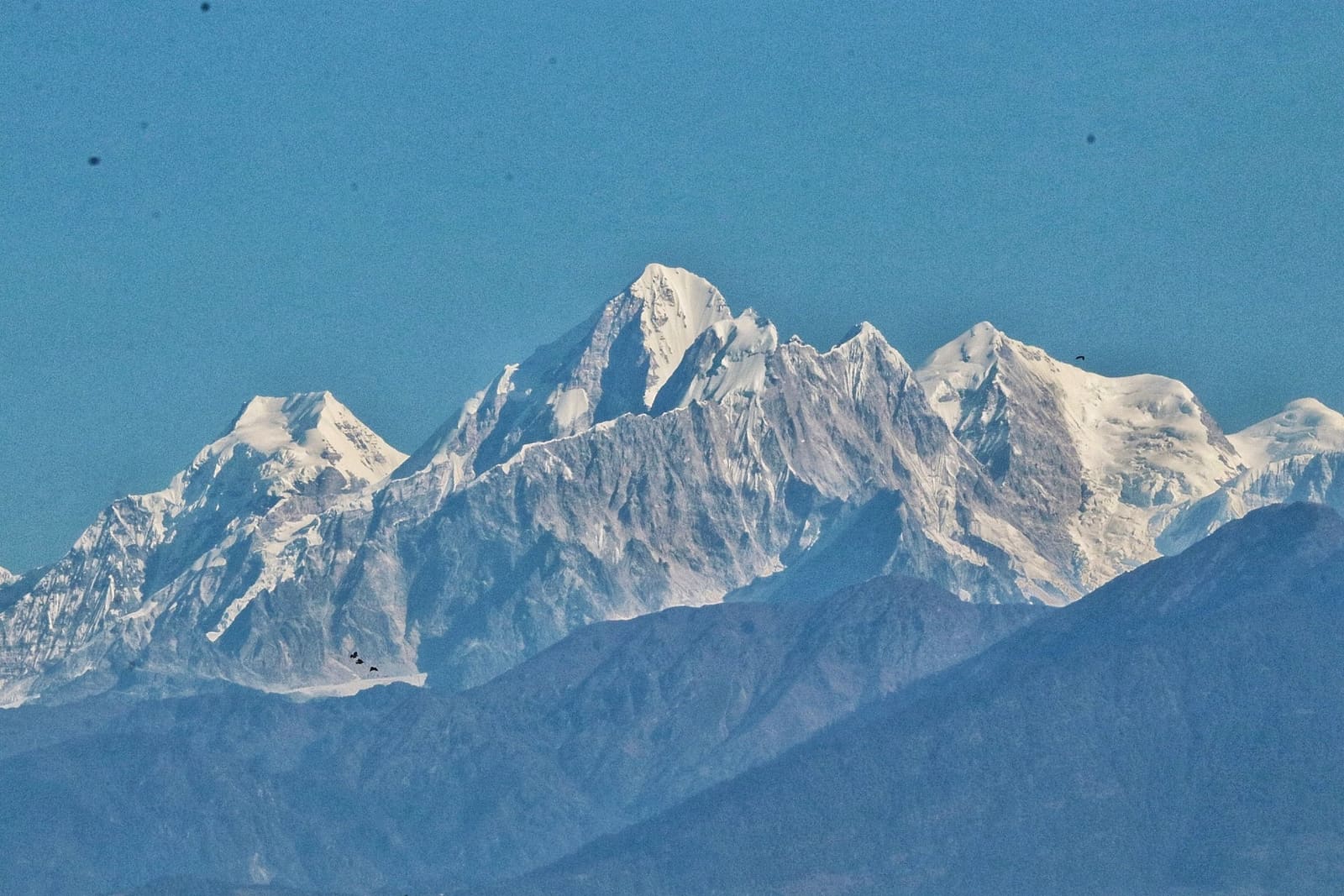
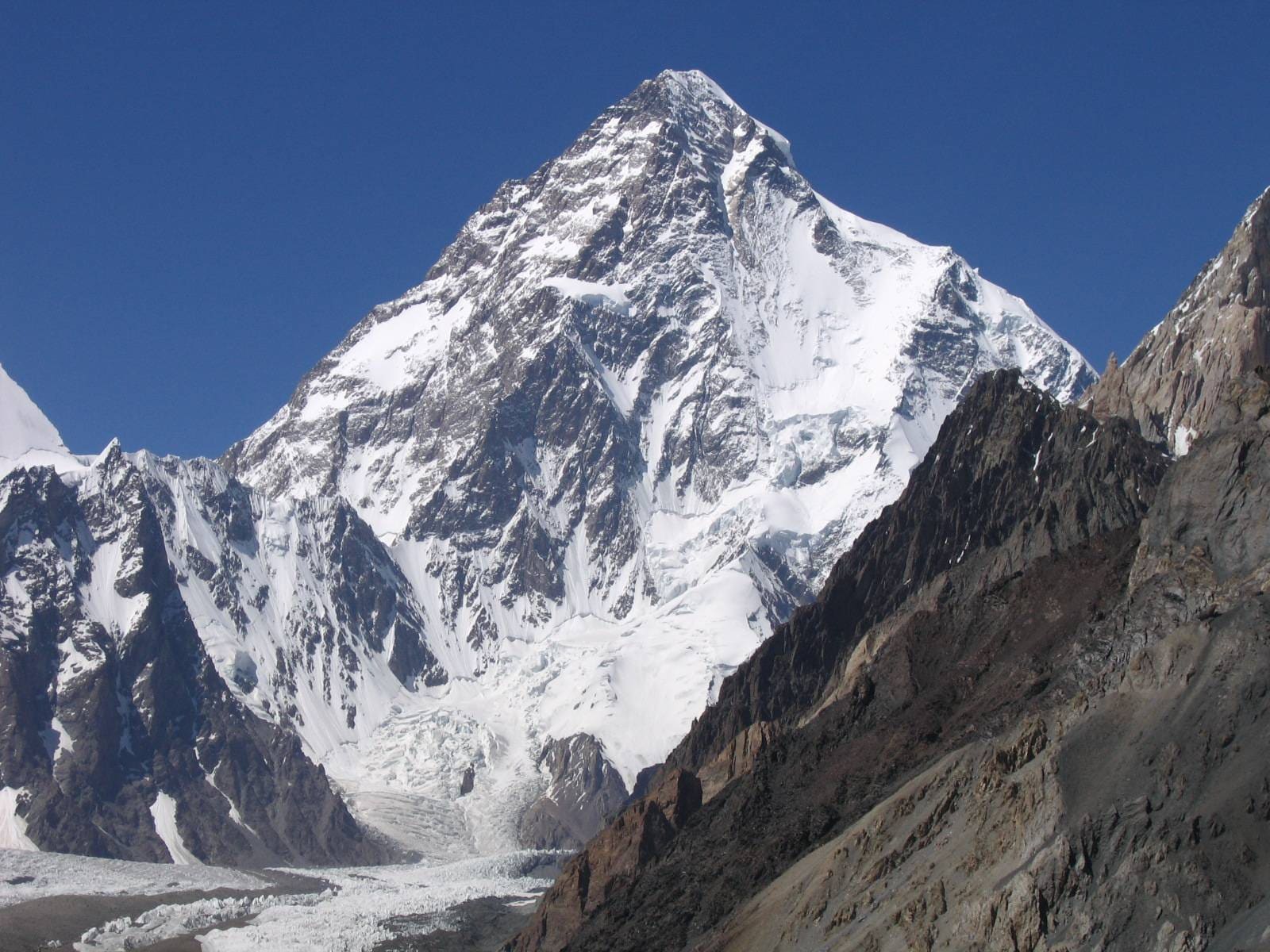
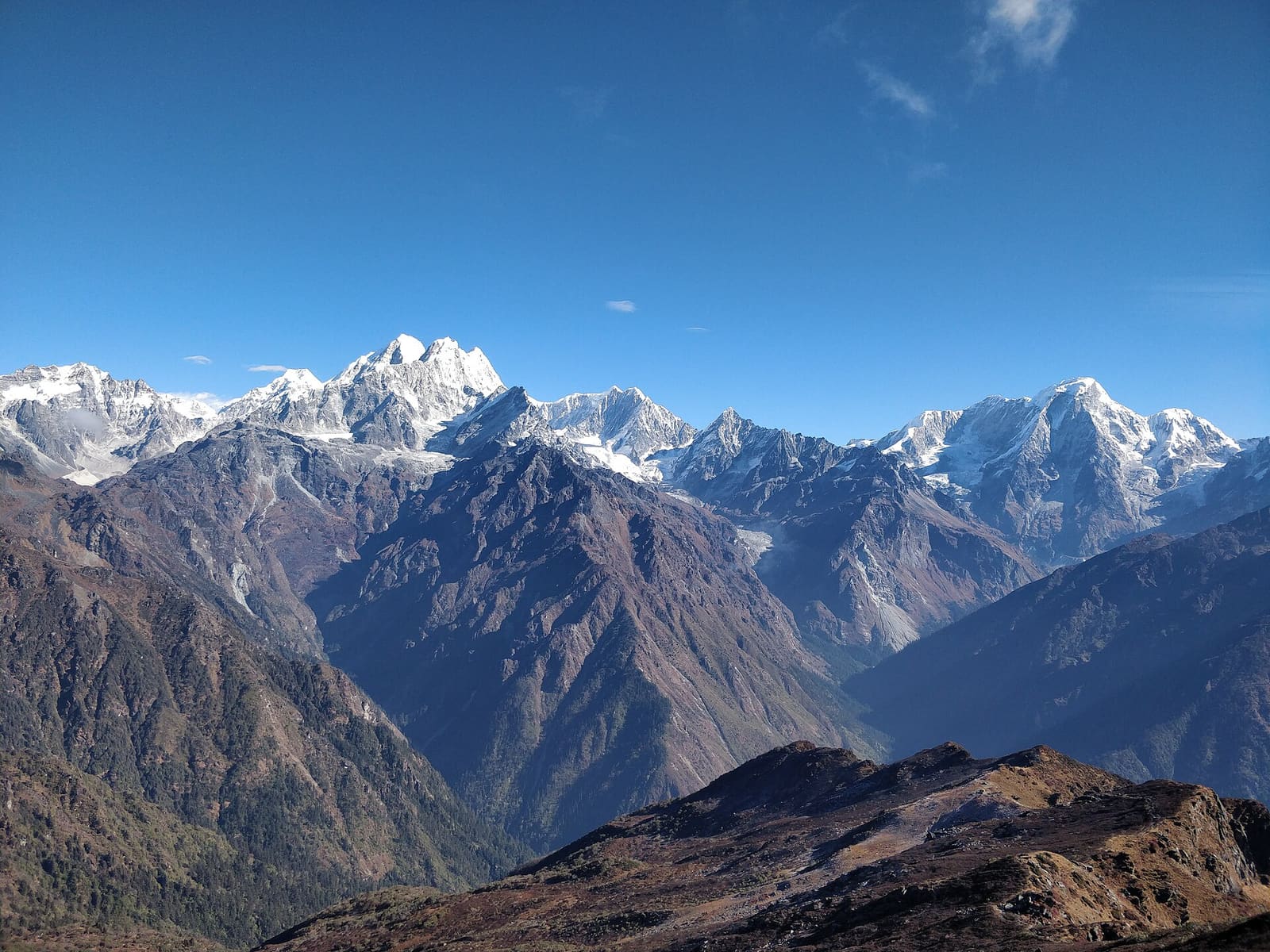
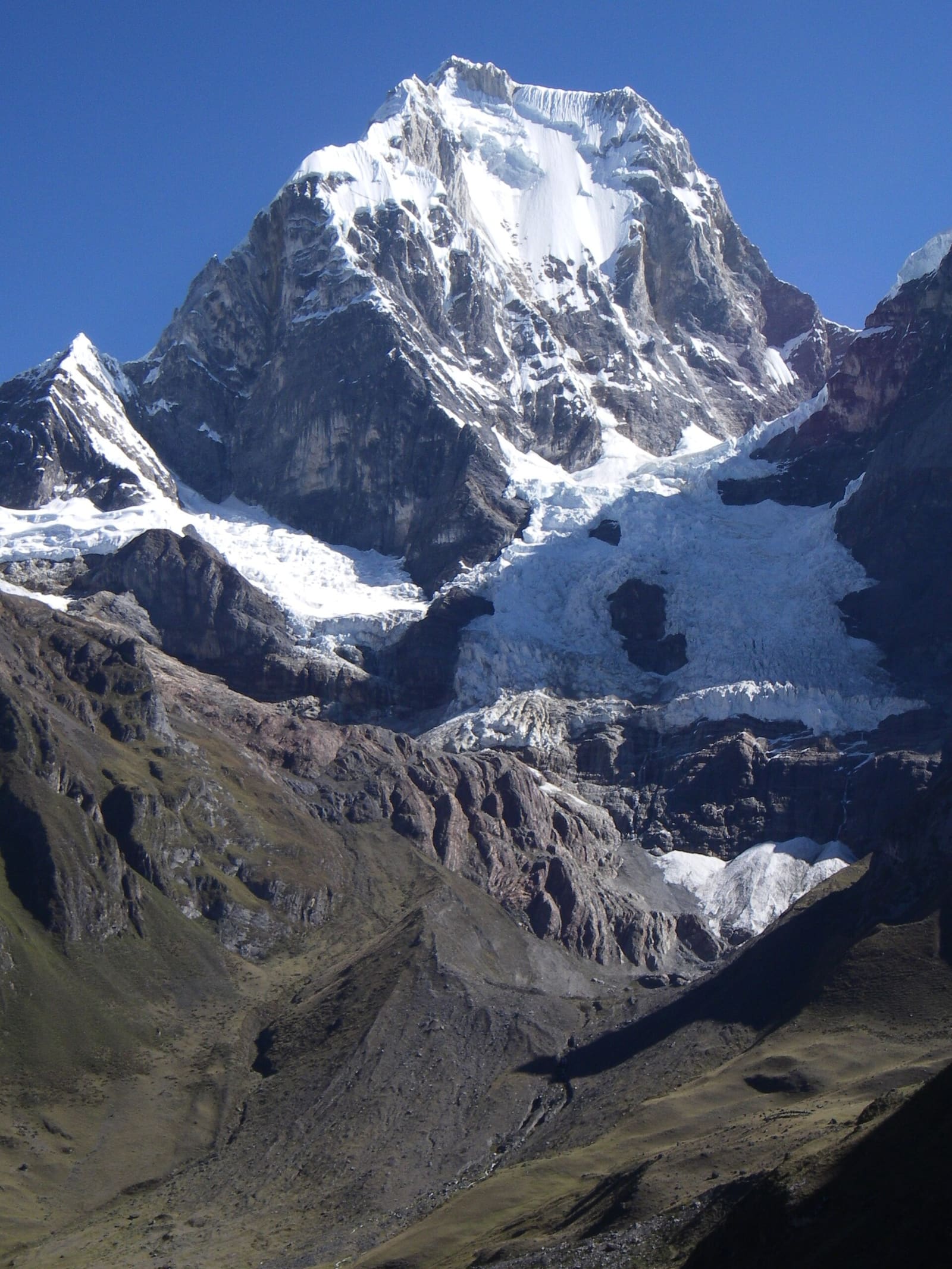
Skiing down a near-7,000-metre Himalayan peak remains one of the most extreme things you can do in the mountains. An American trio has just made the first snowboard and ski descent of the south face of Dorje Lhakpa (6,966 m), in Nepal’s Langtang region.
The team and the mountain
- Nick Russell (snowboard) and skiers Adam Fabrikant and Billy Haas, childhood friends who had already skied Gasherbrum I and II without oxygen.
- Photographer Blake Gordon and cinematographer Leo Hoorn filmed from high camp, helped by three Sherpa climbers.
Dorje Lhakpa, known as the “Langtang Pyramid”, already had history: in 1999 Marco Siffredi and Bertrand Delapierre snowboarded its west ridge, and the south face was first climbed in 2021 by Spanish alpinists Mikel Inoriza, Iker Madoz and Mikel Zabalza.
How they did it
- They reached base camp on 6 October. Several members caught COVID, delaying the attempt.
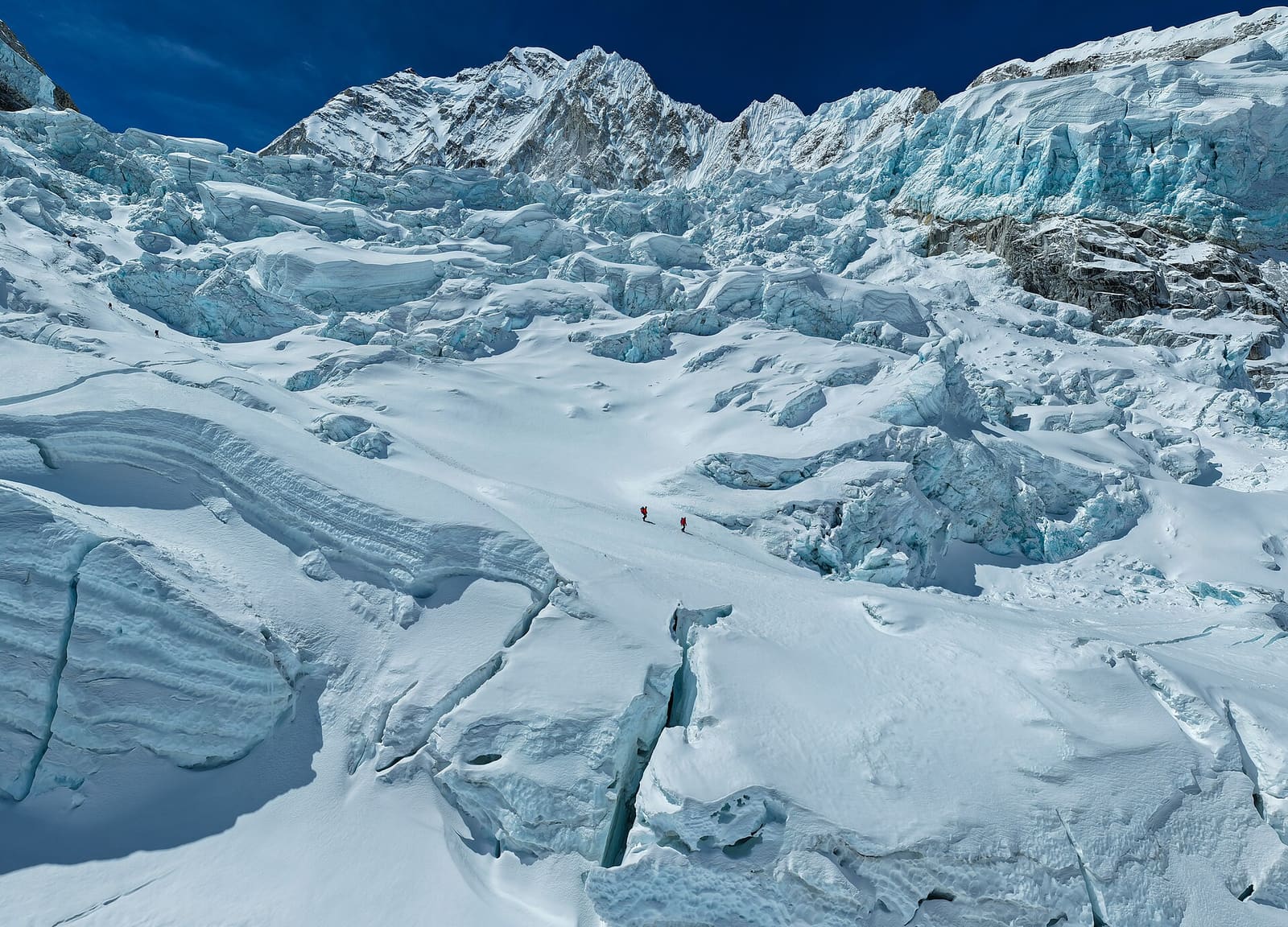
- They crossed an icefall to Camp 1 (4,900 m) and set up high camp at about 6,000 m.
- On 20 October they climbed alpine-style in about 7.5 hours, with two tools and crampons throughout, topping out around 1:30 pm.
- They descended the same line in about 90 minutes: sustained 45–50° slopes with sections of about 55°.
“The entire line was a no-fall zone,” said Russell: one slip would have been fatal. He called it “by far the heaviest line I’ve ever ridden.”
Interestingly, the cyclone that has disrupted other expeditions helped them: it left useful snow low on the face and allowed a clean descent. Read about its impact in Cyclone Arnab.
Wondering how the body copes at that altitude? We explain it in what happens to your body above 3,000 metres.
Sources and references
This is original editorial content based on the sources cited. Spotted a mistake? Let us know and we will fix it under our corrections policy.