China's mangroves recover and the birds return: from 148 to 397 species in two decades
China lost almost 70% of its mangroves between 1950 and 1990. Reserves and restored former fish ponds have turned that around.
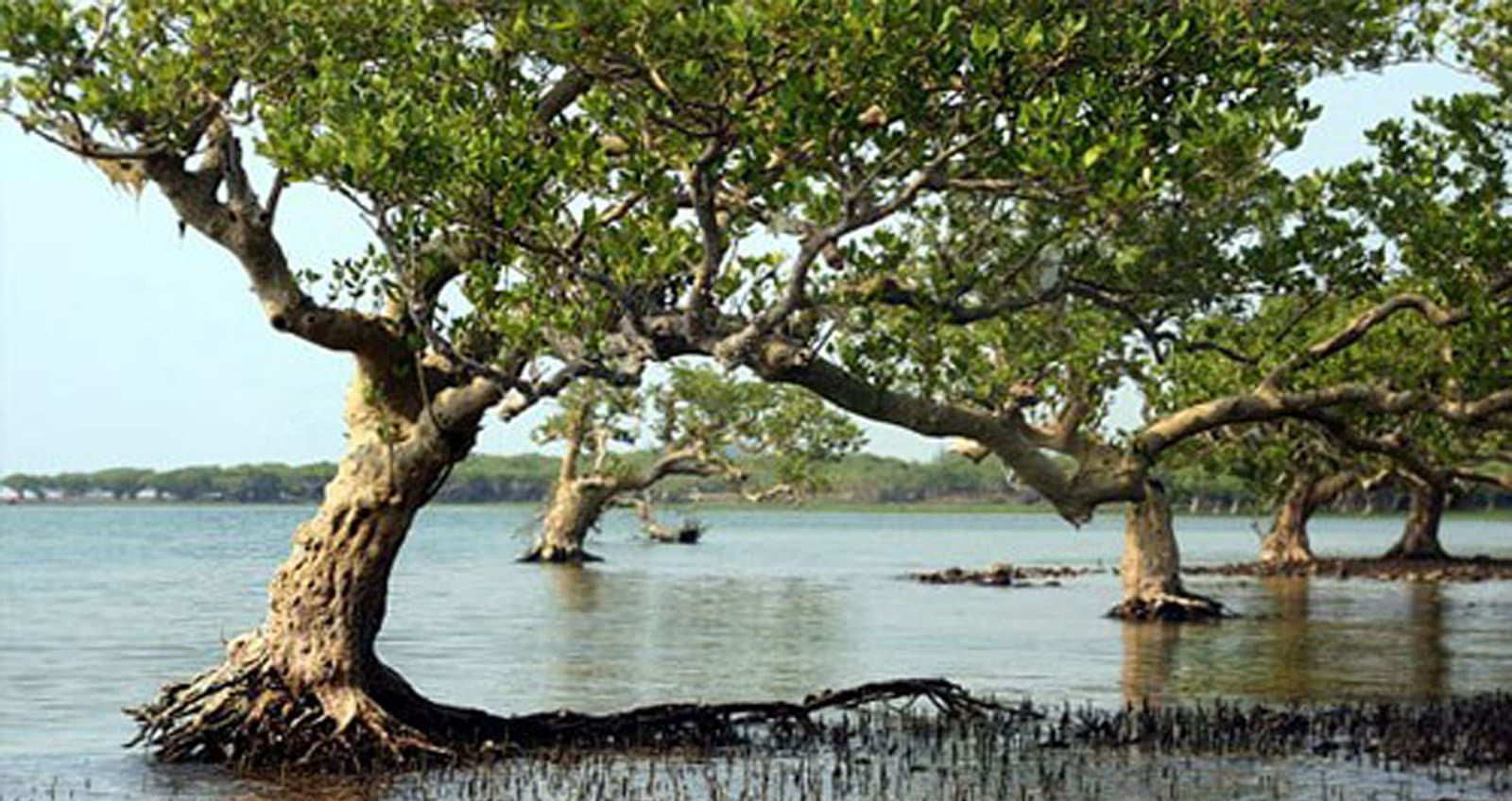
Good news from the coast of China: its mangroves, the forests that grow in salt water, have recovered. And the birds have come back with them.
Twice the mangroves
According to a study by Yang and colleagues published in The Innovation, China’s mangrove area more than doubled between 1998 and 2020. It’s a huge turnaround: between 1950 and 1990, the country had lost almost 70%.
The recovery came from nature reserves and restoration, including of former fish and shrimp ponds. The researchers think rising temperatures and rainfall also helped.
From 148 to 397 bird species
Over that time, bird species recorded in the mangroves rose from 148 to 397. Globally threatened species went from 11 to 21.
More forest means more places to nest and roost, and probably more fish and aquatic animals to eat. But there’s a catch: sandpipers and plovers may lose out, because they need exposed mud and open patches, and the forest is getting denser.
Worldwide too
It isn’t just China. A study published in Science in June suggests the world’s mangroves have been growing since about 2010, although the net gain since 1985 is modest: 477 km², 0.3% over forty years.
More green news this month: Bhutan wins the Earthshot Prize for keeping 70% of its land under forest.
Sources and references
This is original editorial content based on the sources cited. Spotted a mistake? Let us know and we will fix it under our corrections policy.