The paradox of seeking unclimbed peaks in western Nepal: should some stay unclimbed?
They made the first ascent of Daara Peak (5,337 m) above Yangchya Lake. And yet they argue not every summit should become an objective.
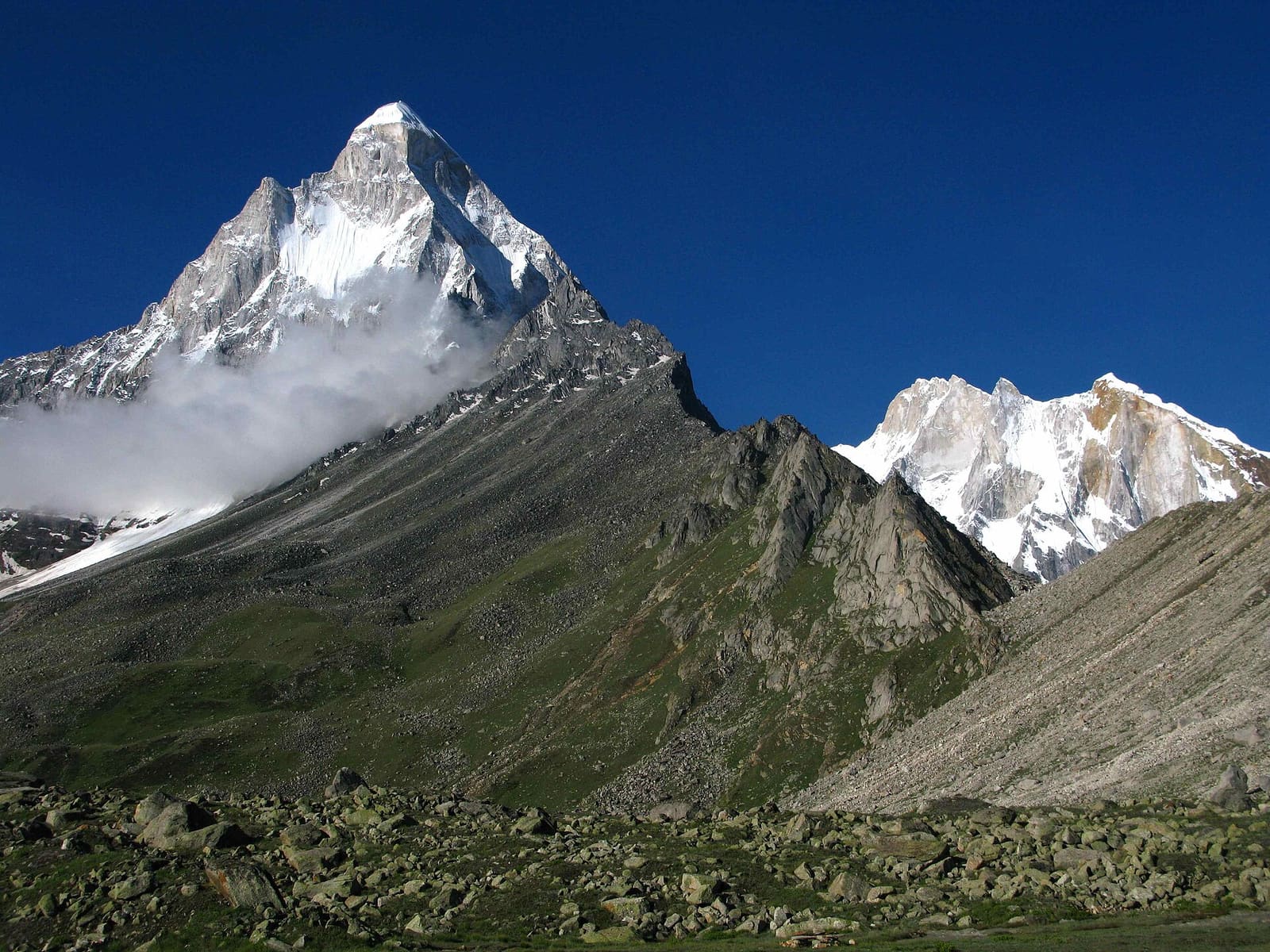
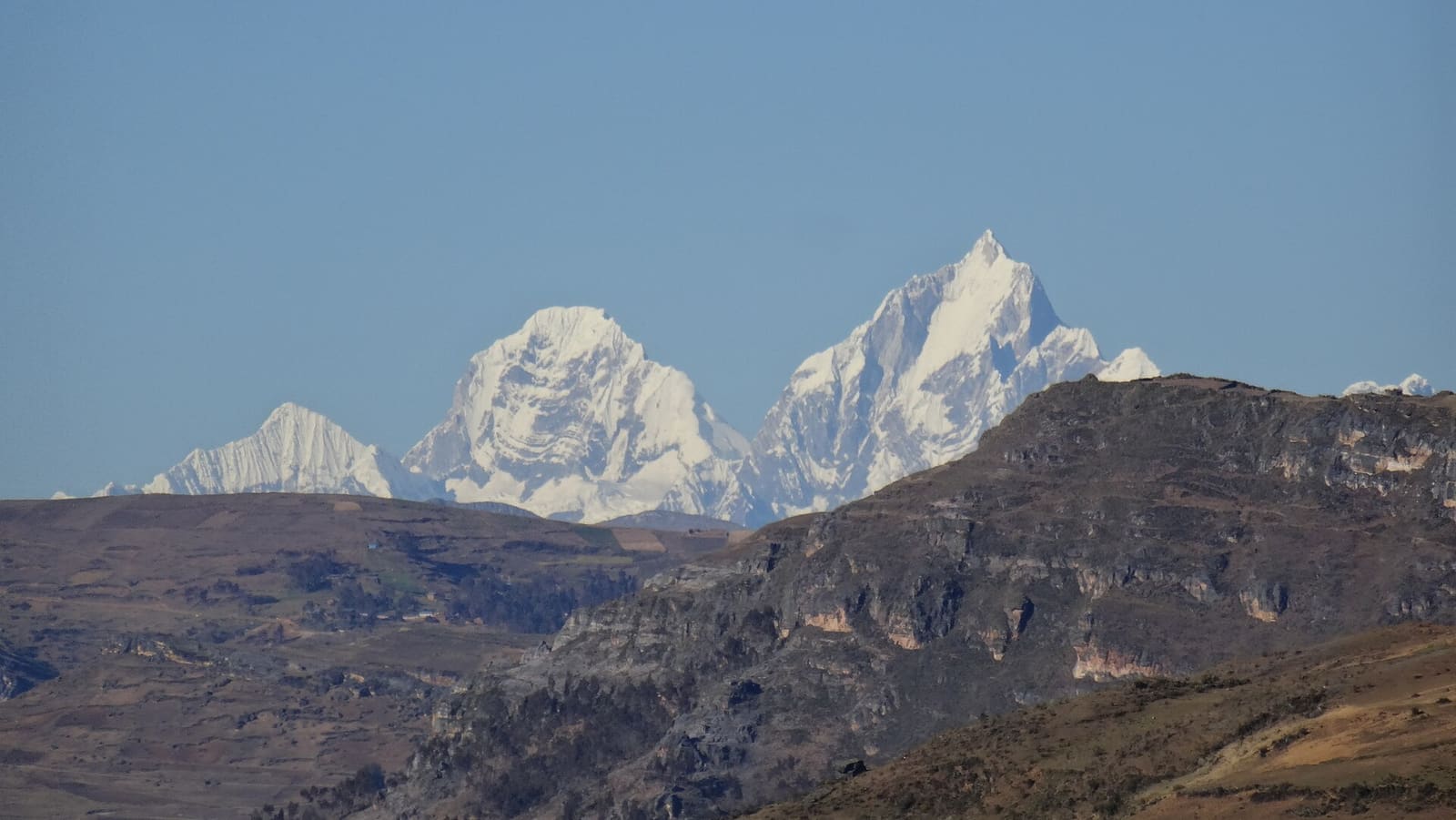
Some climbers flee the Everest queues and look for unclimbed peaks in Nepal’s most remote valleys. But what happens if lots of them do the same? That’s the paradox climber Strang raises in Explorersweb after his expedition to western Nepal this autumn.
Four conditions
Strang and his partner Kolbjornsgard were looking for a mountain that ticked four boxes:
- An apparently unclimbed peak above 6,000 metres.
- An aesthetic line.
- Manageable objective hazards.
- A relatively accessible approach for a small team.
A plan gone awry
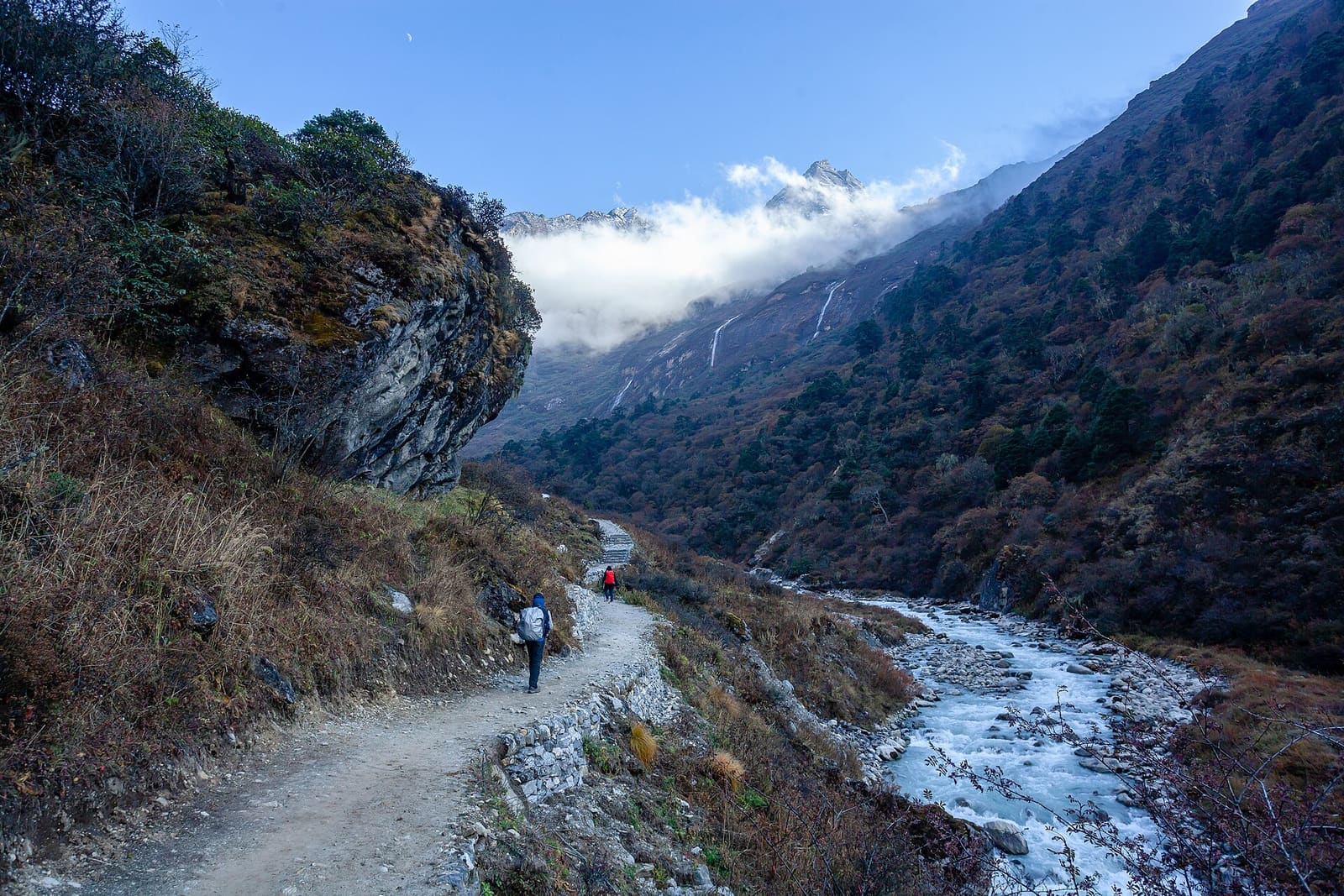
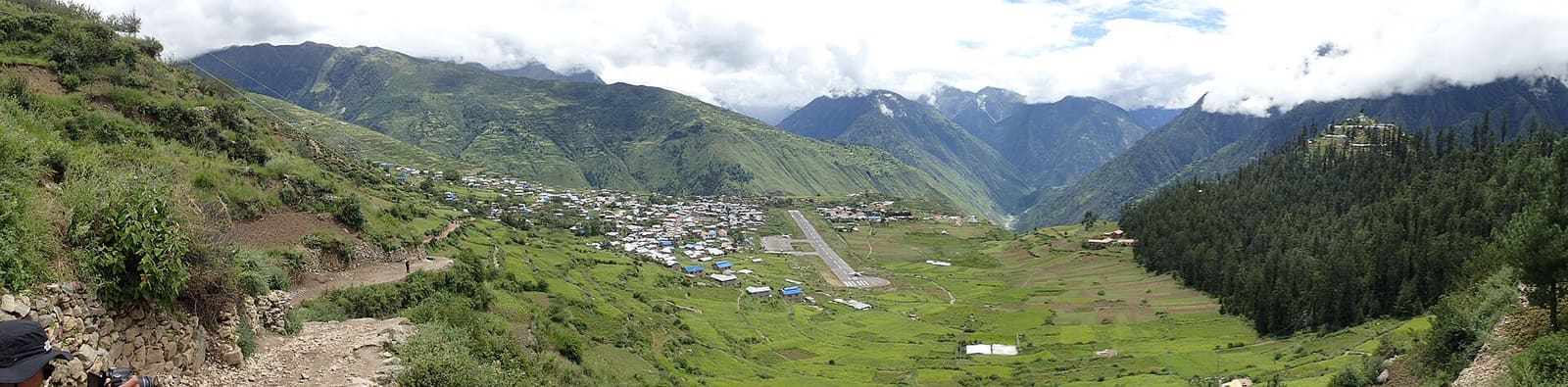
Their objective was in the Nyalu Lek area, north of Simikot (Humla). They couldn’t get there: the Nyalu La pass, at about 5,000 metres, was probably impassable, and landslides had damaged the road from Surkhet to Simikot.
They acclimatised on two unclimbed peaks of 5,177 and 5,227 metres. And on 18 October they made the first ascent of Daara Peak (5,337 m), above Yangchya Lake, via its northeast side: five pitches up to M6. The name is provisional.
In the same region, Britons Mick Fowler and Victor Saunders had to turn back on Peak 6010 because of snow, after drought stopped them in 2025.
Not everything should be an objective
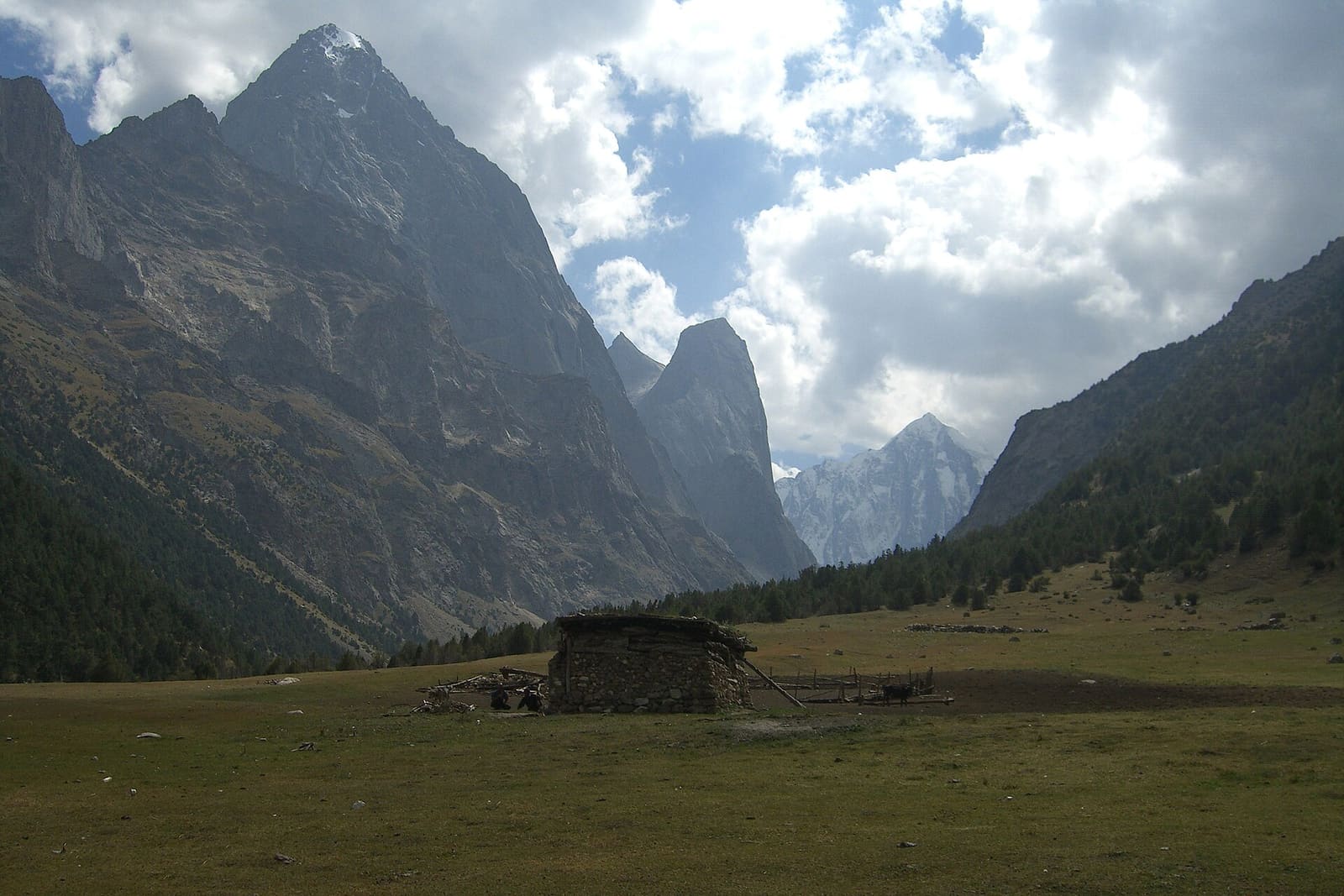
Strang doesn’t want to ban access to these valleys, but he believes some summits should stay unclimbed. He loved the silence: “No helicopters. No voices from a fixed-rope queue.” And he concludes that “future generations deserve to inherit mountains that have not all been reduced to objectives”.
Meanwhile, in eastern Nepal, Kobusch is preparing on Lhotse Shar for winter Everest.
Sources and references
This is original editorial content based on the sources cited. Spotted a mistake? Let us know and we will fix it under our corrections policy.